

Our Blog
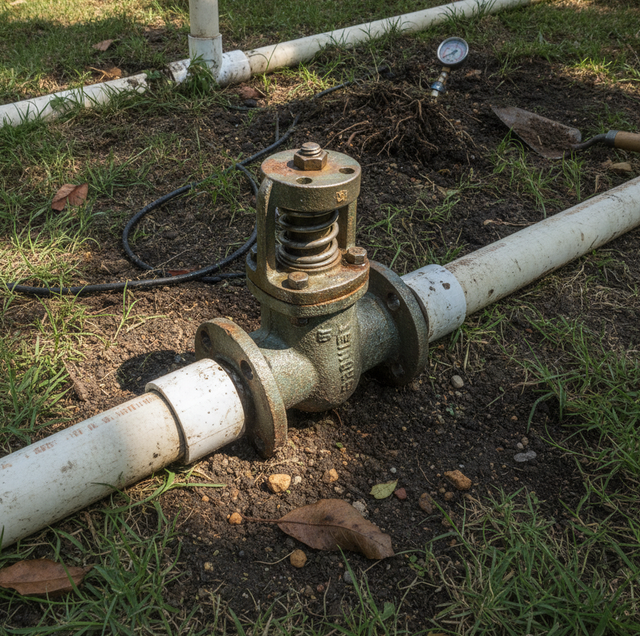
Why Won't My Irrigation Pump Prime or Hold Pressure? What to Check
You flip the switch, the motor spins up with that familiar whir, and then nothing. No rush of water, no zones popping up, just a pump running against itself and getting warm. Or maybe it does catch, the gauge climbs for a few seconds, and then the pressure sags back to nothing while the pump keeps hunting for water that never arrives.
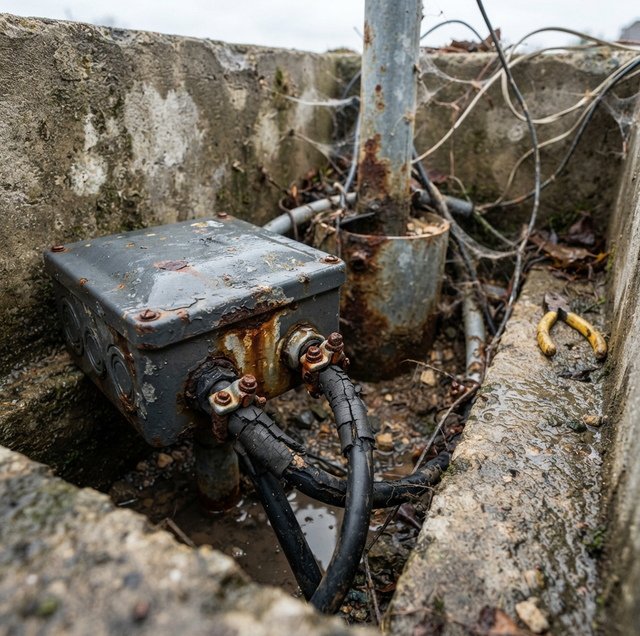
Well Pump Tripping the Breaker? What Actually Fails First
You flip the breaker back and the pump runs, sometimes for a few seconds, sometimes for a few minutes, and then the whole panel clicks off again. Maybe it happens the moment the pump tries to start. Maybe it takes a few minutes of running first. Either way, you have now reset that breaker three or four times, and part of you wonders if it will just keep doing this forever, or if the next reset is the one that starts a fire in the panel.
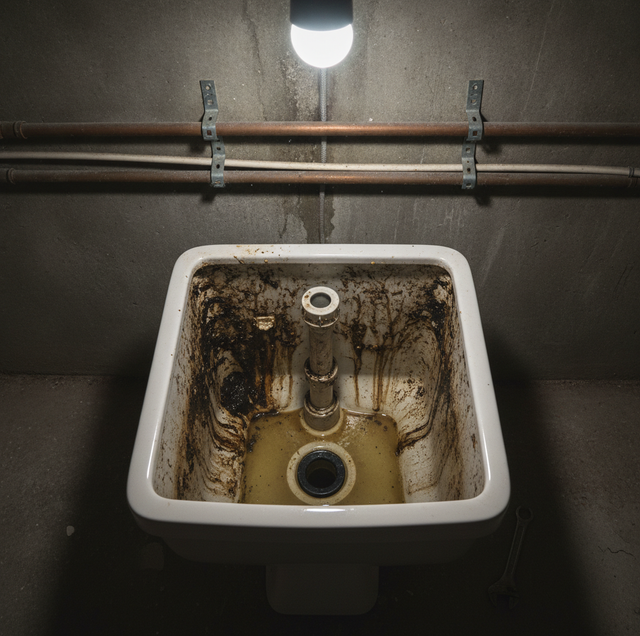
Why Does My Well Water Smell Like Sulfur?
You turn on the tap and the smell hits first, that unmistakable rotten-egg odor coming off your well water. It is unpleasant, and it makes you wonder whether the water is safe. The smell almost always comes from one thing, hydrogen sulfide gas, and figuring out where that gas is coming from tells you how to get rid of it. A few simple observations at the tap can point you to the source before anyone opens up the system.
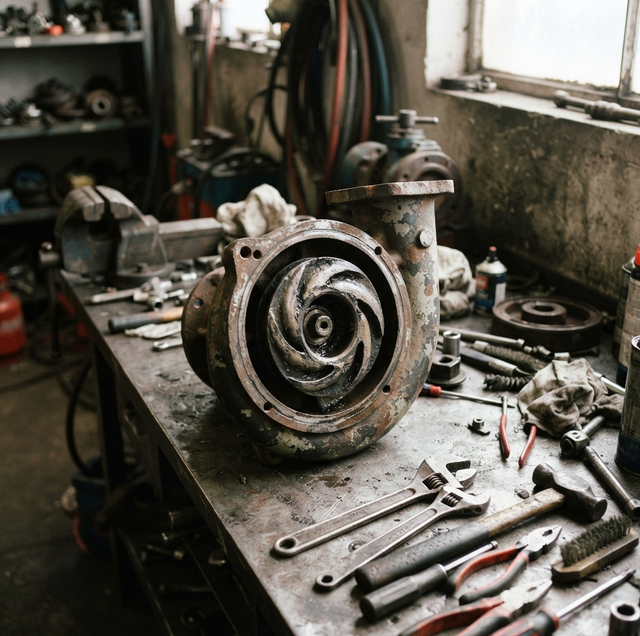
Why a Centrifugal Pump Loses Flow or Pressure Over Time
A property manager or maintenance lead running a community irrigation loop, a commercial transfer setup, or a continuous industrial process line notices something slower to catch than an outright failure: the pump never actually stopped working, but the output it delivers today is noticeably weaker than it was a few months ago. Flow that used to fill a zone or a tank in a set amount of time now takes longer, and pressure at the gauge reads lower than it used to under the same conditions. Nothing broke all at once. It just quietly got worse.
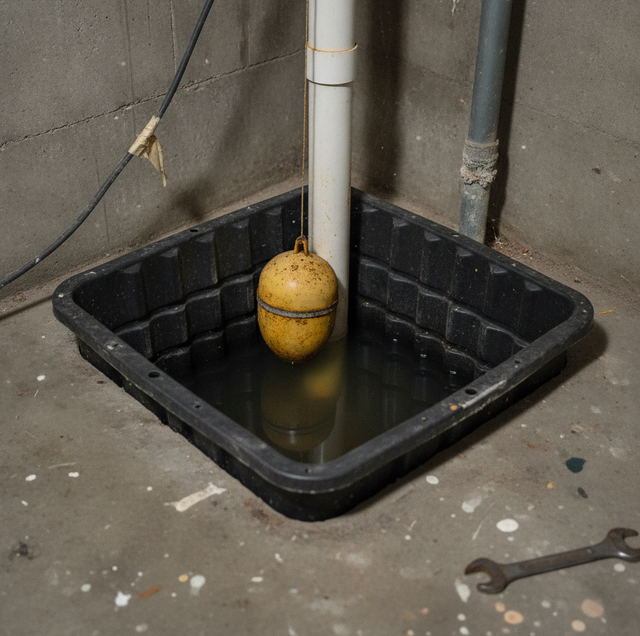
Sump or Transfer Pump Won't Turn On? Where to Start
A sump or transfer pump that will not start is almost always one of a short list of things, and most of them are not the motor. That is the useful fact to hold onto when the water is rising, and the pump sits silent: far more often than a burned-out motor, the fault is power that is not reaching the pump, a float switch that never tells it to run, a safety device that has tripped, or something jammed in the way. Those are the cheap failures, and most can be found in a few minutes. The motor is the last suspect on the list, not the first, which is exactly why it pays to work the list in order instead of assuming the worst.
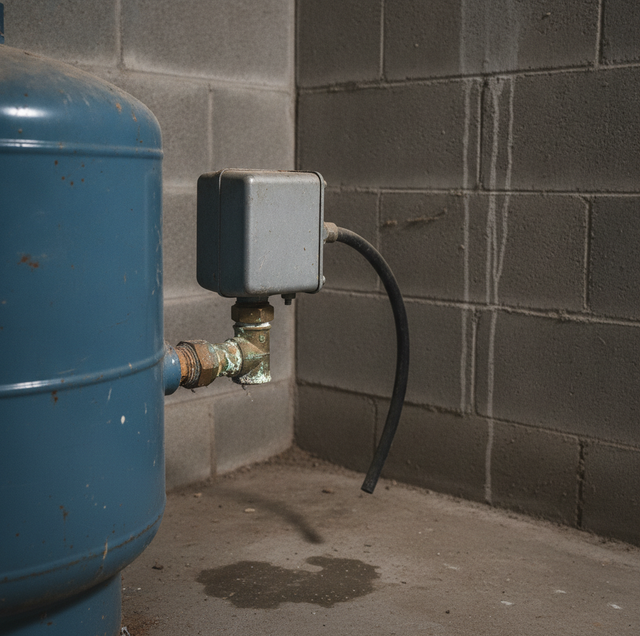
Why Does My Well Pump Run Constantly? 7 Causes to Check
A healthy well pump works in short bursts. It kicks on to refill the pressure tank, builds pressure until it hits a set number, then shuts off and rests. When the pump never rests, one of two things is true: it can't reach the pressure it's supposed to shut off at, or something keeps calling for water and draining that pressure as fast as the pump can make it. Either way, the motor is running when it should be resting, and that is worth chasing down quickly.
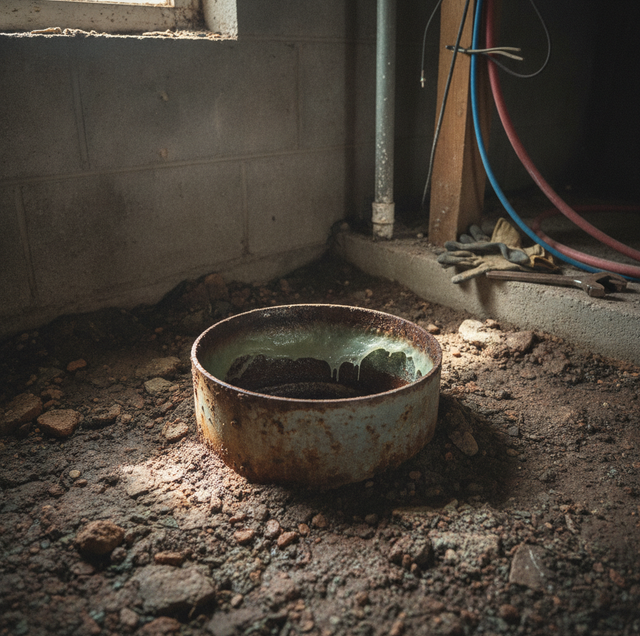
Well Water That Smells Like Rotten Eggs? What the Gas Means
The rotten-egg smell at your tap is not coming from the water. It is a gas. Hydrogen sulfide dissolves in underground water, remains invisible and under pressure, and breaks free into the air the instant the flow hits your sink or showerhead. Your nose is remarkably good at catching it: a few parts per billion, far below any level you could taste, is enough to fill a bathroom with that struck-match, boiled-egg odor. So the first thing to understand is that you are smelling a gas escaping the water, not something floating in it.
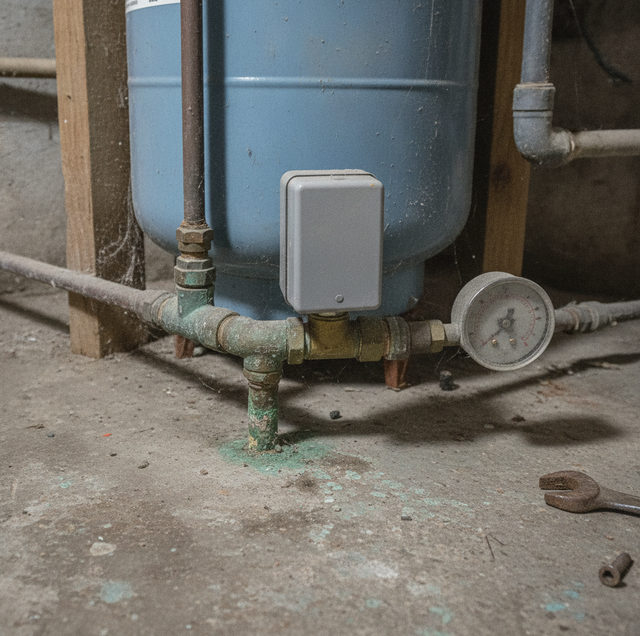
Well Pump Clicking On and Off? Why It Short Cycles
You crack the kitchen tap for a glass of water, and you hear it start up under the house or out in the well room: click, hum, click. The pump kicks on, runs for two or three seconds, snaps off, and a breath later kicks on again. On, off, on, off, faster than any pump should ever cycle. You have not changed a thing about how you use water, but the whole system sounds like it is stuttering.
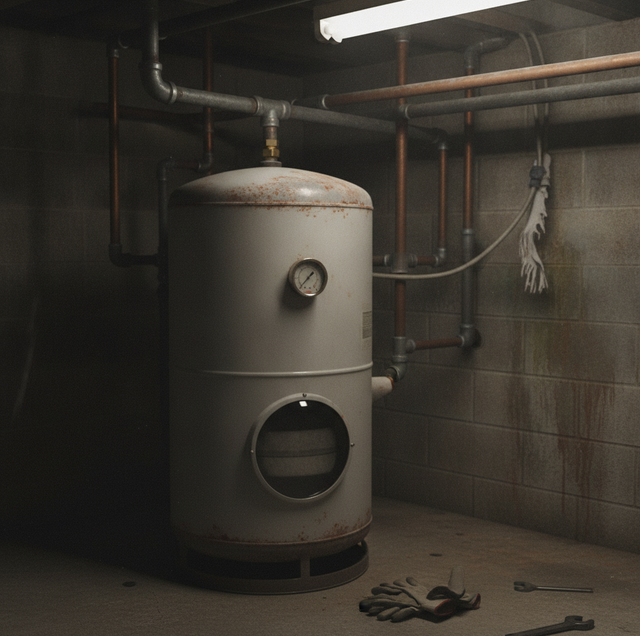
Why Your Well Pressure Tank Keeps Losing Air (and Wrecking the Pump)
Your well pump kicks on, runs for a couple of seconds, shuts off, then fires right back up the moment you crack a faucet. The pressure gauge jumps around, the water spits, and something near the tank keeps thumping. That rapid on-off pattern almost always traces back to one thing: the pressure tank has lost its air charge.
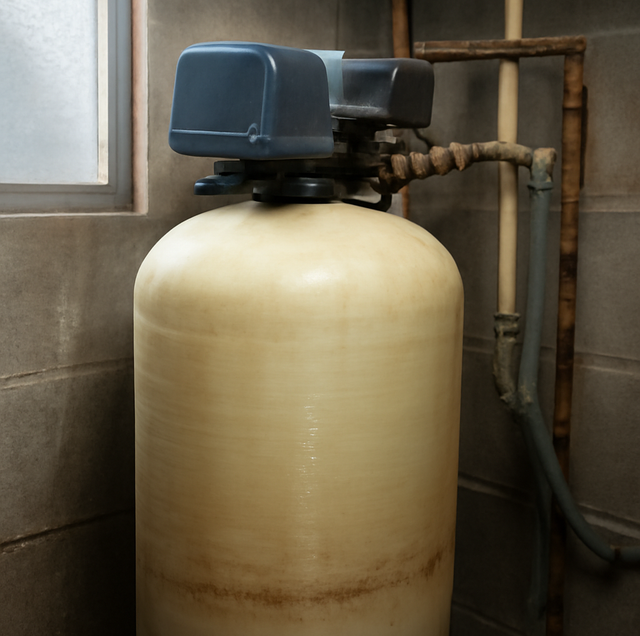
6 Signs Your Water Softener Has Stopped Working
It is easy to assume that when hardness symptoms come back- spotty glasses, a filmy soap scum ring, scale creeping up the showerhead again- the whole softener has worn out and needs to be hauled to the curb. That assumption is usually wrong. A softener that is still humming along, still cycling on schedule, can be doing almost nothing useful inside, and the fix is often something a technician clears in one visit rather than a full replacement.
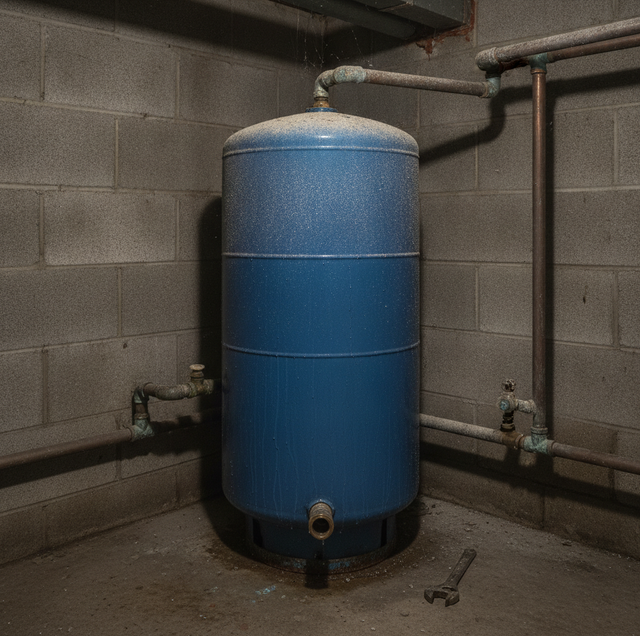
Signs Your Well Pressure Tank Is Waterlogged, Not the Pump
When a well system starts acting up, the pump gets the blame almost every time. The pump is the part people know by name, it costs the most, and it is the thing that makes the noise. So when the water pressure gets jumpy, or the motor seems to run more than it should, the pump is the first thing on the chopping block. Plenty of good pumps get pulled from the well and replaced over a problem they never had.
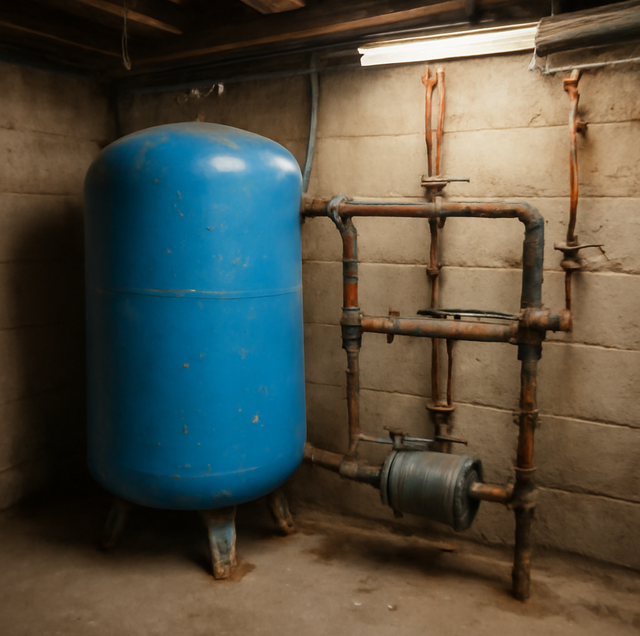
Constant Pressure System or Bigger Tank? How to Decide
Two showers running at the same time as a load in the washing machine, and pressure at every one of those fixtures visibly drops. An irrigation zone kicking on can do the same thing to pressure indoors. Whether a bigger pressure tank or a different kind of pressure system altogether actually fixes that depends on which of two very different problems is causing it, and standing at the faucet, they feel identical.
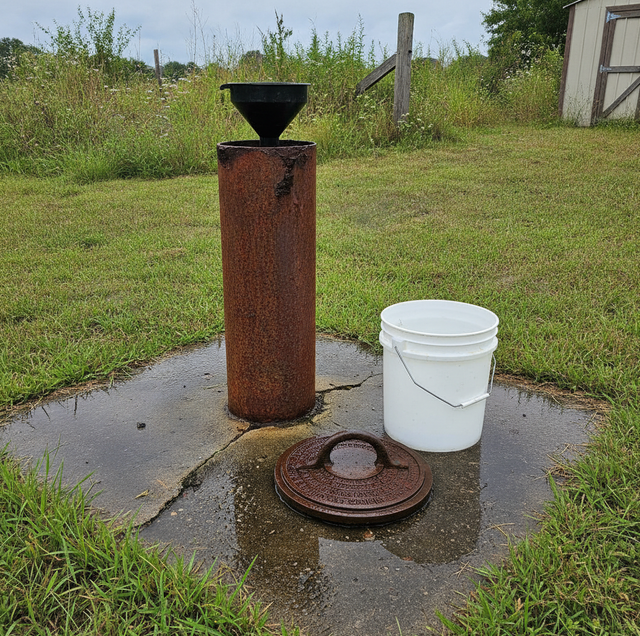
What Is Well Chlorination? The Fix for a Bad Bacteria Test
If your well water suddenly smells like rotten eggs, or a lab test came back positive for bacteria, you have probably heard the phrase "shock the well." Well, chlorination is the process behind that phrase, and it is one of the most common fixes for a private well that has gone off. It is also widely misunderstood. Plenty of homeowners run through the routine, drink the water again, and are surprised when the same smell or the same bad test comes back a few weeks later.
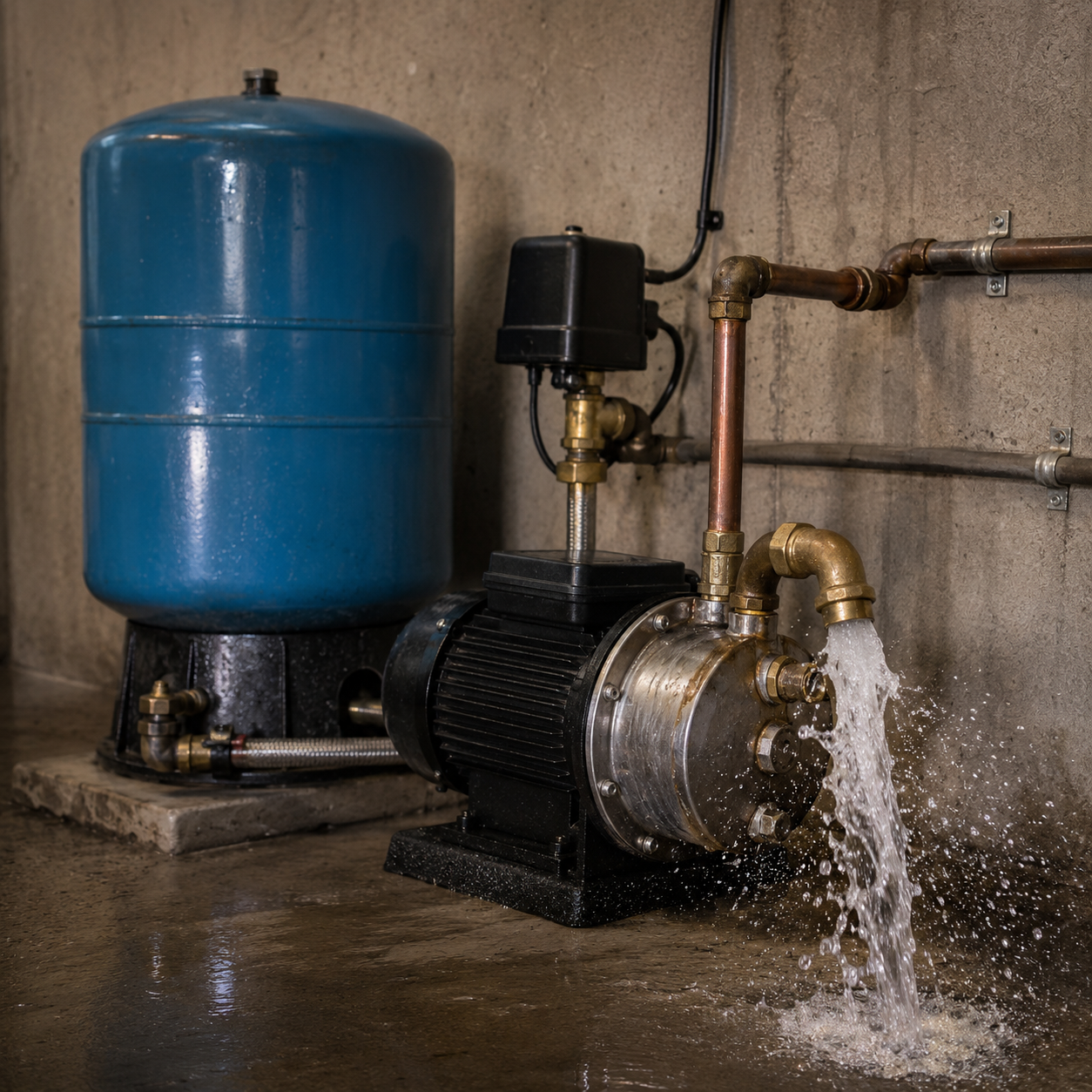
Well Pump Short Cycling? Why It’s Burning Itself Out
You're standing near the well equipment, and you hear it: the pump clicks on, runs for a couple of seconds, clicks off, and a moment later does it again. On, off, on, off — like a heartbeat that's racing. That rapid on-off pattern is called short cycling, and while it might seem minor, it's quietly destroying your pump. The good news is that the cause is usually a single, very fixable component.
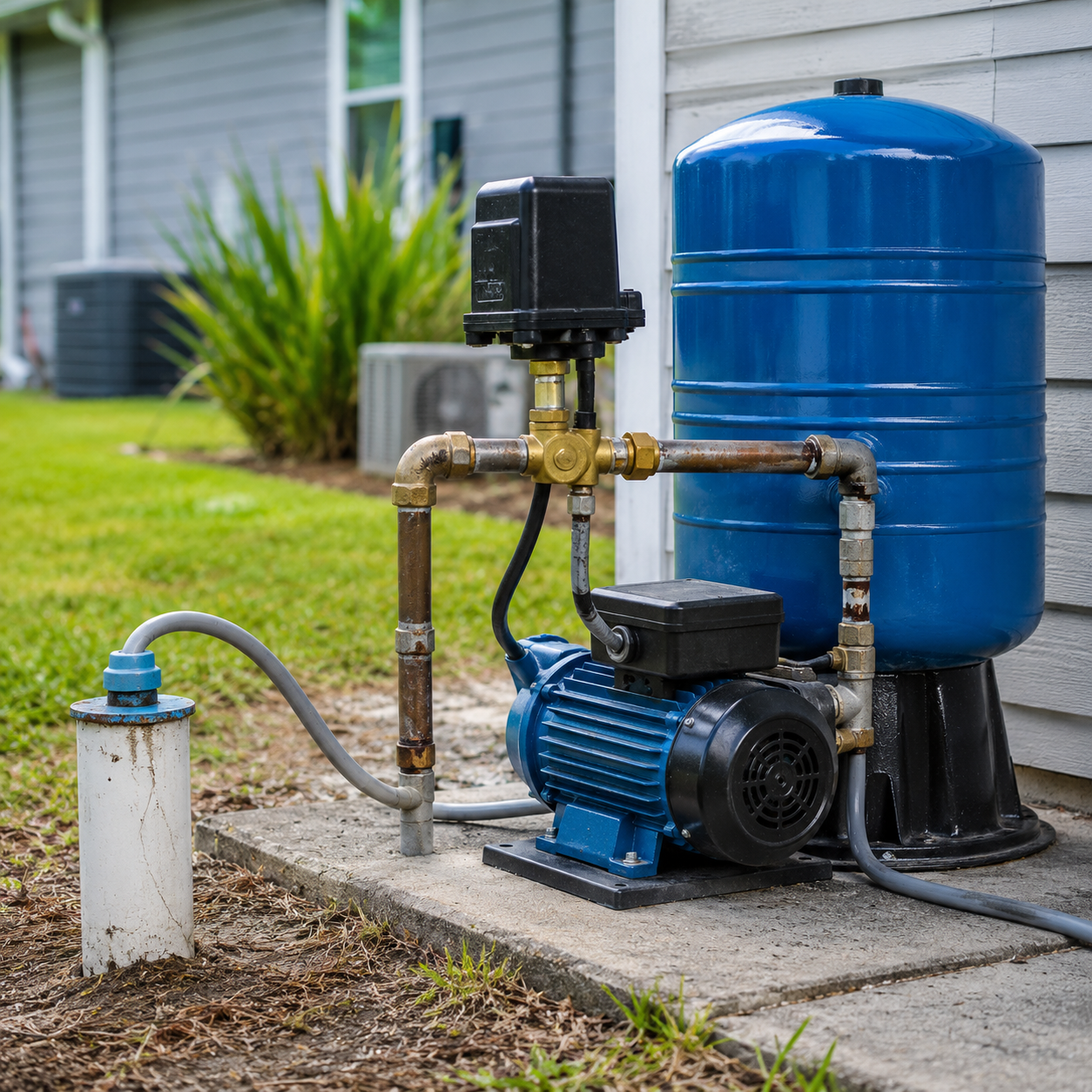
Why Your Well Suddenly Stopped Producing Water
You turn on the tap and get a sputter, then nothing. No shower, no toilet, no kitchen sink — when a well quits, the whole house goes dry at once, and it feels like an emergency because it is one. The reassuring part is that a well system has a short list of failure points, and the most common ones are also the easiest to check. Working through them in the right order tells you fast whether it's a simple reset or a real repair.
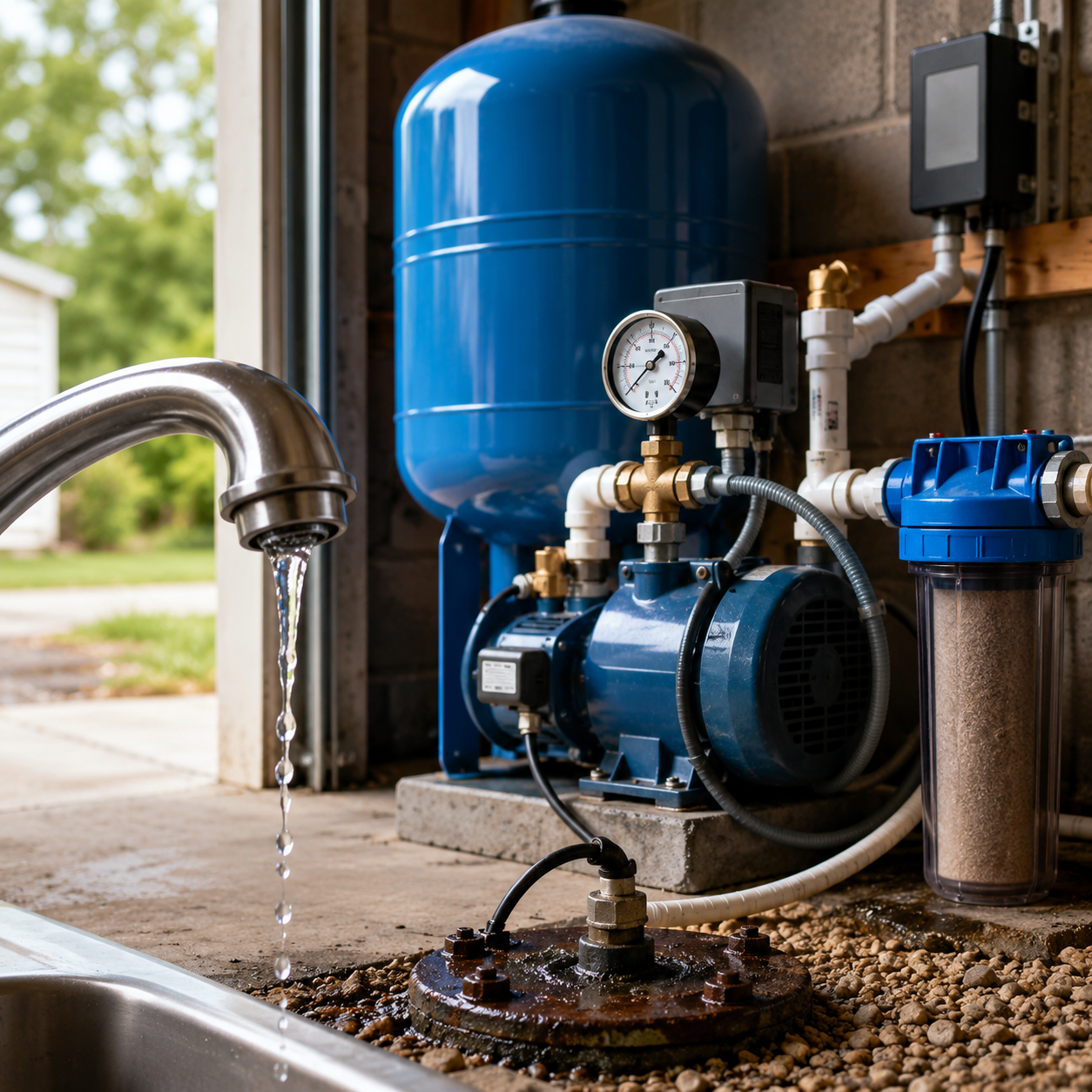
Low Water Pressure on a Well? Tracing the Cause
The shower that used to have real force now dribbles, the washing machine takes forever to fill, and two fixtures running at once means neither gets much. Low water pressure on a well is one of the most common complaints homeowners have, and it's frustrating because the cause isn't obvious from the tap. The pressure you feel at a fixture is the end result of a whole system working together, so weak pressure means something along that path is falling short. Tracing the path finds the problem.
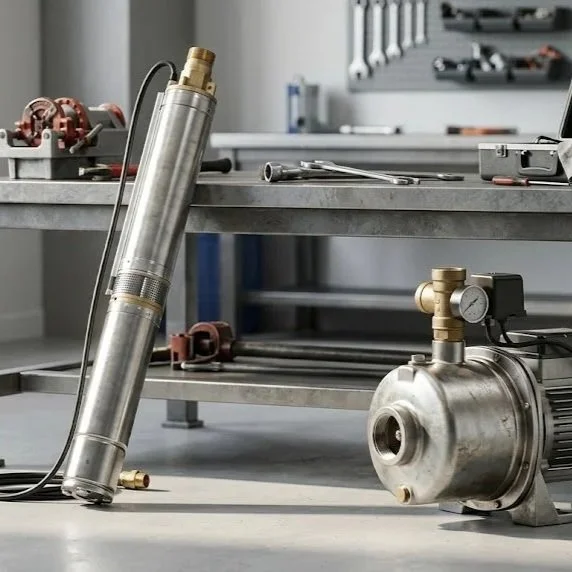
Submersible vs Centrifugal: Which Pump Does Your Well Use?
When something goes wrong with your well, one of the first useful things to know is what kind of pump you have — because submersible and centrifugal pumps work in fundamentally different ways, fail differently, and get serviced differently. Many homeowners have no idea which type sits on their property, and that's understandable: one of them is completely out of sight. Sorting out the difference helps you understand your system and have a smarter conversation when you need service.
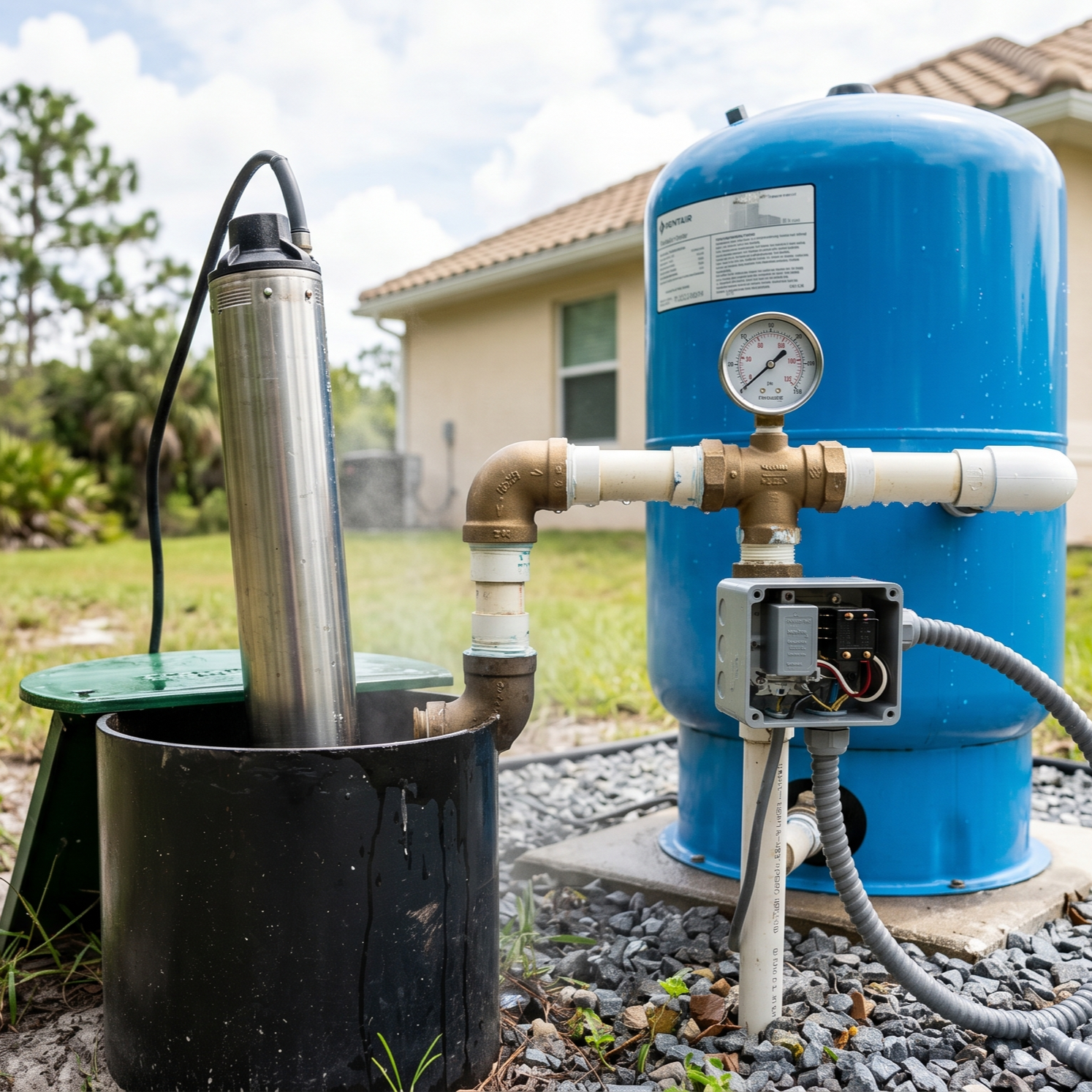
7 Signs Your Well Pump Is Failing in Central Florida
Most homeowners don't think about their well pump until the day it stops, but it almost always drops hints first. The taps start spitting air, the pressure isn't what it used to be, and the pump seems to run all the time. These aren't quirks to live with — they're a pump telling you it's wearing out. Reading the signs early is the difference between scheduling a repair and waking up to a house with no water.
Installation Benefits Of High-Efficiency Water Softening Systems
Enter high-efficiency water softeners—the less flashy but infinitely more helpful cousins of old-school softening units.
Comparing Distillation Systems to Other Water Treatment Methods
From heavy metals to chlorine byproducts to microbial stowaways, tap water often carries more than hydration.