Well Abandonment: What It Is and When It’s Required
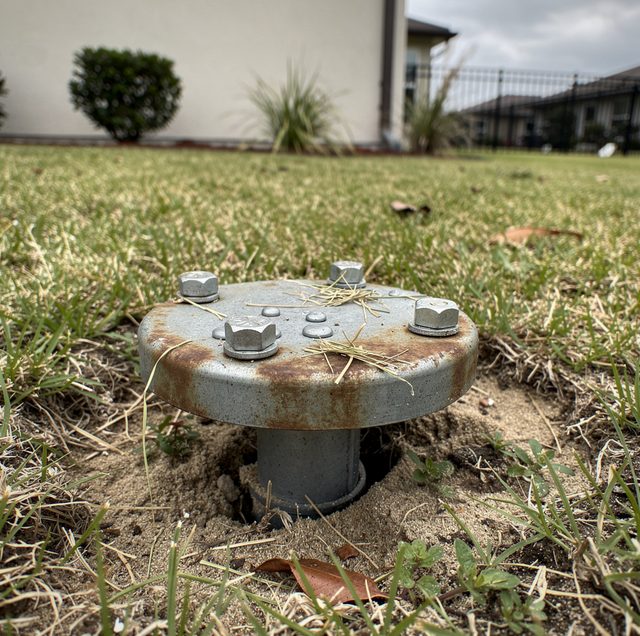
A capped well and a properly abandoned well can look identical from the surface: a pipe stub a few inches above grade, maybe a cap bolted over the opening. Below ground, they're nothing alike. A cap alone still leaves an open or improperly sealed well shaft as a direct pathway connecting the surface to groundwater, and that pathway works in both directions: surface contaminants like fertilizer runoff, bacteria, or debris can travel straight down into the aquifer, while an unsealed casing can also let groundwater from different depths mix in ways that change water quality for every other well drawing from the same aquifer. Properly abandoning a well isn't paperwork for its own sake; it's the process that closes that pathway for good.
When a Well Actually Needs to Be Abandoned
A well typically needs formal abandonment in a handful of situations: it's being replaced by a new well drilled nearby, it's been contaminated and can't be safely treated back to usable condition, its casing has failed structurally and can no longer be trusted to keep surface water separated from the aquifer, or it's simply being taken permanently out of service, such as when a property connects to a municipal water line and no longer needs its own well.
A well that's just temporarily out of service, either being repaired or waiting on a new pump, isn't a candidate for abandonment; that's a maintenance situation, not a permanent decommissioning.
Quick Reference: Does This Well Need Abandonment?
| Situation | Abandonment Needed? |
|---|---|
| New well drilled to replace the old one | Yes, once the new well is producing |
| Pump pulled for repair, well otherwise sound | No, this is routine maintenance |
| Casing cracked or structurally compromised | Yes |
| Contamination that can't be treated back to usable | Yes |
| Property switching to municipal water permanently | Yes |
| Well temporarily idle during a seasonal slowdown | No, unless it's being permanently retired |
Exactly which situations trigger a formal requirement, and the permitting steps involved, vary by state and by local water management district. Treat the situations above as common, general reasons wells get abandoned, and confirm the specific requirements that apply with your local permitting authority before starting the process.
Step One: Removing Everything From Inside the Casing
The process starts by pulling everything out of the well that doesn't belong in a permanently sealed shaft: the pump itself, the drop pipe, any wiring, and the check valve assembly. Anything left inside the casing when it's sealed becomes a permanent obstruction and can prevent the sealing material from fully filling the shaft from bottom to top.
This step also gives a technician a chance to inspect the casing's condition from top to bottom, confirming whether it's structurally sound enough to remain in place as part of the sealing process or needs to be removed as well. A steel casing that's corroded through in spots is usually removed entirely, while a sound PVC or steel casing with no structural issues can often remain in place and become part of the permanent seal.
Step Two: Disinfecting the Well Shaft
Before sealing, the well is typically disinfected, most often with a chlorine solution circulated through the casing and left to sit for a period before the sealing material is introduced. This step matters because any bacteria present in the well water or on the casing walls are sealed in permanently, along with everything else, once the fill material sets, so disinfecting beforehand prevents that bacteria from becoming a long-term contamination source trapped inside a sealed shaft.
Step Three: Filling the Casing With Sealing Material
The casing gets filled from the bottom up with a sealing material built to permanently block the pathway between surface and groundwater, commonly neat cement grout or a bentonite clay slurry, pumped in through a tremie pipe so the material fills from the bottom without leaving air pockets or gaps partway up the shaft.
Filling from the bottom up matters mechanically: filling from the top down risks trapping water or debris in the lower sections, leaving voids that can later settle and create new pathways even after the well appears sealed at the surface. On deeper wells, the fill often goes in through multiple stages, allowing each section to settle before the next batch of material is added, which further reduces the chance of a hidden void forming partway down the shaft.
Step Four: Removing or Cutting the Casing Below Grade
Once the shaft is fully sealed, the casing is typically cut off below ground level rather than left standing, and the resulting cavity is filled and graded to match the surrounding ground. This step removes any surface indication of where the well used to be, preventing someone years later from mistaking an old wellhead stub for something safe to disturb, dig around, or reconnect.
Step Five: Recording What Was Done
A completed abandonment is typically recorded with the local permitting authority, noting the well's location, depth, and the sealing method used. That closes the loop for a very practical reason: years later, if the property changes hands or a new well gets drilled nearby, having an accurate record of an old well's exact location and sealing method prevents a new drilling crew from accidentally intersecting a sealed shaft that isn't visible from the surface anymore.
Why Timing Matters More Than People Expect
A well waiting to be abandoned in the weeks or months between one system going offline and the paperwork getting finalized isn't harmless in the meantime. A capped well that hasn't actually been sealed can still allow surface water to seep in around a loose cap or a degrading casing, and the longer that gap remains open, the greater the opportunity for contaminants to reach the aquifer before the shaft is permanently closed. Scheduling abandonment soon after a well goes out of service, rather than treating it as a low-priority item, closes that window faster.
What Happens if Abandonment Is Skipped Entirely
A well left unsealed indefinitely doesn't just remain a theoretical risk; it becomes an ongoing one that grows with time as the casing continues to age and degrade. A steel casing corroding below grade eventually develops holes that let surface water bypass whatever cap sits on top entirely, and a well sitting near a septic drain field, a fuel tank, or heavily fertilized land carries a real path for those contaminants to reach the aquifer rather than staying isolated near the surface where they started. Skipping abandonment also leaves a hazard for anyone who doesn't know the well is there, since an old wellhead can look like an ordinary pipe stub to someone digging or building years after the original owner is gone.
Frequently Asked Questions
No. A well that's offline for a pump repair, a motor replacement, or similar maintenance isn't a candidate for abandonment. Abandonment is specifically for wells that are permanently taken out of service, not for those with a temporary interruption in use. What does matter during that downtime is making sure a proper sanitary well cap, a vermin-proof, sealed cap rather than a loose cover, stays on the casing so the open well isn't left exposed to surface contamination while it waits on repair.
Rarely. Once a new well is producing water, the old one typically can't be safely left in place unsealed, since it still connects the surface to groundwater regardless of whether it's actively pumping. Some properties do keep an old well for a secondary purpose, like irrigation, but that requires its own inspection and often a different type of permit than simply capping it and walking away.
A cap keeps debris and larger animals out, but it doesn't seal the pathway between the surface and the aquifer as effectively as grout or bentonite slurry does. A capped-but-unsealed well can still allow surface water to seep through, especially as the cap and casing degrade over years of exposure. Smaller wildlife can also find their way past an aging cap and become trapped in the shaft, introducing a separate source of contamination beyond the seepage the cap was never built to stop.
It needs to fill the casing continuously from the bottom of the well to the surface, not just the upper portion. A tremie pipe is used specifically so that the material can be placed at depth and fill upward, rather than being poured from the top, which risks gaps or voids lower in the shaft. Which material goes in can depend on the geology the well passes through: bentonite chips or slurry are often favored in wells that pass through fractured rock, since cement grout can crack as the surrounding ground shifts over time, while neat cement is more commonly used where the well passes through stable soil formations.
It can, in both directions. An improperly sealed well can let contamination reach an aquifer that neighboring wells also draw from, which is part of why proper sealing matters beyond just the property where the well sits. A well drilled a reasonable distance from a properly abandoned and sealed well typically isn't affected by it at all.
It's not recommended. Correctly disinfecting the shaft, selecting and placing the right sealing material with a tremie pipe, and confirming the casing is cut and capped correctly below grade all require specific equipment and knowledge of the well's construction, and a mistake in any of those steps can leave the exact contamination pathway the process is meant to close. Removing the old drop pipe, wiring, and any casing sections that need to come out also typically calls for a well rig or hoist, equipment most property owners don't own or have a reason to rent for a one-time job.
The real difference between a capped well and an abandoned one comes down to whether that surface-to-aquifer connection is still open or permanently closed. Pulling the equipment, disinfecting the shaft, filling it from the bottom up with the correct sealing material, and closing the record of its location is what actually closes it, not a cap sitting on top and the assumption that the job is done. Confirming that work has actually happened, rather than just that a well looks capped, is what keeps an old well from quietly becoming next year's contamination problem.
Have an old well that's no longer in use? — Get it properly inspected, disinfected, and sealed by a technician who handles well abandonment the right way. Pump Repair Services serves Orlando, Winter Park, and Apopka. Call (407) 625-5499.