Why Does My Well Water Smell Like Sulfur?
You turn on the tap and the smell hits first, that unmistakable rotten-egg odor coming off your well water. It is unpleasant, and it makes you wonder whether the water is safe. The smell almost always comes from one thing, hydrogen sulfide gas, and figuring out where that gas is coming from tells you how to get rid of it. A few simple observations at the tap can point you to the source before anyone opens up the system.
Here is what causes the sulfur smell and how to track down which source you have.
The Smell Is Hydrogen Sulfide Gas
That rotten-egg odor is hydrogen sulfide, a colorless gas that dissolves into water and gives it the characteristic smell and sometimes taste. It can occur in wells anywhere. The gas gets into your water through a couple of different routes, and the whole trick to solving the problem is identifying which route is producing it, because the fix follows the source. The two most common sources are sulfur bacteria in the well and a reaction inside the water heater, and there are simple ways to tell them apart.
Sulfur Bacteria in the Well
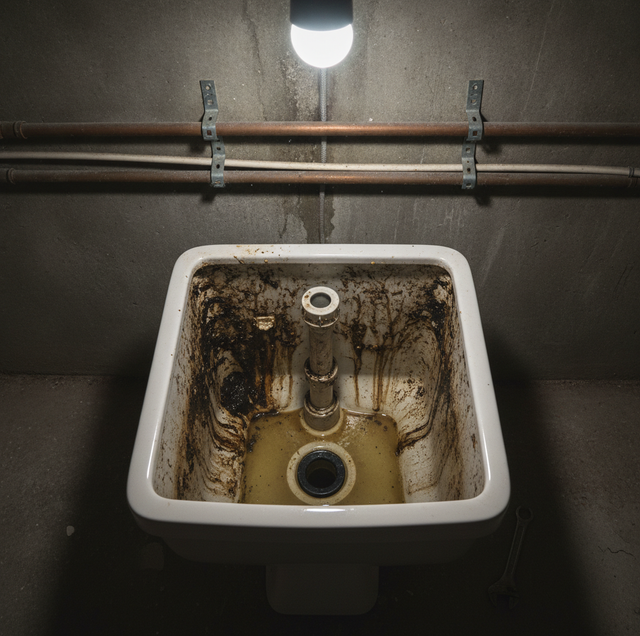
The most common source in a well system is sulfur-reducing bacteria. These bacteria live in oxygen-poor environments like wells and produce hydrogen sulfide gas as they metabolize naturally occurring sulfur in the groundwater. They are generally not harmful to health at the levels that cause odor, but they make the water smell and often leave a black, slimy film in the tank, toilet, and pipes, especially where they grow alongside iron bacteria. When the bacteria are in the well itself, the smell shows up in both hot and cold water and at every faucet, because the gas is in the water throughout the system.
The typical fix for bacteria in the well is shock chlorination, disinfecting the well and system with a strong dose of chlorine that kills the bacteria and oxidizes the hydrogen sulfide they produce. Because shock chlorination is a one-time reset, wells where conditions keep favoring the bacteria usually need ongoing treatment as well, an aeration system that strips the gas out, a continuous chlorination setup with a contact tank, or an oxidizing filter such as manganese greensand or catalytic carbon.
The Water Heater Source
The second common source is a chemical reaction inside the water heater. Water heaters contain a metal anode rod that protects the steel tank from corrosion, and the standard magnesium rod can react with sulfur in the water to produce hydrogen sulfide right inside the tank. The clear tell is that the odor appears only in the hot water, not the cold, because it is being created in the heater and nowhere else. When only the hot side smells, the fix is usually swapping the magnesium anode rod for an aluminum-zinc rod, which does not drive the reaction, and disinfecting the tank, a different job from treating the well.
| What you notice | Likely source |
|---|---|
| Smell in both hot and cold water, all taps | Sulfur bacteria in the well |
| Smell only in the hot water | Anode-rod reaction in the water heater |
| Smell at only one fixture | Localized bacteria in that drain or trap |
| Black slime with a smell | Sulfur bacteria, often with iron bacteria |
A Simple Way to Narrow It Down
Because the source determines the fix, a few quick checks save a lot of guessing. Smell the hot and cold water separately: if only the hot smells, the water heater is the likely culprit; if both smell, the gas is in the well water itself. Check whether it is every faucet or just one, since a single smelly fixture can point to something local, even bacteria in the drain, rather than the water. Note when the smell is strongest, too: an odor that is worst on water that has sat in the pipes overnight, then fades as you run the tap, often points to bacteria growing in a low-flow branch of the system. Running these observations before any work narrows the problem to the well, the heater, or a fixture, so the right fix is applied to the actual source.
Frequently Asked Questions
The hydrogen sulfide that causes the odor is generally not harmful to health at the low levels that produce a smell, so the issue is usually nuisance, taste, and staining rather than danger. Even so, a strong or new sulfur smell is a reason to have the water tested, not just for hydrogen sulfide but for coliform bacteria and nitrate, because a well that has developed one water-quality problem can have others. High sulfide levels also corrode plumbing and darken silverware, so testing is worthwhile even when the health risk is low.
Usually not on its own. A conventional water softener is designed to remove hardness minerals through ion exchange, and it does little to remove dissolved hydrogen sulfide gas, so the rotten-egg smell typically remains after softening. Removing sulfur odor takes a treatment aimed at the gas itself, aeration, an oxidizing filter like manganese greensand or catalytic carbon, or chlorination followed by carbon filtration. Some homes run a sulfur filter ahead of the softener so each unit does its own job.
Because the water has been sitting still in the pipes and pressure tank overnight, giving sulfur bacteria undisturbed time to grow and release gas into that standing water. When you first open the tap, that concentrated slug comes out, and the smell is strongest, then it fades as fresh water moves through. A smell that behaves this way points toward bacterial growth in a low-flow part of the system rather than a heater reaction, which would track with the hot side instead.
The magnesium anode rod in your water heater is likely reacting with sulfur to make the gas inside the tank. The common fix is replacing that magnesium rod with an aluminum-zinc anode, which resists the reaction, along with disinfecting or flushing the tank. It is worth noting that simply removing the anode rod is not a real fix; the rod protects the tank from corrosion, so pulling it out to stop the smell shortens the heater's life and can void its warranty.
Those usually come from the same problem. Sulfur-reducing bacteria frequently grow alongside iron and manganese bacteria, and together they leave a black or dark slime and can stain sinks, toilets, laundry, and flatware. So black staining plus a rotten-egg smell is a strong sign of bacterial growth in the well and plumbing, which is why the treatment often has to address bacteria and iron together rather than the odor alone.
It is possible to do it yourself, but the details matter: you have to use the right chlorine concentration for your well volume, circulate it to every fixture until you smell chlorine at each tap, hold it in the system for the recommended contact time, then flush it out safely without dumping heavily chlorinated water into a septic field. Done wrong, it either fails to disinfect or over-chlorinates. When the smell keeps coming back after shocking, that is the sign a professional should identify the source and set up continuous treatment.
Putting the Clues Together
A sulfur smell in well water is hydrogen sulfide gas, and it comes almost always from sulfur bacteria in the well or the anode-rod reaction in the water heater. The hot-versus-cold, one-tap-versus-all, and worse-after-sitting checks tell you which, and that decides whether the answer is shock chlorination and ongoing treatment, an aluminum-zinc anode and a tank flush, or a local repair. Pin down the source first, and the fix that actually lasts follows from there, which is also the point at which testing the water for other issues is worth doing.
If your well water smells like sulfur, we can trace it to the source and put in the right fix. Pump Repair Services serves Orlando, Winter Park, and Apopka. Call (407) 625-5499.