Reasons to Add a Booster Pump
For many properties, installing a booster pump is the most reliable way to correct low pressure and ensure steady water flow throughout the building.
Water plays an essential role in every aspect of daily living, from drinking and cooking to bathing, laundry, cleaning, and irrigating the lawn. While having access to water is important, having dependable water pressure is equally vital. A home or business may receive plenty of water from the municipal supply or a private source. However, if that water cannot reach fixtures at the proper pressure, everyday tasks quickly become inconvenient, time-consuming, and less effective. For many properties, installing a booster pump is the most reliable way to correct low pressure and ensure steady water flow throughout the building.
In many regions, water pressure varies due to several environmental and system-related factors. Elevation differences, long plumbing runs, aging municipal infrastructures, high-demand neighborhoods, shared water lines, peak usage periods, and old or undersized pipes can all contribute to pressure loss. Even private wells may experience fluctuations due to changes in groundwater levels or pump performance. When these conditions interfere with standard household or business activities, a booster pump provides the additional force needed to move water efficiently throughout the structure.
Water pressure problems become increasingly noticeable as households grow, buildings expand, or additional fixtures are added. A modern home or business might include multiple bathrooms, high-efficiency appliances, outdoor sprinklers, filtration equipment, and a variety of fixtures requiring steady pressure to operate correctly. When the pressure drops, showers weaken, appliances take longer to fill, irrigation systems underperform, and fixtures exhibit inconsistent flow. These repeated issues can be frustrating and impact everyday routines. A professionally selected and installed booster pump solves these challenges and delivers predictable pressure to every outlet.
Professionals evaluate a building's hydraulic conditions before recommending a booster pump. They examine static pressure, elevation changes, piping layout, fixture load, and local supply fluctuations. These assessments confirm whether the municipal supply, the interior plumbing layout, or a combination of factors is causing the pressure issue. Once the root cause is identified, the booster pump is sized and configured to deliver consistent performance without overloading the system.
What Is a Booster Pump?
A booster pump is a mechanical device engineered to increase water pressure and improve water flow within a plumbing system. It draws water from an existing supply line and uses a motor-driven impeller to raise the pressure to the desired level. Although booster pumps vary in design, most include essential components such as the motor, impeller assembly, inlet and outlet ports, and pressure- or flow-sensing devices. Booster pumps are especially common in multi-story homes, commercial buildings, irrigation systems, and properties where pressure loss occurs due to distance or elevation.
In residential settings, a booster pump ensures that upper floors receive the same pressure as ground-level fixtures. In commercial or industrial environments, a booster pump may support equipment that needs a stable water flow, such as cooling systems, processing equipment, or high-demand fixtures. Modern booster pumps can function independently or in combination with pressure tanks, filtration systems, and water treatment equipment. A professional evaluates these conditions to ensure the pump is correctly positioned and integrated into the system without creating backpressure or flow issues.
Booster pumps come in numerous configurations, including single-stage pumps for smaller applications and multi-stage pumps for situations requiring higher pressure. Multi-stage pumps increase pressure by directing water through several impellers arranged in sequence. These models are effective in properties that experience steep pressure drops or have large distribution systems. Selecting the correct pump type and size is essential to performance, which is why an experienced technician handles the evaluation and installation.
Reasons to Add a Booster Pump
Increase the Water Pressure
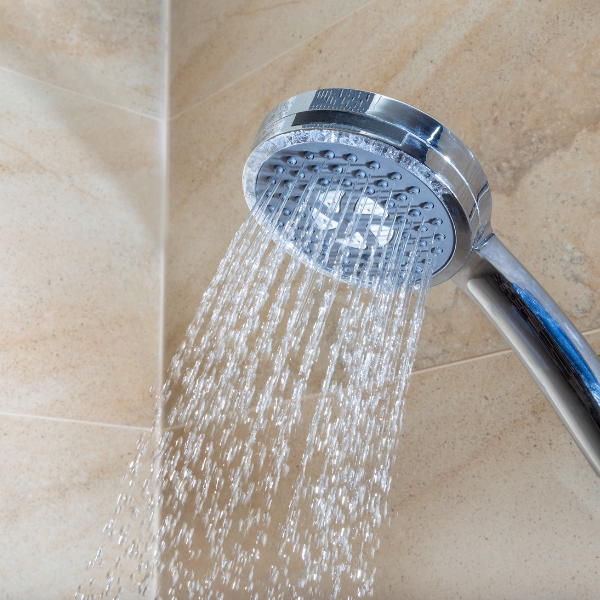
The primary reason property owners install a booster pump is to increase water pressure. Weak pressure can make simple tasks feel inefficient and frustrating. Showerheads may barely spray, faucets may run slowly, and appliances such as washing machines and dishwashers may take longer to complete their cycles. These issues are common in neighborhoods where several homes share the same supply line, in homes located uphill from the municipal supply, or in older properties where pipe diameter decreases pressure.
A booster pump gives the system the extra lift it needs to deliver consistent, usable pressure. When installed professionally, the pump ensures that water reaches every fixture with the force required for proper operation. This improvement enhances everyday tasks such as bathing, cleaning, and watering plants.
Ensure Constant Pressure
Water pressure fluctuations can be just as disruptive as low pressure. Sudden drops occur during peak usage periods, such as early morning or evening, when multiple households draw water simultaneously. In multi-story properties, pressure inconsistency is especially noticeable on upper floors. In commercial environments, inconsistent pressure can disrupt production processes, reduce equipment efficiency, or cause downtime.
A booster pump stabilizes the system and maintains consistent pressure across all zones. Instead of experiencing high pressure at some times and low pressure at others, the building benefits from a smooth, reliable flow. This consistency is essential for both comfort and operational efficiency.
Useful in Various Situations
A booster pump offers excellent versatility and can be used in a wide range of residential, commercial, and industrial settings. Homes with long plumbing runs, apartment buildings with multiple levels, offices located in high-rise structures, restaurants with high water demand, and industrial facilities requiring constant flow all benefit from booster pump installation.
Booster pumps are also helpful in rural or agricultural environments where pressure drops occur due to irrigation systems, well performance, or elevation changes. Because booster pumps are designed to support a wide range of systems, professionals evaluate the property's unique conditions and recommend the most appropriate configuration.
Booster Pumps Are Compact
Booster pumps are designed to deliver strong performance without taking up significant space. Their compact size allows for flexible installation in mechanical rooms, crawl spaces, utility basements, equipment closets, or designated pump stations. Many modern pumps include integrated controls, sensors, and noise-reducing features that make them easy to maintain and comfortable to operate indoors.
Because booster pumps require minimal space, buildings rarely need structural modifications. This convenience is especially valuable for properties where expansion or remodeling is difficult due to space limitations.
They Are Easy to Install and Maintain
A major advantage of modern booster pump systems is their straightforward installation and low maintenance requirements. Booster pumps include fewer moving parts than many other system components, which reduces wear and contributes to long-term reliability. When installed by a qualified professional, the pump is properly aligned, connected to the correct power supply, and integrated safely with the existing plumbing system.
Maintenance needs are relatively simple and typically include periodic inspections, occasional lubrication, filter checks, and routine performance evaluation. Annual inspections help detect any pressure irregularities, early wear, or electrical issues. Because these pumps are engineered for low upkeep, long-term ownership is practical and cost-effective.
Improve Building Functionality
A booster pump not only improves water pressure but also enhances the building's overall functionality. Fixtures operate more consistently, appliances maintain their efficiency, and water quality systems such as filters and softeners work more reliably when pressure remains stable. Irrigation systems that previously struggled with uneven watering begin to perform uniformly, supporting healthier landscapes.
In multi-tenant properties, consistent pressure reduces complaints and improves the user experience. In commercial buildings, reliable pressure supports productivity, reduces downtime, and ensures that equipment dependent on steady water flow performs correctly.
Extend Appliance Lifespan
Many household appliances rely on stable pressure to function effectively. Dishwashers, washing machines, refrigerators with water dispensers, on-demand water heaters, and filtration systems operate more smoothly when pressure remains within the recommended range. Low or inconsistent pressure forces these appliances to work harder, which increases operating time and contributes to premature wear.
A booster pump reduces strain on these systems by providing consistent pressure and adequate flow. Over time, this contributes to longer appliance lifespans, fewer service calls, and reduced replacement costs.
Increase Property Value
A home or commercial property with reliable water pressure is more appealing to buyers, tenants, and occupants. Installing a booster pump can improve property value by enhancing overall utility performance. Strong, consistent water pressure is often considered a premium feature, especially in regions known for pressure issues caused by elevation or municipal limitations.
Get the Best Booster Pump
Choosing the right booster pump requires experience, technical knowledge, and an understanding of the property's hydraulic conditions. Professionals measure flow rates, assess static and dynamic pressure, evaluate the plumbing layout, and identify any environmental factors affecting performance. This process ensures that the selected pump meets the building's needs and operates efficiently.
Once the booster pump is installed, professionals provide guidance on use, maintenance, and monitoring. This ensures long-term performance and prevents issues that can arise from improper operation or sizing.
Frequently Asked Questions
How do I know if my property needs a booster pump?
Common signs include weak showers, slow-running faucets, appliance underperformance, and noticeable pressure drops at certain times of day.
Can a booster pump help the upper floors in multi-story buildings?
Yes. Booster pumps are commonly used to ensure upper floors receive the same water pressure as ground-level fixtures.
Does a booster pump increase my water bill?
No. A booster pump increases pressure, not water usage. Most homeowners notice little to no change in their water bill.
Are booster pumps noisy?
Modern pumps include noise-reduction features and operate quietly when installed on a stable surface with proper vibration padding.
As a trusted quality well service with over three decades of experience, Pump Repair Services understand how to install and repair well pumps in Orlando. Our trained and certified technicians specialize in well pump repair, transfer pump repair, irrigation pump repair, and centrifugal pump repair. We can meticulously handle all pump-related issues. Call us for the best service experience.