Identifying Factors Contributing To Low Water Pressure
Low water pressure sneaks into daily life like an uninvited guest, turning simple routines into frustrating ordeals. The shower barely dribbles, faucets sputter, and appliances dawdle, filling with water, making you wonder why the flow seems to have taken a vacation. Well water systems are a bit like a finely tuned orchestra—if one instrument falls out of sync, the entire performance suffers. Several factors contribute to low water pressure, and professionals must identify the specific cause to restore normal pressure.
Pump Performance Plays a Crucial Role
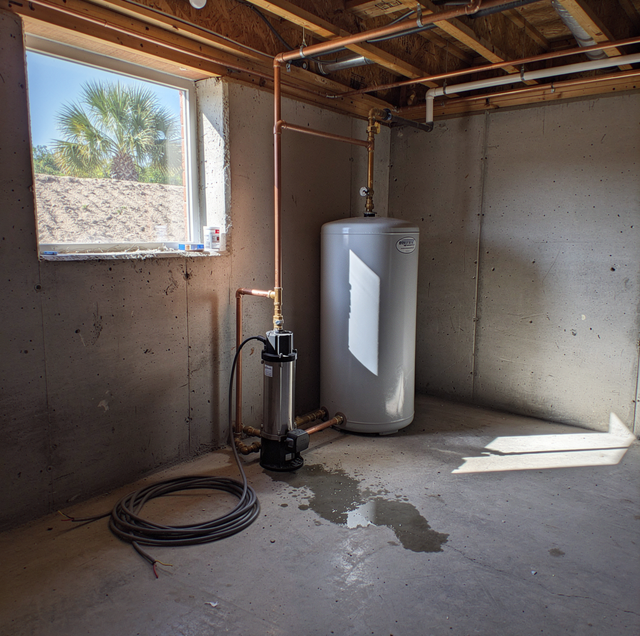
At the center of any well water system, the pump functions as the hardworking heart, pushing water from deep underground into your home. Over time, the pump wears, leading to a gradual loss of efficiency. Motors can weaken, impellers can wear down, or the pump might cycle more frequently than normal, all signs of underlying issues.
Electrical troubles such as faulty wiring, corroded terminals, or problems in the control box can sap the pump's power. These electrical hiccups might cause the motor to run sluggishly or even stop altogether, leading to pressure drops. Professionals employ specialized tools to test voltage and amperage, check motor windings, and inspect the entire pump assembly. Pinpointing pump problems accurately saves homeowners from unnecessary replacements and prolonged headaches.
The pressure tank works hand in hand with the pump, smoothing out fluctuations and maintaining steady water pressure. It acts as a buffer, storing water under pressure to reduce pump cycling. When the bladder inside the tank ruptures or the air charge dwindles, the tank loses its cushioning ability. A tank in poor condition causes the pump to switch on and off rapidly, a phenomenon known as short cycling, which further stresses the pump and leads to inconsistent pressure at faucets.
Technicians measure tank pressure and inspect the bladder to determine if the tank contributes to low water pressure. Some tanks may require recharging the air cushion, while others might need a complete replacement. A healthy pressure tank not only stabilizes water pressure but also extends the pump's life by reducing unnecessary cycling.
Pipes and Plumbing Restrictions Create Bottlenecks
Pipes carry water from the well to your home, but over time, minerals like calcium and iron, along with sediment and rust, accumulate inside. These deposits narrow the pipe diameter, creating resistance similar to that of a clogged artery, slowing blood flow. Even small buildups cause water to trickle rather than gush.
Corrosion can weaken pipes, creating rough surfaces that encourage further buildup. Inspecting pipes for such restrictions requires experience and, sometimes, cameras capable of traveling through them. Cleaning techniques range from chemical treatments to mechanical scraping, while severely damaged pipes might need full replacement. Professionals often recommend upgrading to corrosion-resistant materials to avoid recurring blockages and maintain long-term, high water pressure.
Valves That Malfunction or Are Partially Closed
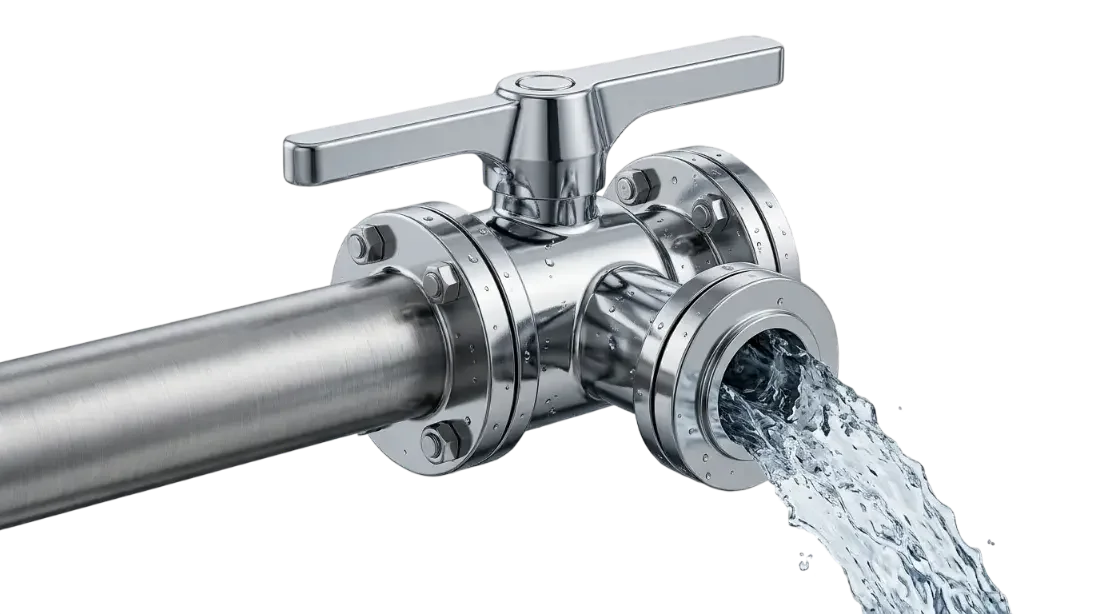
Valves play a critical role in controlling water flow throughout the system. Gate valves, ball valves, and check valves regulate the direction and volume of water traveling through pipes. A valve stuck partially closed or suffering wear restricts flow, causing noticeable pressure loss.
Check valves, in particular, prevent water from flowing backward into the well—a crucial function for maintaining pressure and protecting the pump. When these valves fail, water can drain back, resulting in longer pump run times and lower pressure. Professional inspections identify faulty valves that need repair or replacement, restoring smooth water movement throughout the system.
Clogged Filters and Water Treatment Systems
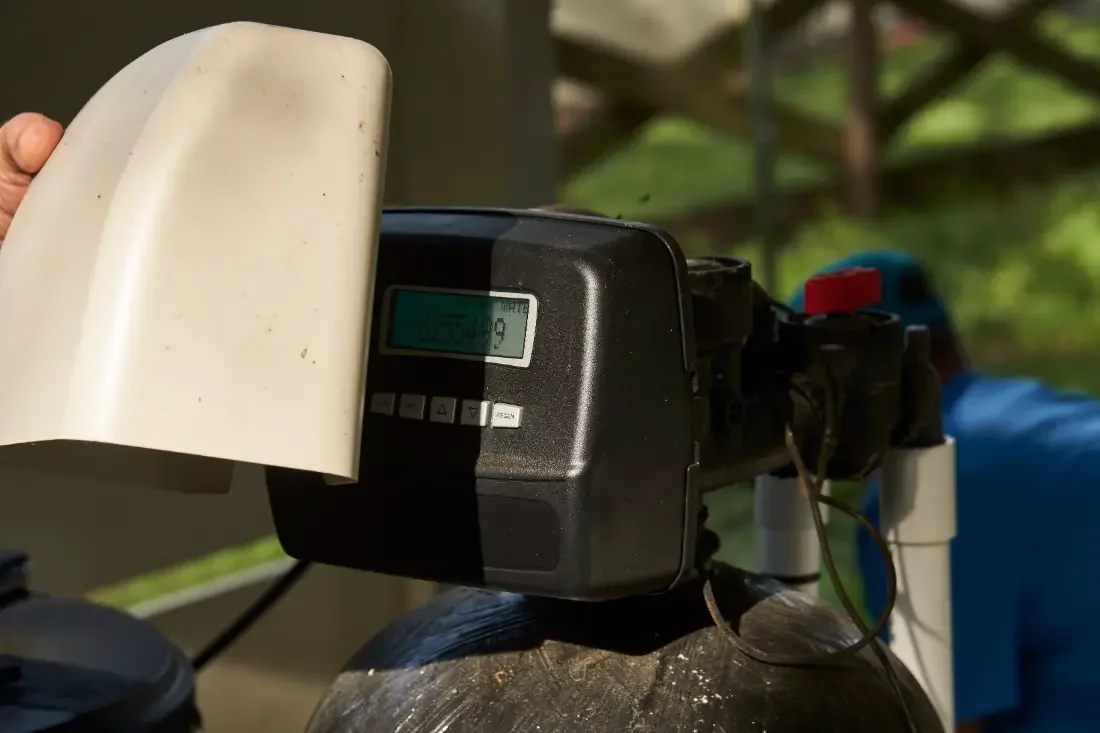
Filtration and water treatment devices protect your household plumbing and improve water quality. However, filters and softeners themselves collect sediment and minerals, potentially causing flow restrictions when they become clogged.
A sediment filter overloaded with debris can feel like a traffic jam for water, reducing pressure downstream. Water softeners that aren't properly maintained also contribute to flow resistance. Regular professional cleaning or filter replacement keeps water flowing at the right pressure and protects other system components from damage.
Leaks Quietly Steal Pressure
Leaks in the well system or plumbing network operate stealthily, wasting water and lowering pressure before anyone notices. Small cracks, pinhole leaks in pipe joints, or hidden breaks underground can cause significant pressure drops and damage over time.
Detecting leaks requires specialized tools such as pressure gauges, listening devices, and thermal imaging cameras. Professionals conduct thorough inspections and pressure tests to quickly locate leaks. Prompt repairs not only restore water pressure but also prevent water waste and costly property damage.
Fluctuating Water Levels Impact Pump Performance
Water levels in a well fluctuate naturally due to seasonal variations, drought, or increased groundwater demand in the area. A declining water table forces the pump to work harder to draw water, which can lead to insufficient flow and low pressure.
Measuring the static water level and the drawdown—the difference between water level before and during pumping—helps professionals assess the well's performance. If water levels remain too low for a reliable supply, solutions might include lowering the pump deeper or even drilling a new well. Monitoring water levels over time allows for proactive adjustments before pressure problems escalate.
Pressure Switch Problems Lead to Erratic Cycling
The pressure switch serves as the system's nervous system, signaling the pump when to start and stop based on preset pressure thresholds. Corrosion, dirt, or mechanical wear on the switch's contacts can cause erratic cycling—frequent on-and-off cycles—which disrupts consistent pressure delivery.
A malfunctioning pressure switch can also cause the pump to run continuously or fail to start, both of which can lead to pressure loss or system damage. During routine maintenance, technicians test pressure switches and replace or calibrate them as needed to stabilize pump operation and maintain steady pressure.
Electrical Wiring Issues Affect Pump Power
Pump wiring faces harsh environments, often buried underground or exposed to moisture, temperature swings, and mechanical wear. Over time, insulation breaks down, connections loosen, and corrosion creeps in, all of which diminish electrical current flow.
Reduced power supply causes the pump to struggle or stop, resulting in low or no water pressure. Professionals perform detailed electrical inspections using multimeters and continuity testers to detect wiring faults. Repairing or replacing damaged wiring restores full pump performance and contributes to reliable water pressure.
Professional Maintenance Keeps Pressure Steady
Preventing low water pressure involves regular inspections and upkeep by skilled professionals. The interconnected parts of a well system require periodic evaluation to catch minor issues before they snowball into major failures.
Routine service visits include testing pump function, checking the pressure tank, inspecting pipes and valves, replacing filters, detecting leaks, measuring water levels, and verifying electrical components. Such comprehensive maintenance maximizes system longevity and maintains consistent water pressure for everyday use.
Addressing low water pressure is rarely a one-size-fits-all task. Each system tells its own story, shaped by local water conditions, equipment age, and usage patterns. Professional diagnosis unlocks the mystery behind pressure woes and guides tailored repairs.
The next time the shower offers a disappointing drizzle or the faucet teases you with a weak flow, remember that expert eyes and tools reveal the causes lurking beneath the surface. Tackling pump wear, pressure tank issues, clogged pipes, faulty valves, or electrical troubles can restore water pressure—and peace of mind—without the hassle and guesswork.
Strong, steady water pressure keeps homes running smoothly and makes life just a little easier every day.
Pump Repair Services is a reliable company offering well pump services to residential and commercial customers in Orlando and the surrounding areas. Our team offers prompt and efficient solutions, whether you have above or below ground wells. We can install and repair a variety of pumps, also providing 24-hour emergency services. We combine quality equipment with technical knowledge to keep your pump working efficiently. Call today!