Warning Signs that a Well Water Pump Needs Replacement
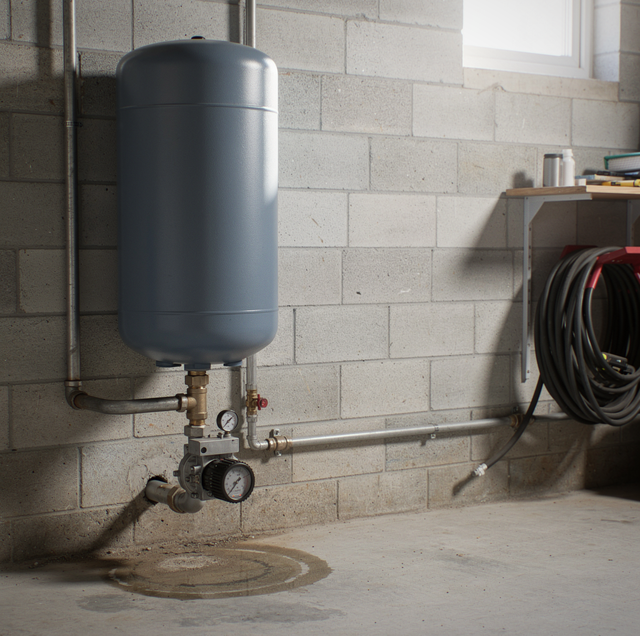
A well water pump is a critical component in any property that relies on groundwater for daily use. Whether the home sits on a rural property or in a region where private wells are common, a fully functioning pump ensures dependable access to clean, pressurized water. The pump draws water from the well, maintains pressure throughout the plumbing system, and supports essential tasks, including drinking and cooking, bathing, laundry, and irrigation. When a well water pump begins to fail, the impact is immediate and often disruptive. Water may stop flowing, pressure may fluctuate, or unusual noises may emerge. Because a pump is mechanical equipment, it will eventually wear out and require replacement.
Well pumps usually last between ten and fifteen years, depending on water quality, usage levels, maintenance practices, and environmental conditions. However, many homeowners do not know the age of their system, especially if the pump was installed before they purchased the property. Understanding the warning signs of a failing pump is paramount, as early detection can prevent system failure, avoid water shortages, reduce repair costs, and protect the pressure tank and plumbing fixtures from unnecessary stress. The following sections outline the most common warning signs that a well water pump needs replacement and explain the importance of professional evaluation.
No Water
One of the most noticeable signs of well pump failure is a complete loss of water. When a faucet produces no water or toilets fail to refill after flushing, the pump may not be drawing water from the well. While homeowners may initially suspect a mechanical breakdown, several conditions can cause a temporary loss of water. Example include electrical interruptions, tripped breakers, or issues with the pressure switch. Before assuming the pump has failed, confirm that the system is receiving power.
If the electrical system is functioning correctly and water flow has not returned, the pump may have reached the end of its lifespan. A pump that can no longer generate sufficient lift or pressure cannot deliver water to the home. Well water pumps operate under constant demand, especially in active households or properties that use large volumes of water. Over time, internal components weaken, seals wear out, and motors lose efficiency. When water does not return after basic checks are completed, professional service is necessary to diagnose whether the pump needs replacement.
Regional conditions may also influence pump failure. Drought, falling water tables, or changes in groundwater levels may force the pump to work harder, accelerating wear. A professional inspection can determine whether the issue is related to groundwater conditions or mechanical failure. In either case, lack of water should be treated as a clear sign that immediate evaluation is required.
A Decline in Water Pressure
Low water pressure is another common indicator of a failing well water pump. Pressure drops may occur gradually or suddenly, depending on the nature of the issue. Pumps become less efficient over time as motors weaken and mechanical wear increases. When efficiency drops, the pump cannot generate the pressure needed to supply water consistently throughout the home. People can notice this at showers, sinks, and outdoor spigots where the water flow appears weaker than usual.
Pressure problems can also result from other issues, including a failing pressure tank, clogged pipes, a partially closed valve, or mineral buildup in the system. However, when these factors are ruled out, and the low pressure persists, the pump itself is often the source of the problem. Pumps that are undersized for household demand may also struggle to maintain pressure. For example, homes that have added new appliances, irrigation systems, or additional plumbing fixtures may require a more powerful pump than the original installation.
A professional evaluation includes pressure testing, electrical checks, and a review of the pump’s performance curve. These assessments help determine whether the pump is failing, mismatched to the home’s needs, or affected by external system issues. When pressure consistently drops below normal levels, replacement is often the most reliable solution.
The Pump Makes Unusual Noises
Well water pumps normally operate with minimal noise. A quiet system indicates balanced mechanical movement and stable water flow. When unusual noises begin to emerge, such as clicking, rattling, whining, or grinding sounds, the pump may be experiencing internal wear. These noises often indicate that bearings, impellers, or other moving parts have deteriorated and can no longer operate smoothly.
Strange sounds can also occur when the pump runs dry due to low groundwater levels or suction restrictions in the well. Running a pump without water causes rapid overheating and severe internal damage. Noise may also signal cavitation, a condition that occurs when vapor bubbles form around the impeller and collapse with force, eroding internal components. Cavitation typically develops when the pump struggles to draw water or when the water level has dropped.
Ignoring unusual noises can lead to complete pump failure. Addressing these issues early helps prevent additional damage to the well system and ensures a reliable water supply.
There Is Air in the Pipes
Air in the plumbing system is a common sign that the well water pump is struggling. When air comes out of faucets in the form of sputters or bubbling, the pump may not be drawing water consistently. Such a situation can happen for several reasons, including leaks in the suction line, cracks in the well casing, or declining pump performance. Air may also enter the system when groundwater levels drop, and the pump draws pockets of air instead of water.
A pump that is unable to maintain a steady prime will frequently introduce air into the plumbing. This reduces flow efficiency, increases wear on the pump, and creates an inconsistent water supply. Air in the pipes can also indicate that the pump is operating below its intended capacity or that internal components are worn and unable to maintain stable water movement.
A professional evaluation is required to identify whether the source of air is mechanical failure, a compromised well casing, or groundwater fluctuations. Replacing the pump often resolves the issue, especially when the pump has reached the end of its service life.
Dirty Water
Dirty or discolored water is a serious warning sign that should never be ignored. Clear water is a basic expectation of a properly functioning well system. When water turns brown, cloudy, or contains visible sediment, the pump may be drawing water from an inappropriate depth or may be failing to filter out contaminants. A pump that is too large for the well may pull water too forcefully and disturb sediment at the bottom of the well. Damaged filters or screens may also allow soil, sand, or mineral deposits to enter the water supply.
Contaminated water poses health risks and can damage household plumbing and appliances. Water that tastes metallic, earthy, or chemical-like further indicates that the well system requires immediate attention. While some discoloration may be due to natural mineral content, sudden or significant changes often indicate pump or well issues that require correction.
Professionals inspect the pump depth, screen condition, and water chemistry to determine the cause of contamination. If the pump is responsible for the problem, replacement with a properly sized and positioned unit restores water quality and protects the home.
An Unusual Spike in Water Bills
A sudden increase in electricity costs may indicate a failing well water pump. Pumps that struggle to operate often run longer and harder to deliver the same amount of water. Motors may overheat, cycle excessively, or operate inefficiently due to internal wear. This increased workload results in higher utility bills, especially in homes where water demand is consistent throughout the day.
Continuous pump operation is a major sign of trouble. A well pump should turn on and off periodically as water is needed. When the pump runs constantly, it may be compensating for reduced pressure, internal failure, or declining groundwater levels. Prolonged overuse can lead to burnout, leaving the home without water entirely.
Reviewing energy usage patterns and matching them to pump activity helps professionals identify whether the pump is nearing failure. Replacing an inefficient pump not only restores proper water flow but also reduces long-term energy costs.
Maintain the Well Pump
Responding quickly to the warning signs of pump failure helps prevent system damage and water disruptions. When homeowners notice changes in water flow, pressure, taste, or noise, professional evaluation is essential. Well technicians have the tools and expertise to assess pump performance, inspect electrical components, and test water quality. They also evaluate the overall well system, including the pressure tank, casing, and plumbing connections.
Regular maintenance extends the life of a well water pump and reduces the likelihood of emergency repairs. Periodic inspections, pump performance tests, and water quality monitoring help ensure that the pump remains in good working condition. When replacement becomes necessary, professionals guide homeowners through selecting a pump that matches well depth, household demand, and local groundwater characteristics.
A well-maintained system provides clean, reliable water and protects household health. When warning signs appear, timely attention and professional support help ensure that the well continues to operate safely and efficiently.
Pump Repair Services provides residential and commercial well pump repair, transfer pump repair, and custom water treatment system services in the Orlando area. (Sorry, no pool pumps or sewer pumps.) We offer 24-hour emergency service. Call us to learn more.