Protecting Water Quality with Durable Well Inner Casings
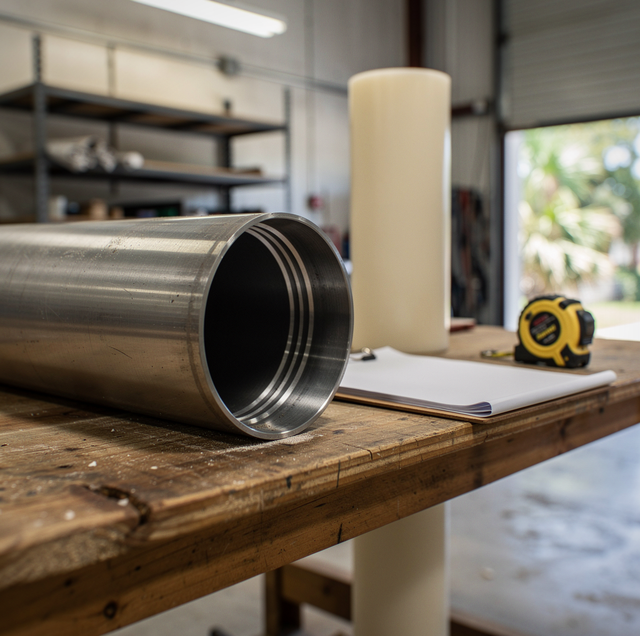
Wells often serve as the lifeline for many homes and businesses, quietly supplying water that fuels daily life. The unsung hero in this underground story is the well's inner casing—a sturdy shield that keeps water clean, stable, and free from unwelcome visitors. When professionals install or replace these casings, they perform a careful balancing act between durability, corrosion resistance, and compatibility with the well environment. A strong well inner casing doesn't just hold things together underground; it actively protects water quality, safeguards infrastructure, and stretches the life of the entire well system.
Understanding the Role of the Well Inner Casing
The well's inner casing acts as a barrier between the borehole and the water inside. Think of it as the well's backbone, maintaining structural integrity while preventing soil, debris, and contaminants from seeping into the water supply. Without a reliable casing, wells face serious risks, including sediment intrusion, aquifer contamination, and eventual collapse.
Professionals know that the inner casing keeps the water flowing smoothly, supporting pumps and other equipment along the way. It also creates a clean, corrosion-resistant environment that resists chemical and biological wear. By focusing on durable materials and precise installation, experts protect water quality from the source to the tap.
Choosing Materials That Stand the Test of Time
Selecting the right material for well inner casings requires a deep understanding of local geology, water chemistry, and well purpose. Steel casings, long trusted for their strength, can corrode when exposed to acidic or mineral-rich groundwater. Advanced coatings and cathodic protection can slow the decay, but heavy rust remains a threat in tough conditions.
Plastic casings, often made from high-density polyethylene (HDPE) or PVC, resist corrosion and biofilm buildup better than metal alternatives. These lightweight casings make installation easier and reduce long-term maintenance needs. However, they might not withstand certain pressures or mechanical stresses as well as steel.
Professionals weigh the pros and cons of each option and tailor material choices to the well's unique environment. That decision shapes the well's durability and water quality protection for decades to come.
Precision Installation Protects More Than Just Pipes
Installing the well inner casing requires more than dropping a tube into a hole. Experts carefully measure the borehole diameter, soil composition, and well depth before selecting casing size and length. Properly fitted casings prevent gaps or voids where sediment or surface water might intrude.
Technicians use specialized equipment to lower casings smoothly, avoiding damage or bending that can compromise seals. Sealing the annular space—the gap between the casing and the borehole wall—is crucial for preventing contaminants from entering the borehole and for blocking cross-contamination between water-bearing layers.
Precision installation extends the well's lifespan and minimizes risks of costly repairs. Professionals approach each casing like a puzzle piece, fitting it perfectly into place to lock out troublemakers lurking underground.
Maintenance: The Unsung Hero of Longevity
Even the sturdiest casing requires regular check-ups to maintain peak performance. Professionals perform inspections using video cameras or ultrasonic testing to detect corrosion, cracks, or deformation before they escalate.
Early detection of casing damage allows timely repairs such as patching leaks, installing liners, or replacing sections. Neglecting maintenance can lead to rapid deterioration, contamination, and eventual well failure.
Scheduled maintenance also includes cleaning biofilms and mineral deposits that coat inner surfaces and restrict water flow. Professionals employ chemical treatments or mechanical cleaning to restore casing integrity and promote healthy water circulation.
Investing in preventive care pays off by avoiding emergency repairs and by consistently protecting water quality over the years.
Signs Your Well Inner Casing Needs Attention
Noticing changes in water quality or well performance can hint at inner casing trouble. Cloudy water, sudden pressure drops, or metallic tastes might indicate corrosion or sediment infiltration. Strange noises from the pump or visible rust stains around the wellhead also raise red flags.
Professionals diagnose these symptoms with comprehensive testing and inspections. Catching casing problems early saves money and keeps water safe before contaminants have a chance to invade.
Why Professional Expertise Matters
Handling the installation and maintenance of the inner casing well isn't a weekend DIY project. Professionals bring years of experience, technical knowledge, and specialized equipment to the job. They interpret geological data, analyze water chemistry, and navigate complex installation challenges with confidence.
Their expertise translates into durable, reliable casings that protect water supplies and prevent future headaches. From selecting the right materials to precision installation and ongoing maintenance, pros take the mystery out of well care and deliver solutions tailored to each client's needs.
Advanced Technologies Elevate Casing Performance
Innovations in well inner casing materials and installation methods continue to improve water quality protection. Composite casings, combining metal and polymer layers, offer enhanced corrosion resistance with structural strength. Some coatings incorporate antimicrobial properties that discourage biofilm formation and bacterial growth.
Installation technologies like guided casing drivers and laser alignment tools improve precision and reduce the risk of damage during deployment. Professionals stay up to date on these advancements, bringing the best options to each project.
Environmental Stewardship Through Durable Casings
Well inner casings act as frontline defenders against groundwater contamination, protecting not only individual properties but entire ecosystems. Strong casings prevent surface pollutants, such as fertilizers, pesticides, and sewage, from seeping into aquifers.
Using sustainable materials and minimizing environmental disturbance during installation align with best practices in well management. Professionals balance practical performance with ecological responsibility, maintaining clean water sources for communities and wildlife alike.
Integrating Inner Casing Care with Comprehensive Well Management
Water quality depends on multiple factors working together—pump condition, filtration systems, and wellhead security all contribute to the big picture. Treating the inner casing as part of a comprehensive well health strategy enables coordinated maintenance that maximizes system longevity.
Regular inspections of all components, coupled with water testing, create a proactive approach that keeps wells operating smoothly. Professionals tailor care plans based on well age, usage, and local conditions to prevent surprises and costly repairs.
Clients appreciate this holistic perspective that ties well inner casing care to broader water quality goals and operational efficiency.
Addressing Common Challenges in Well Inner Casings
Some wells operate in tough environments where acidic soils, high mineral content, or fluctuating water tables stress inner casings. Professionals adapt by recommending specialized materials and installation techniques that resist chemical attack and mechanical wear.
Dealing with legacy casings installed decades ago requires patience and ingenuity. Removing or rehabilitating old steel casings without damaging the borehole demands skill and precision.
Experts troubleshoot these challenges through detailed inspections and customized solutions, turning tricky situations into success stories.
Educating Clients About Well Inner Casing Importance
Understanding why the well's inner casing matters helps clients appreciate the value of investing in quality materials and professional service. Experts communicate clearly about the risks of neglect and the benefits of preventive care using relatable examples and straightforward language.
Clients become partners in protecting water quality and in making informed decisions about maintenance schedules and upgrades. Education builds trust and encourages proactive stewardship that benefits both property owners and the environment.
Well Inner Casings: The Foundation of Clean Water
The journey from underground aquifers to kitchen faucets depends on a strong, durable inner casing. Professionals craft each casing installation and maintenance plan like a bespoke suit, tailored precisely for the well's unique needs.
Protecting water quality begins with protecting the well's structure itself. By investing in durable casings and professional care, clients enjoy reliable water supplies, peace of mind, and a smart return on their investment.
Experts bring experience, technology, and passion to every well project, turning underground infrastructure into a fortress against contamination and breakdown. Clean, safe water flows from their dedication to craftsmanship and care—one well inner casing at a time.
Pump Repair Services is a reliable company offering well pump services to residential and commercial customers in Orlando and the surrounding areas. Our team offers prompt and efficient solutions, whether you have above or below ground wells. We can install and repair a variety of pumps, also providing 24-hour emergency services. We combine quality equipment with technical knowledge to keep your pump working efficiently. Call today!