Maintaining Water Safety with Well Chlorination Treatments
Well chlorination might not sound like the life of the party, but when it comes to keeping your water safe, it’s a silent hero. Wells provide crucial access to fresh water, yet they can also become playgrounds for bacteria, viruses, and other unwelcome microscopic guests. Chlorination treatments tackle those nasties head-on, transforming your well water from a potential risk into a crisp, clean stream ready for everyday use.
Why Chlorination Matters for Well Water
Water drawn directly from a well doesn’t come with a “bacteria-free” badge. Groundwater can pick up all sorts of contaminants—some harmless, others less so. Coliform bacteria, iron bacteria, and even viruses can sneak into your water supply through cracks, surface runoff, or aging infrastructure. Regular chlorination treatments serve as a powerful disinfectant, breaking down organic matter and killing harmful microorganisms lurking beneath the surface.
Chlorine’s chemical properties make it an effective sanitizer, but the timing and technique of its application matter. Professional services tailor treatments to the unique conditions of each well, considering factors like water volume, contamination levels, and flow rates. An off-the-shelf approach won’t cut it—precision and expertise create lasting results.
Signs Your Well Water Might Need Chlorination
Cloudy or foul-smelling water often raises eyebrows, but sometimes problems hide under the surface. Bacterial contamination may manifest as unpleasant tastes or odors, rusty deposits, or changes in water clarity. Some wells experience bacterial slime buildup, causing stains or slimy residues on fixtures.
Homeowners who notice these signs often call in professionals for water testing, a crucial first step. Testing pinpoints contaminants and helps determine whether chlorination or other treatments will most effectively address the problem.
The Chlorination Process: What Professionals Do
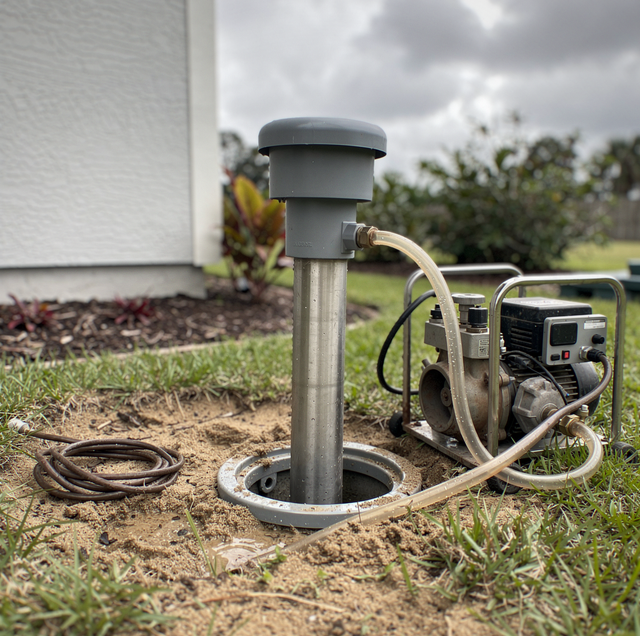
Starting with a thorough inspection and water analysis, technicians design a chlorination plan suited to the well’s characteristics. The process usually begins by adding chlorine—typically in liquid bleach or powder form—to the well and piping system. Technicians use specialized equipment to thoroughly circulate chlorine, reaching every nook and cranny that might harbor bacteria.
After a specified contact time, the well undergoes a flush to remove chlorinated water and dislodged contaminants. Professionals then test the water again to verify that bacteria levels have dropped and that chlorine residuals are within safe limits. If stubborn bacteria persist, follow-up treatments or adjustments come into play.
Safety Comes First During Chlorination
Handling chlorine requires care and respect. The chemical is potent and can irritate skin, eyes, and the respiratory system if mishandled. Professionals wear appropriate protective gear and follow strict guidelines to avoid accidents. They also provide guidance on how long to keep water off-limits after treatment and how to safely flush and resume use.
The goal is a balance—powerful disinfection without unnecessary exposure to chlorine. Experienced technicians know how to walk that tightrope gracefully.
How Often Should Wells Receive Chlorination?
Frequency depends on many factors: well depth, surrounding environment, recent repairs or disturbances, and water test results. Many wells benefit from annual or biannual treatments as part of routine maintenance. Others might require more frequent attention, especially after heavy rains or nearby construction that could introduce contaminants.
Professional services tailor maintenance schedules to each well, combining chlorination with other best practices like well cap inspections, water testing, and pump maintenance. Keeping a close eye on water quality helps avoid surprises and keeps chlorination effective over time.
Chlorination for New Wells and Repairs
New wells and wells undergoing repairs pose unique risks for contamination. Construction activities open pathways for bacteria and debris to enter the system. Chlorinating a new or repaired well acts as a fresh start, sterilizing the system and helping flush out unwanted materials before regular use begins.
Technicians apply treatments carefully to avoid damage to pumps or other equipment while maximizing disinfection. Starting clean sets the stage for long-term water safety and performance.
Dealing with Iron and Sulfur Bacteria
Not all bacteria in wells pose health risks, but some cause frustration with odors and staining. Iron bacteria, for example, create reddish or brown deposits, while sulfur bacteria produce that infamous rotten egg smell. Both reduce water quality and can clog plumbing.
Specialized chlorination treatments target these bacteria, breaking down deposits and preventing regrowth. Professionals may combine chlorination with flushing or other water-conditioning methods to effectively tackle stubborn problems.
Why Rely on Professionals for Well Chlorination?
Chlorinating a well isn’t as simple as dumping bleach into a bucket. The right dosage, contact time, and flushing procedures all influence success and safety. Overchlorinating wastes chemicals and risks damage, while underchlorinating leaves bacteria to thrive.
Professional technicians bring training, experience, and equipment designed specifically for well chlorination. They interpret test results, apply treatments accurately, and monitor outcomes, providing peace of mind that water quality improves safely and reliably.
Preventive maintenance extends beyond chlorination. Well caps, seals, and screens require inspection and repair to block contamination routes. Pumps and pressure tanks benefit from regular servicing to maintain optimal operation and protect water quality.
Avoiding Common Mistakes in Well Chlorination
Homeowners sometimes attempt DIY chlorination using household bleach without consulting professionals. While well-intentioned, such attempts often miss crucial steps or use incorrect concentrations. Chlorine can linger in pipes, leading to unpleasant tastes or corrosion. Rushing the flush-out process may leave residues that damage equipment or water quality.
Professionals avoid these pitfalls by following industry standards and adjusting treatments to unique well conditions. Their systematic approach minimizes risk and maximizes benefits.
Chlorination and Environmental Considerations
Chlorine interacts with organic materials in water, sometimes forming byproducts that require management. Proper treatment minimizes the release of these compounds, protecting both water quality and the environment. Professionals also advise on safe disposal of chlorinated water and leftover chemicals to reduce ecological impact.
Regular water testing complements chlorination, tracks any changes, and supports sustainable water management. Combined, these efforts help balance safety, performance, and environmental stewardship.
How Chlorination Enhances Overall Water System Health
Chlorination serves as a cornerstone of well water treatment and also helps protect the entire water system. Clean water reduces wear and corrosion in pipes and appliances, preventing costly repairs. It promotes healthier living environments by limiting exposure to waterborne pathogens.
In commercial and agricultural settings, reliable chlorination supports productivity and compliance with health standards. Whether for a family home or an industrial facility, well chlorination treatments contribute to smooth operations and peace of mind.
A Partnership for Water Safety and Quality
Collaborating with professional service providers means access to expertise, equipment, and ongoing support. They offer tailored recommendations, emergency response for contamination events, and training for operators or homeowners. Such partnerships keep water systems running longer and healthier.
When it comes to well chlorination, there’s no room for guesswork. Skilled technicians transform a complicated chemical process into a simple, effective solution for safe water. The right treatment plan combines science, experience, and a touch of care—making your well water sparkle with safety and reliability every day.
Trust Pump Repair Services in Orlando, FL, for professional water filtration & treatment systems to ensure cleaner, safer, and better-tasting water for your home or business. We provide various filtration options to cover a variety of needs. Expect dependable performance and consistent flow. From initial water review to ongoing support and maintenance, we ensure 100% customer satisfaction. Call today to learn more.