Safe Procedures for Proper Well Abandonment
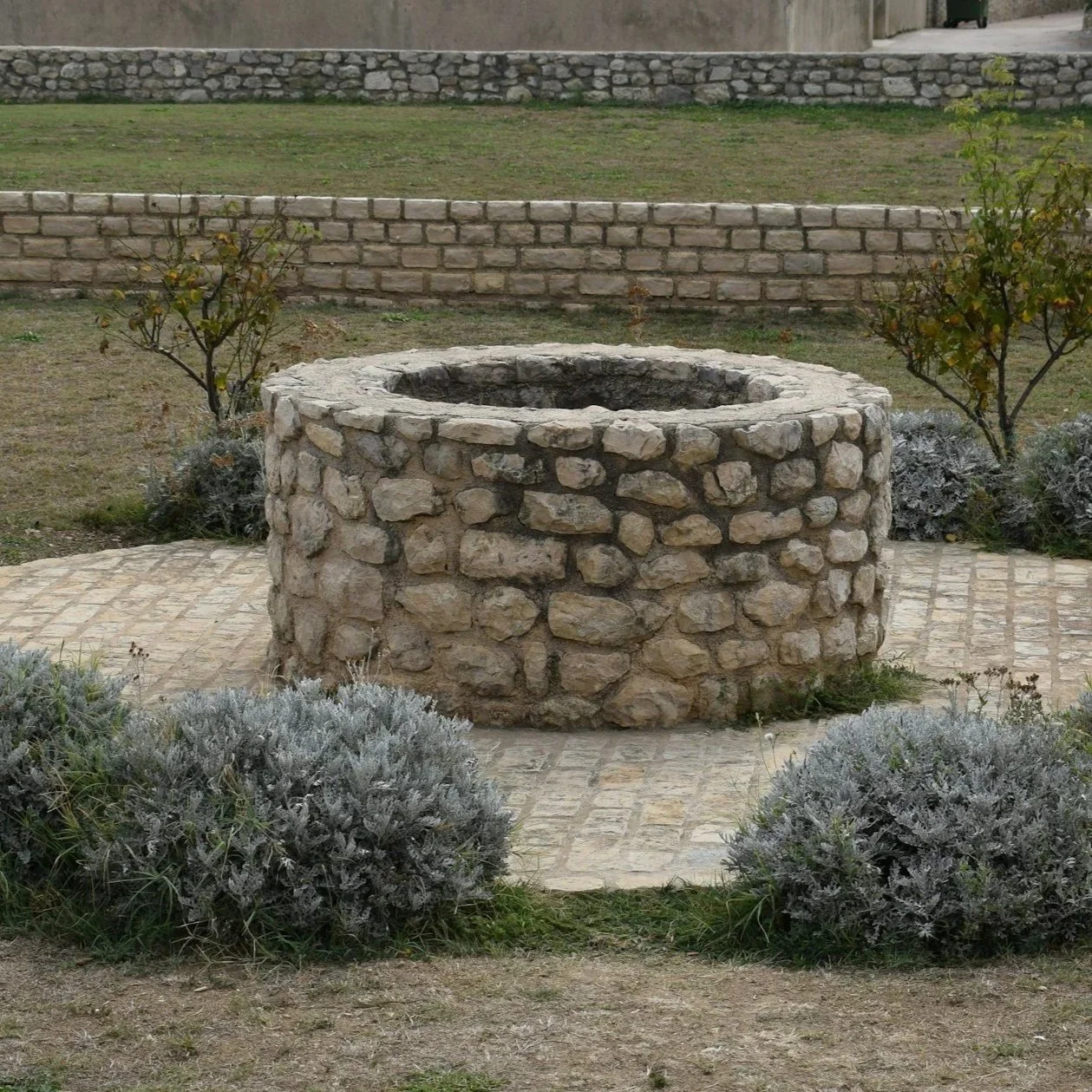
Professional well abandonment follows carefully planned steps designed to safely seal the well, protect groundwater, and comply with regulations.
Wells can serve their purpose well, but eventually face retirement. When a well no longer meets water needs or poses safety risks, proper abandonment becomes a must-do task, not a casual afterthought. Professional well abandonment follows carefully planned steps designed to safely seal the well, protect groundwater, and comply with regulations. Handling the job right calls for skill, precision, and the right equipment—not something for the weekend warrior. Let’s explore how experts carry out safe and effective well abandonment with a touch of friendly flair.
Evaluating the Well’s Condition and Purpose
Before the first tool hits the ground, technicians evaluate the well’s current state and why abandonment has become necessary. Whether a well has run dry, developed mechanical problems, or simply no longer fits the property’s water needs, professionals gather detailed information. They check the well depth, casing condition, location, and surrounding geology. This assessment lays the groundwork for a custom abandonment plan tailored to the well’s unique features and local regulations. Not all wells are created equal, and neither are their retirement strategies.
Obtaining Proper Permits and Following Regulations
Well abandonment dances closely with local, state, and sometimes federal rules. Professionals navigate this regulatory maze to secure necessary permits before starting work. Regulatory compliance protects water sources and communities from contamination and structural hazards. Skipping paperwork or ignoring protocols leads to fines, legal trouble, and environmental headaches. Licensed contractors stay up to date on the latest codes and work hand in hand with authorities to ensure every step remains above board. When it comes to well abandonment, paperwork matters as much as physical labor.
Cleaning Out the Well
Cleaning the well removes debris, sediment, or residual water that could complicate sealing. Professionals use pumps, brushes, or flushing methods to remove loose material from the casing and borehole. Cleaning also helps spot any hidden problems, such as cracks or corrosion that may affect abandonment techniques. Think of this phase as giving the well a final scrub-down before sealing it off—no dust bunnies allowed.
Sealing the Well Properly
Sealing the well ranks as the critical heart of abandonment. The goal focuses on blocking pathways for surface contaminants to enter groundwater or for water to migrate between underground layers. Experts select appropriate sealing materials, often a blend of bentonite clay, cement grout, or neat cement slurry. These substances swell and harden to create a watertight barrier that plugs the well from top to bottom.
Sealing begins at the bottom of the borehole and proceeds upward in stages. Technicians pour or pump sealing material carefully to avoid voids or channels where water could sneak through. Patience and precision rule here, turning what might seem like a simple plug into a complex, multilayered barrier protecting water sources for decades. Using the right materials and techniques transforms a neglected hole into a sealed, harmless part of the landscape.
Cutting Off and Removing Equipment
After sealing, any aboveground equipment must be removed or securely capped. Pumps, pipes, motors, and electrical wiring are carefully removed, preventing damage to the sealed well below or to surrounding property. Professionals disconnect electrical systems safely to eliminate shock risks or fire hazards. The wellhead cap seals the top, preventing debris, animals, or curious humans from falling into the sealed well. This final touch completes the physical closure of the site, leaving it safe and tidy.
Site Restoration and Documentation
Restoring the site returns the area to a natural or usable state. Professionals fill trenches, level disturbed soil, and plant grass or other vegetation as needed. Restoring the landscape not only looks good but also reduces erosion or contamination risks. Proper site restoration signals responsible stewardship and respect for the environment and property owners.
Documenting the entire abandonment process closes the project loop. Technicians prepare detailed reports outlining the well’s original condition, methods used, sealing materials, and final status. Documentation supports legal records, satisfies regulatory requirements, and helps future landowners or professionals understand the well’s history. Having a well-documented abandonment makes future land use safer and smarter.
Addressing Environmental and Safety Concerns
Abandoning wells without care poses serious environmental risks. Improperly sealed wells can become conduits for pollutants, groundwater mixing, or physical hazards. Professionals take environmental impacts seriously and apply best practices to prevent contamination or ecosystem damage.
Safety protocols run front and center during abandonment work. Handling heavy equipment, working with chemicals, and working in confined spaces require rigorous attention to worker safety. Wearing protective gear, following lockout-tagout procedures, and monitoring air quality help prevent on-site accidents. Professionals train for emergencies, keeping the worksite as safe as possible while remaining effective.
Planning for Future Land Use
Well abandonment doesn’t end with sealing the hole; thinking ahead adds value and safety to the property. Professionals discuss with landowners potential future uses of the land—whether building, farming, or natural habitat restoration. Proper abandonment helps prevent structural problems or water issues later and can even open the door to redevelopment. Forward-thinking abandonment turns an old well site from a potential liability into a springboard for new opportunities.
Common Mistakes in Well Abandonment and How Pros Avoid Them
Cutting corners can lead to serious problems. Overlooking permit requirements, skimping on sealing materials, or rushing the job invites contamination or structural collapse. Some might try to cover a well with dirt or debris alone—a recipe for disaster rather than safety.
Professionals avoid these pitfalls with experience, training, and a commitment to doing the job right. Following tested procedures and using quality materials keeps wells sealed tight and communities safe. Trusting experts means sidestepping costly and dangerous mistakes.
The Role of Technology in Modern Well Abandonment
Technological advances play a key role in improving abandonment efficiency and reliability. Remote sensing tools help assess well integrity and surrounding geology without invasive digging. Specialized pumps and mixers deliver sealing materials with precision. Data management software organizes documentation and ensures seamless regulatory compliance.
Technology helps professionals deliver safer, faster, and more environmentally sound well abandonment services. Keeping pace with innovation means clients receive cutting-edge care for their wells from start to finish.
Why Professional Well Abandonment Matters
Leaving a well unplugged or poorly sealed poses hidden threats. Groundwater contamination, physical hazards, and legal liabilities lurk under seemingly quiet land. Professional abandonment transforms a potential ticking time bomb into a secure, environmentally sound feature of the property.
The expertise and equipment that contractors bring guarantee work that lasts for decades rather than months. Professionals navigate regulations, execute the job carefully, and leave thorough documentation behind, making the difference between a hazard and a well-managed, safe site.
Maintenance After Abandonment
Though the well itself rests peacefully after abandonment, keeping records and monitoring the site over time adds an extra layer of protection. Landowners benefit from occasional inspections to verify that the sealed well remains intact, especially when nearby construction or natural events occur.
Document storage and site monitoring create peace of mind and provide useful information for future projects or land transactions. Maintaining vigilance rounds out responsible well stewardship.
A clean and safe landscape begins with professional well abandonment. With careful evaluation, precise sealing, respect for regulations, and a dash of forward-thinking, experts handle well retirement with a blend of science, safety, and a splash of quirky professionalism. Trusting the pros means sealing off risk and opening doors to future possibilities.
Protect groundwater while meeting regulatory standards with professional well abandonment services from Pump Repair Services in Orlando, FL. We evaluate each site thoroughly to determine the best closure method. Our team focuses on safety and environmental responsibility. We handle each well abandonment project efficiently, ensuring full compliance with local and state codes. 24-hour emergency services. Call now!