Reinforcing Well Structures with Expert Well Sleeving
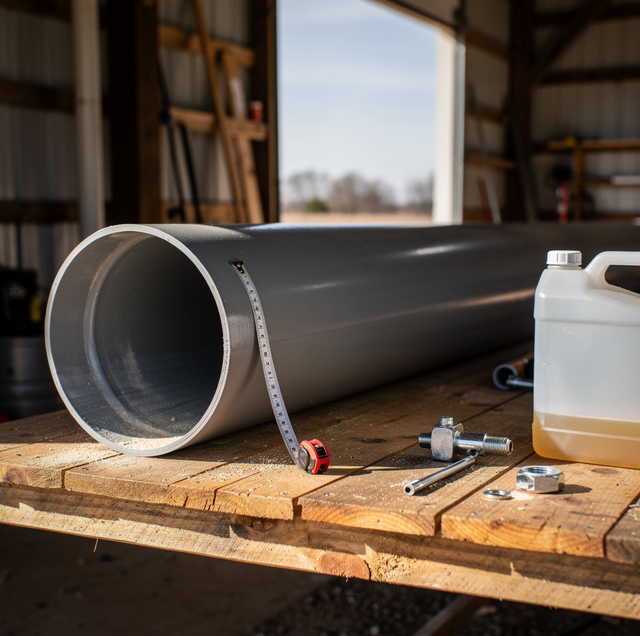
When a well’s structural integrity starts showing cracks—or literally, cracks—professionals jump in with a trusted solution called well sleeving. Well sleeving acts like a snug, durable jacket that slides inside your existing casing, reinforcing its strength without the drama of full replacement. It’s the secret weapon for prolonging well life, maintaining water quality, and dodging costly repairs. Experienced teams handle well sleeving with precision, technical savvy, and just the right amount of elbow grease.
Understanding the Role of Well Sleeving
Well sleeving provides a sturdy internal barrier inside the well casing. Over time, well casings face natural wear and tear from shifting soils, corrosive groundwater, and mechanical stress. When those forces start to chip away at the casing, water quality risks contamination, and the well’s performance dips. Sleeving essentially acts as a new inner casing, restoring structure and sealing off vulnerable areas.
Unlike patch jobs that only address surface problems, well sleeving penetrates deeper. The sleeve provides a tight fit that blocks sediment, prevents collapse, and stabilizes the well bore. It’s a smart, cost-effective alternative to ripping out the whole casing and drilling anew.
Assessing When Well Sleeving Becomes the Hero
Knowing when to call in well sleeving experts requires a trained eye and diagnostic tools. Signs such as rusty or cloudy water, sediment buildup, or unusual pump noises may indicate casing wear. Downhole inspections using cameras and ultrasonic thickness tests reveal hidden cracks, corrosion spots, or thinning metal.
Water quality tests often reveal elevated iron or manganese levels, which trace back to casing deterioration. When the damage stays localized or the casing remains mostly intact, sleeving is the go-to fix. Professional services weigh all these factors carefully, recommending sleeving to extend well life and keep water flowing clean and strong.
Selecting the Perfect Sleeve Material
The material chosen for the sleeve plays a starring role in the upgrade’s success. Steel sleeves offer impressive strength but require coatings or cathodic protection to prevent corrosion underground. For many wells, fiberglass sleeves combine corrosion resistance with durability and lighter weight. These sleeves also simplify installation and reduce stress on pumps.
Some situations call for high-density polyethylene (HDPE) sleeves that resist chemicals and flex with shifting soils. Well sleeving professionals consider water chemistry, soil composition, depth, and budget when selecting the sleeve. They customize solutions, avoiding one-size-fits-all approaches that miss the mark.
Installation Techniques That Protect and Reinforce
Installing a well sleeve isn’t a job for the faint of heart or the casual DIYer. Professionals prepare the well by thoroughly cleaning the interior casing, removing sediment, and sometimes disinfecting to banish bacteria. Then they carefully lower the sleeve, making sure that it seats snugly and aligns perfectly to avoid flow disruptions.
Sealing the sleeve at the top and bottom of the casing locks it in place and blocks off potential contamination routes. Skilled crews use specialized equipment to handle the sleeve’s weight and delicate positioning in deep or narrow wells.
The whole process happens with a mix of precision and patience. Professionals monitor every step to maintain water flow where possible and minimize service interruptions.
Preventing Contamination with Well Sleeving
A major perk of well sleeving is its ability to block contaminants from entering damaged casing sections. Groundwater often carries organic matter, bacteria, and minerals that can seep in through cracks or gaps. Sleeving seals these weak points tight, reducing the risk of water quality degradation.
After installation, technicians often recommend follow-up water testing to verify that contaminant levels drop and clarity improves. Well sleeving plays a direct role in safeguarding safe drinking water by fortifying the well’s physical barrier against intrusion.
Extending Well Life and Reducing Repair Frequency
Wells with upgraded sleeves experience significantly longer service life. Reinforced casings resist collapse and corrosion, sparing owners frequent, costly repairs. Pumps run more smoothly without battling sediment or corrosive debris that can cause premature failure.
Well sleeving stabilizes the well structure, allowing it to withstand shifts caused by freeze-thaw cycles, soil movement, and fluctuating water tables. Clients often describe the upgrade as a “second lease on life” for their well, turning what could be a sinking ship into a robust water source.
Environmental Considerations When Sleeving Wells
Environmental care remains central to professional well sleeving. Old sleeves or damaged casings removed during the process are properly disposed of to avoid soil or groundwater contamination. Sleeve materials often come with low environmental footprints, and experts select options that balance durability with eco-friendliness.
Water used for cleaning and flushing is treated or contained to prevent chemical runoff. Crews practice minimal land disturbance, protecting nearby vegetation and wildlife habitats. Sustainable practices elevate well sleeving beyond a repair job into a thoughtful conservation effort.
Safety Protocols in Well Sleeving Projects
Handling heavy sleeves and working in underground confined spaces demand rigorous safety standards. Professionals wear protective gear and use secure rigging systems to manage equipment. Communication flows clearly between team members to coordinate lifts and monitor conditions.
Managing chlorine or other disinfectants during prep and cleanup requires caution and proper ventilation. Adhering to local regulations and industry standards minimizes risks to workers and property. Safety moves from being a checklist to a culture on every well sleeving job.
Maintenance After Installing Well Sleeves
Though well sleeving drastically boosts well resilience, regular maintenance keeps everything humming smoothly. Technicians schedule periodic inspections to detect new corrosion or sediment accumulation early. Water testing continues as a crucial tool for tracking overall well health.
Keeping well caps sealed and pumps serviced prevents further damage. Maintenance also includes monitoring nearby land use changes or drilling activity that might affect the well bore. A proactive approach to well care protects the investment that sleeving creates.
The Professional Advantage in Well Sleeving
Attempting well sleeving without professional expertise risks damaging the well further or wasting time and money. Precision measurements, customized sleeve selection, and expert installation differentiate successful projects from frustrating failures.
Certified technicians bring hands-on experience with different well types, soil conditions, and water chemistries. They troubleshoot challenges on the spot and provide honest recommendations about when sleeving remains viable or full casing replacement becomes necessary.
Clear communication, transparent pricing, and post-installation support round out the professional service package. Partnering with specialists makes well sleeving a smart, low-stress upgrade.
Technology Enhancing Well Sleeving Efficiency
Emerging technologies sharpen the well sleeving toolkit. High-resolution borehole imaging identifies damage with laser precision. Advanced composite materials offer stronger, lighter sleeves with enhanced corrosion resistance.
Remote sensors can track water quality and casing conditions post-installation, providing data that helps schedule timely maintenance. Robotics assist with sleeve placement in deep or challenging wells, cutting installation time and risk.
Blending cutting-edge tools with proven techniques pushes well sleeving toward a future of safer, longer-lasting wells.
Cost Considerations and Investment Value
While well sleeving involves upfront costs, the payoff includes fewer repairs, improved water quality, and extended well life. Professionals break down expenses by scope, material choice, and well depth, helping clients make informed decisions.
Sleeving often comes in well below the price tag of full casing replacement or drilling a new well. Many owners find peace of mind knowing their water source remains protected and productive for years to come.
Carefully comparing options with experts unlocks the best solution tailored to individual needs and budgets.
Client Experiences and Success Stories
Clients often share relief and satisfaction after well sleeving projects. Comments about clearer water, quieter pumps, and fewer maintenance calls are common. Many describe sleeving as a game-changer that postponed or avoided expensive well replacement.
Hearing these stories fuels professionals’ commitment to delivering reliable, high-quality work. It’s proof that well sleeving blends technical skill with genuine care for customers’ water security.
Partnering for Stronger Wells and Cleaner Water
Well sleeving transforms fragile, aging wells into robust, reliable water sources. Skilled teams combine inspection, material science, and expert installation to craft solutions built for the long haul.
The journey from worn casing to reinforced structure involves clear communication, safety mindfulness, and environmental respect. Professionals help clients navigate the process with ease and confidence.
Solid well sleeves support healthy water and peace of mind—now that’s a service worth celebrating!
Pump Repair Services is a reliable company offering well pump services to residential and commercial customers in Orlando and the surrounding areas. Our team offers prompt and efficient solutions, whether you have above or below ground wells. We can install and repair a variety of pumps, also providing 24-hour emergency services. We combine quality equipment with technical knowledge to keep your pump working efficiently. Call today!