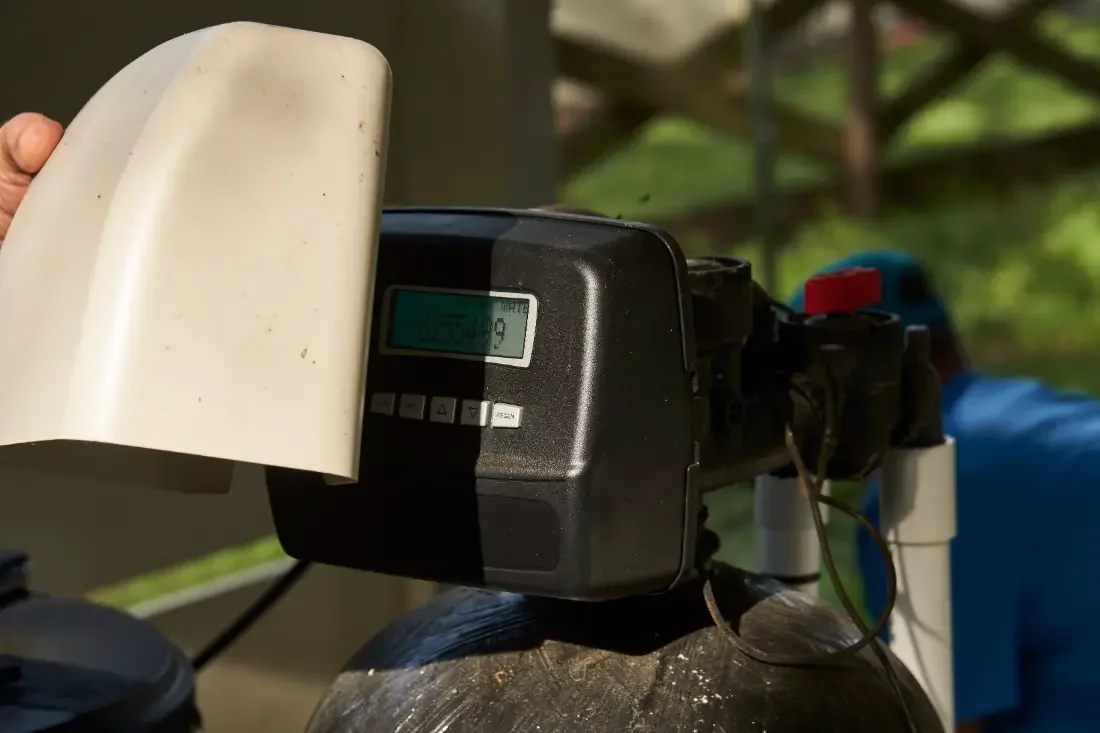
Purpose of a Home Water Treatment System
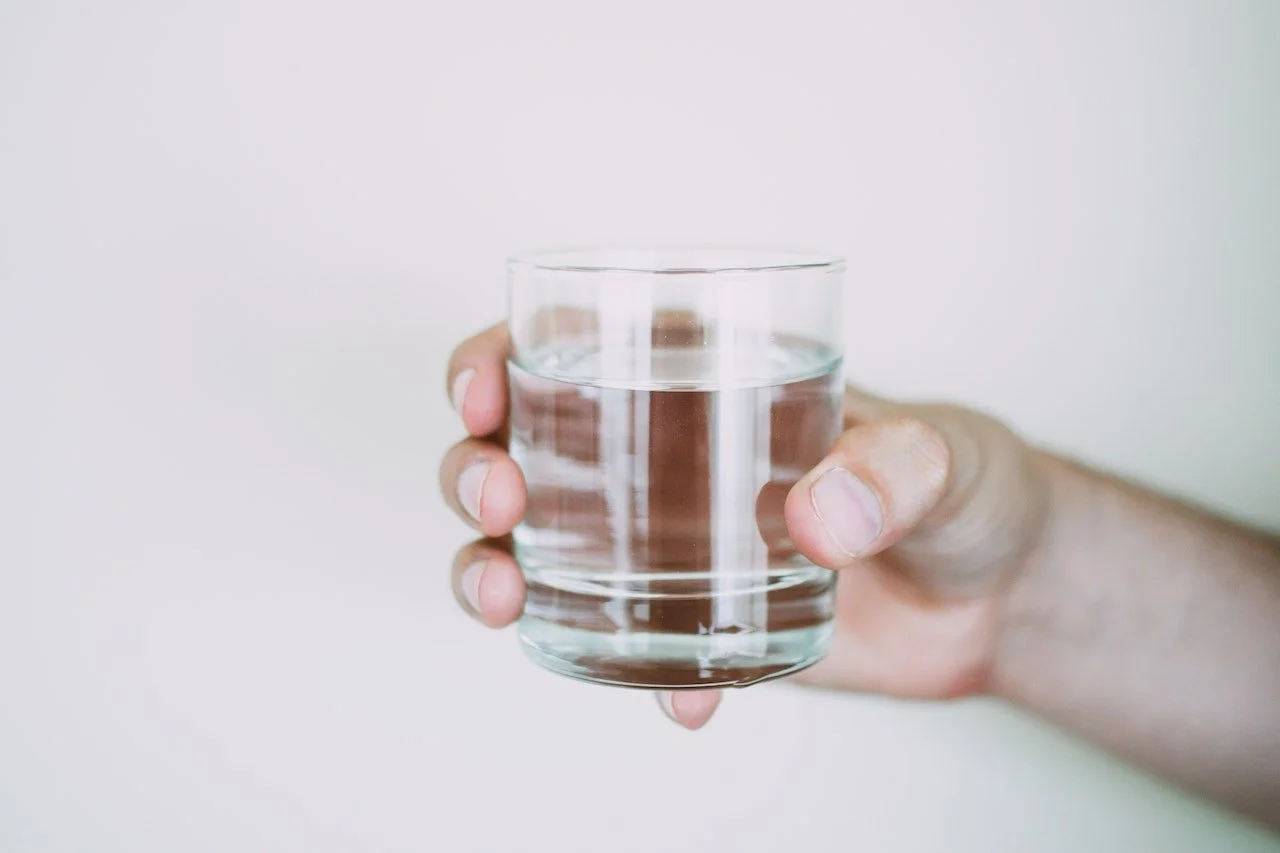
A professionally designed home water treatment system provides a reliable layer of protection, ensuring water remains safe, consistent, and pleasant for everyday use.
Most public water supply systems meet basic safety guidelines, but these standards set minimum legal requirements rather than guaranteeing optimal water quality. As water travels through aging pipes, long municipal routes, or older infrastructure, it may pick up sediment, minerals, disinfectant byproducts, or trace contaminants. Private wells, which receive no regulatory oversight, often experience seasonal fluctuations caused by drought, rainfall, or changing groundwater conditions. A professionally designed home water treatment system provides a reliable layer of protection, ensuring water remains safe, consistent, and pleasant for everyday use.
A modern treatment system addresses a wide range of concerns, from removing harmful contaminants to improving clarity, taste, and overall water performance. While some issues, such as discoloration, odors, or visible mineral buildup, can be detected easily, many contaminants require proper testing to identify. Professional water specialists use laboratory analysis, system evaluation, and regional data to determine the most effective treatment approach. Their expertise ensures that the system is sized correctly, installed safely, and capable of supporting long-term household needs.
The primary purpose of a home water treatment system is to improve the quality, safety, and usability of the water entering the home. Water used for drinking, cooking, bathing, and cleaning should be free from harmful substances and unpleasant characteristics. In many regions, groundwater and municipal supplies contain dissolved minerals, chlorine, sulfur compounds, sediment, or organic material that affect taste, stain fixtures, or strain appliances. A properly selected and professionally installed system resolves these issues, offering cleaner water, reduced maintenance concerns, and better protection for the home’s plumbing and appliances.
The Purpose of a Home Water Treatment System
Some water-related issues can be observed with basic inspection, such as cloudiness, discoloration, a metallic taste, or foul odors. However, many harmful contaminants are too small to be detected with the naked eye and require laboratory testing for confirmation. Private well owners, in particular, may experience seasonal shifts in water quality due to rainfall, drought, or changing groundwater levels.
If testing reveals the presence of unwanted elements or if homeowners experience noticeable water problems, installing, upgrading, or repairing the home water treatment system is the best solution. Professionals evaluate water chemistry, analyze system performance, and design a setup that meets the home’s demands, whether it requires filtration, disinfection, softening, or a combination of solutions.
A professionally installed water treatment system solves several common water concerns and adds long-term value to the property. The following sections expand on the key advantages of using a home water treatment system.
Some of the advantages of a home water treatment system include the following:
Disinfection
One of the primary reasons homeowners invest in a water treatment system is to ensure the removal of harmful microorganisms. The risks associated with untreated or improperly treated water can be significant. Bacteria, viruses, cysts, protozoa, and organic contaminants contribute to acute health problems, and prolonged exposure may lead to more serious concerns.
Heavy metals such as lead, arsenic, and mercury present additional hazards. These substances may enter the water supply through corrosion, soil contamination, industrial pollution, or deteriorating infrastructure. A reliable water treatment system removes or reduces these contaminants, protecting household members from unnecessary exposure.
Disinfection methods differ depending on system design and water conditions. Standard methods include ultraviolet light, chlorination, pasteurization, advanced oxidation, and multi-stage filtration with activated carbon. UV disinfection is especially effective for neutralizing microorganisms without chemicals. Professional installation ensures that the disinfection method is sized correctly, placed, and calibrated for the home’s water supply. The process eliminates risk while maintaining strong water flow throughout the home.
Fewer Plumbing Issues
Harmful substances in untreated water can damage plumbing components and household appliances. Hard water, for example, contains mineral concentrations that form scale inside pipes, faucets, valves, and heaters. Over time, scale buildup restricts water flow, reduces energy efficiency, and shortens the lifespan of appliances and plumbing fixtures.
Mineral deposits also contribute to premature failure of dishwashers, washing machines, water heaters, and any equipment that relies on clean, mineral-free water. Installing a water treatment system significantly reduces these issues. Softened water flows cleanly through plumbing lines, preventing scale accumulation and improving system efficiency. Treated water extends the life of major appliances and reduces long-term maintenance costs.
A water treatment system also reduces corrosion caused by acidic water or chemicals. Corrosion leads to leaks, staining, and compromised plumbing safety. Professional treatment protects pipes and appliances from internal deterioration and ensures consistent water quality throughout the home.
Avoid Skin Irritation
Skin reactions can develop from chlorine exposure, mineral content, and chemical residue in untreated water. People with sensitive skin, allergies, eczema, or psoriasis may experience worsening symptoms when exposed to harsh water conditions. Even for individuals without preexisting skin concerns, hard or chemically treated water can dry out the skin and leave hair feeling brittle.
A properly installed home water treatment system helps reduce these reactions. Treating the water improves its softness and purity, reducing irritation during bathing, washing, and daily routines. Homeowners often notice that their skin feels smoother and their hair feels cleaner once the water system is properly treated.
In regions with high mineral content or chlorine levels, water treatment can dramatically improve comfort and appearance. A professional evaluation ensures the treatment method aligns with local water characteristics, resulting in stable outcomes.
Save on Soap Costs
Hard water contains high concentrations of calcium and magnesium, which interfere with soap and detergent performance. When these minerals react with soap, they create residue that clings to surfaces, clothing, dishes, and skin. This reaction reduces soap effectiveness and requires more detergent to complete everyday cleaning tasks.
Treated water improves soap performance, allowing dishwashers, washing machines, and other appliances to work more efficiently. Clothes come out cleaner, dishes show no film, and less soap is required during daily use. Over time, homeowners save money on cleaning products while also reducing wear on equipment caused by mineral buildup.
Households in regions known for hard water often experience significant improvements in cleaning results after installing a water treatment system. Professional installation ensures that hardness levels are properly measured and the correct system is recommended.
Reduce Mineral Deposits
Limescale buildup is a common issue in homes with hard water. The chalky white deposits found inside kettles, coffee makers, faucets, and water heaters are signs of mineral accumulation. These deposits not only make water taste unpleasant but also decrease appliance efficiency and raise energy costs.
Water heaters, in particular, suffer from reduced heating efficiency when mineral deposits accumulate inside the tank. The system must work harder to heat water, resulting in higher utility bills and shorter equipment life. A home water treatment system eliminates these concerns by reducing or removing the minerals responsible for scale formation.
With the proper treatment system installed, homeowners enjoy better-tasting water, fewer stains, longer-lasting appliances, and improved energy efficiency. Regular maintenance ensures that the treatment system continues to operate at peak performance.
Improved Taste
Taste and odor issues often arise from mineral content, chlorine, sulfur compounds, organic matter, or sediment present in the water supply. These contaminants can give drinking water an unpleasant flavor or smell, making it difficult to enjoy the water directly from the tap.
A professionally installed home water treatment system removes these substances, resulting in clean, fresh-tasting water. Whether the home relies on tap water, well water, or a combination of both, a properly designed system transforms the experience of drinking and cooking with water. Homeowners often appreciate the difference immediately, especially in areas with known taste or odor issues.
Improved taste encourages better hydration and supports healthy living. With a treatment system in place, many homeowners also reduce reliance on bottled water, which lowers long-term costs and minimizes plastic waste.
Get Expert Assistance
Municipal water supplies are governed by agencies that monitor basic safety standards. However, these standards do not guarantee that the water will meet individual preferences or address specific household needs. In many regions, homeowners prefer an extra layer of protection to ensure that their drinking water, cooking water, and bathing water remain clean and consistent.
For private water systems, periodic testing is essential because quality can fluctuate throughout the year. Professionals help homeowners evaluate water chemistry, identify contaminants, and determine which treatment methods are necessary for optimal results. A qualified water treatment specialist can supply and install a system that fits the home’s needs, protects health, preserves appliances, and improves daily routines.
Professionals test the water, assess the home’s infrastructure, examine historical water quality trends in the region, and recommend the most appropriate system design. Their expertise ensures that the water treatment system is installed safely, configured properly, and maintained for long-term reliability.
Frequently Asked Questions
What Is the Best Irrigation Pump for a Large Property?
Turbine and high-capacity centrifugal pumps are commonly recommended for large properties because they deliver the flow and pressure needed for extended irrigation systems.
What Pump Type Works Best for Sprinkler Systems?
Sprinkler systems often require centrifugal or turbine pumps due to their ability to maintain steady pressure.
Is One Pump Enough for Multiple Irrigation Zones?
One pump can support multiple zones if sized correctly. Professionals calculate pressure and flow requirements to confirm compatibility with system layout.
What Are Signs My Irrigation Pump Is Failing?
Reduced pressure, fluctuating water flow, unusual noise, overheating, or frequent cycling may indicate pump problems.
Pump Repair Services excels in installing and maintaining quality water treatment systems in Orlando. Our custom-built systems help improve water quality and lower operating expenses. We offer 24/7 emergency service. Call today!