What To Anticipate During a Water Well Pump Inspection
As professional well technicians, our work focuses on protecting homeowners from unexpected failures, hidden contamination, or declining performance.
A water well pump serves as the heart of a private well system, and a thorough well inspection helps protect water quality, system performance, and long-term reliability. A complete inspection evaluates the well's physical structure, the condition of the pump, the electrical components, and the quality of the water supplied to the home. As professional well technicians, our work focuses on protecting homeowners from unexpected failures, hidden contamination, or declining performance. A private well remains a dependable source of water only when it is inspected and maintained by trained specialists who understand how groundwater, equipment, and local property conditions interact.
A well inspection is not only recommended when problems appear. It should be completed on a routine schedule and whenever a property changes ownership. The goal is to identify issues early and prevent problems that can lead to water shortages, safety hazards, or costly emergencies. Understanding what happens during a well inspection helps homeowners know what to expect and why a water well pump inspection plays such an essential role in the safety of any property that depends on groundwater.
Understanding The Purpose Of A Complete Well Inspection
A complete inspection provides a clear picture of the well system's condition. It evaluates how well the pump operates, how much water the well can deliver, and how safe that water is to drink. It also assesses how the surrounding land and soil may affect the well over time. A home that relies on a private well does not receive the routine testing and treatment performed in municipal water systems. For this reason, the property owner becomes responsible for maintaining quality. A well inspection verifies whether the system is functioning properly and whether the water meets safety guidelines. Annual inspections are recommended, but more frequent checks may be needed in areas with heavy rainfall, agriculture, or seasonal flooding.
A professional well inspection focuses on two main categories. The first includes the mechanical components such as the water well pump, pressure tank, switches, wiring, valves, and safety controls. The second includes water testing, flow performance, and structural review of the wellhead, casing, and surrounding area. When all elements are reviewed together, inspectors can identify risks that may not be visible to homeowners.
Reviewing System Records And Property Conditions
An inspection often begins with a review of available records. These may include drilling logs, maintenance history, previous water tests, pump replacement records, or any pressure system repairs. Historical information helps determine whether pump performance has changed or if the well’s yield is declining. If records are missing or outdated, technicians gather fresh measurements and create a new baseline.
Inspectors also look at the property layout. The distance between the well and possible contamination sources matters. Septic systems, livestock areas, chemical storage, fuel tanks, compost piles, and drainage fields can all introduce contaminants into groundwater. Soil type, land slope, and drainage patterns also influence risk. Properties with poor grading or heavy clay soils may allow water to collect near the wellhead, which increases the chance of contamination. Understanding environmental and property conditions helps inspectors tailor recommendations for maintaining the well and water well pump.
Evaluating The Wellhead And Structural Components
The inspection continues at the wellhead, where the casing, cap, and visible components are checked. A secure, intact, and properly sealed cap prevents insects, small animals, runoff, and debris from entering the well. The casing is inspected for cracks, corrosion, or wear that could allow surface water to enter. The ground around the wellhead should slope outward to help water move away from the casing. Standing water near the well can be a sign of drainage problems or structural issues.
Inspectors also check for signs of tampering or loose components. A missing vent, broken seal, or damaged conduit may indicate that the well has been vulnerable to entry by contaminants. The quality of the grout or seal around the casing is crucial because it prevents surface water from seeping down the outside of the well. Any structural weakness in these areas raises concerns and will be included in the final report.
Testing Water Flow, Pressure, And Pump Performance
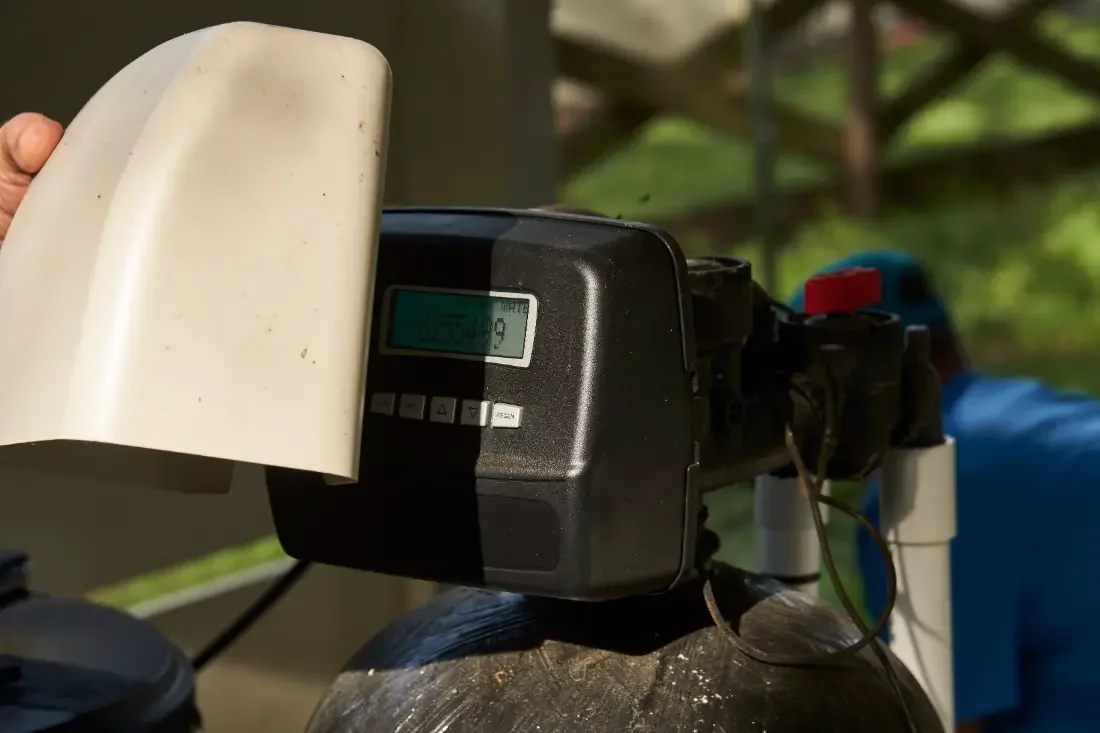
A key part of a well inspection involves testing the water well pump and related components. The pump should deliver water at a consistent pressure, and it should cycle on and off correctly based on household water use. The inspector checks the pressure tank to ensure it is responding properly and not waterlogged. They also assess the pressure switch, plumbing connections, and electrical wiring. Unusual noise, vibration, slow pressure recovery, or irregular cycling can indicate pump problems that must be addressed.
A flow test measures how much water the well can produce in a given period. Inspectors run water through an outdoor spigot or an indoor faucet and measure gallons per minute, along with pressure stability. If the well cannot sustain adequate flow, it may indicate reduced well yield, pump inefficiency, or water table issues. Homes that rely on multiple bathrooms, irrigation systems, or large appliances require higher flow rates to avoid shortages.
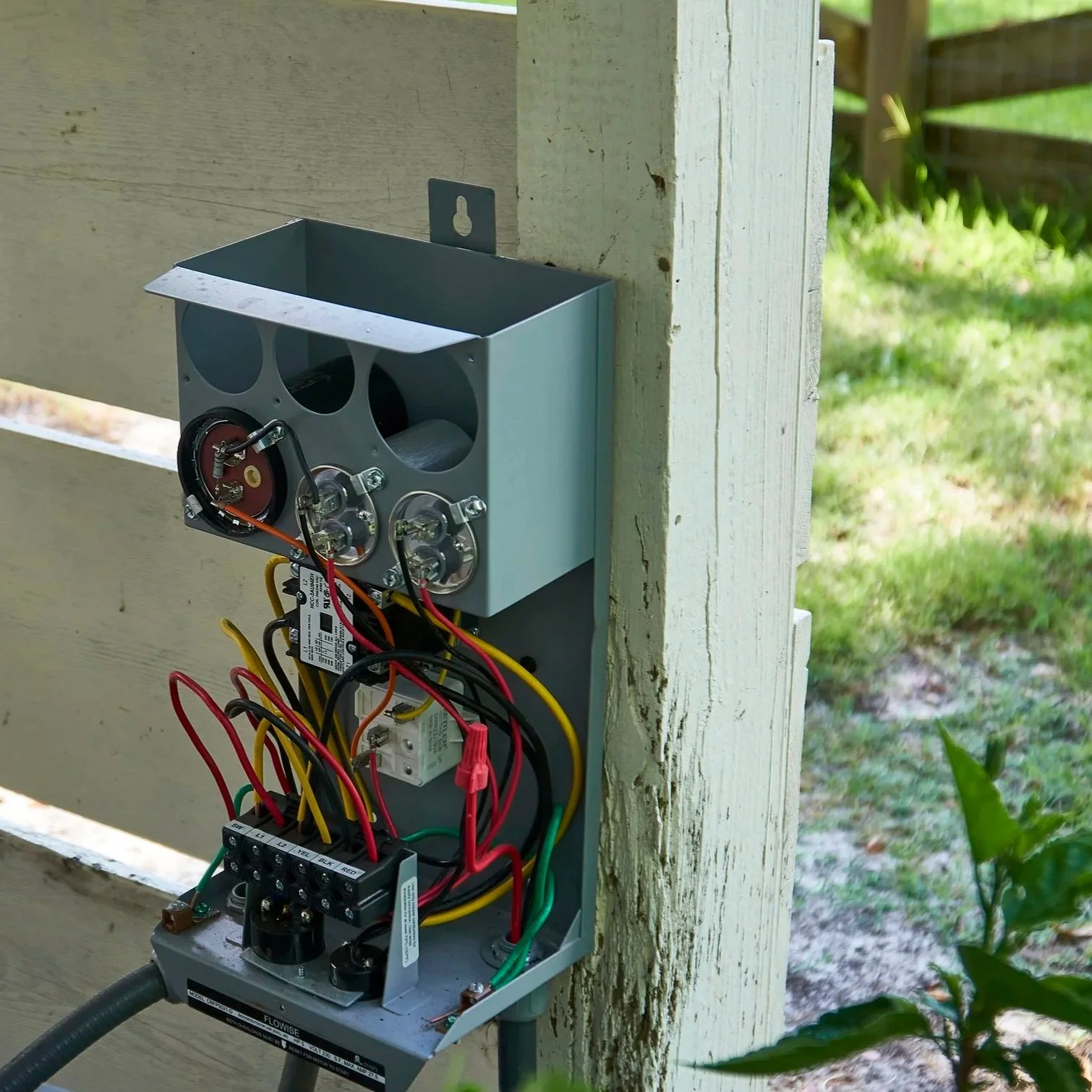
Electrical components are also reviewed closely. Wiring, switches, grounding, and connectors must meet safety standards and operate correctly. Electrical faults can cause pump burnout or create hazards, so inspectors pay careful attention to these details.
Collecting Water Samples And Conducting Quality Tests
Water quality testing is one of the most important parts of a well inspection. Even clear and good-tasting water may contain harmful contaminants that are not visible. Inspectors take water samples using proper sanitary techniques and send them to certified laboratories. A standard test includes total coliform bacteria and E. coli. These indicate whether the well is influenced by surface contamination. Nitrates and nitrites are tested in agricultural regions because fertilizer, manure, or septic systems can increase their levels.
Depending on local geology, additional tests for arsenic, lead, manganese, iron, or volatile organic compounds may be included. In certain regions, radon testing is recommended. Water hardness or mineral content may also be evaluated when homeowners experience issues with plumbing scale or staining. Once lab results are completed, inspectors incorporate the findings into the final report, along with professional recommendations for treatment if problems are detected.
Assessing Well Capacity And Long-Term Performance
A well inspection does not only evaluate current performance. It helps predict how the system may behave in the future. Inspectors look for signs that the well’s yield is declining, such as slow recovery after the flow test or inconsistent pressure. They check whether the water well pump is aging, oversized, or undersized for the depth and capacity of the well. Wear on pump components may suggest an upcoming failure. Electrical readings may reveal whether the pump is drawing too much power, which can be a sign of strain.
If the well is shallow or located in an area with fluctuating groundwater levels, inspectors may recommend monitoring seasonal patterns. Properties that rely heavily on irrigation or have additional outbuildings may need a pump or pressure system upgrade. The inspection identifies these needs early so homeowners can plan maintenance instead of responding to emergencies.
Documenting Findings And Providing Recommendations
At the end of the inspection, homeowners receive a detailed report. The report includes structural findings at the wellhead, pump, and pressure system performance, electrical evaluations, water quality test results, and recommendations for repairs, treatment, or maintenance. Photos and measurements may be included. A good inspection report serves as a guide for keeping the well system in optimal condition. It also provides valuable documentation for real estate transactions, insurance questions, or future service needs.
Understanding When To Schedule A Well Inspection
A yearly inspection is the general recommendation. However, certain conditions call for additional inspections. A sudden drop in water pressure, air in the plumbing lines, or cloudy or discolored water suggests equipment or contamination issues. Flooding, heavy rain, drought, earthquakes, or construction near the property may disturb the well or groundwater flow. After major pump repairs or electrical updates, a follow-up inspection helps verify that the system is functioning correctly. Anyone purchasing or selling a home with a well should schedule a full inspection with a certified professional to verify that the well and water well pump are safe and reliable.
Geographic Factors That Influence Well Condition
Local conditions play a significant role in well performance. Homes located near farmland may experience agricultural impacts such as elevated nitrates. Coastal regions may face saltwater intrusion. Rocky or mineral-rich areas may experience hardness or naturally high levels of arsenic or other minerals. In forested or rural areas, the proximity of septic systems or livestock pens influences contamination risk. A well inspection helps identify these regional influences and guides the choice of treatment systems or maintenance schedules. Technicians familiar with local geology and seasonal patterns provide the best insight into long-term well management.
Why Professional Well And Pump Services Matter
Working with qualified professionals provides expertise that homeowners cannot obtain through simple observation. Certified technicians understand how well depth, pump type, pressure settings, and water chemistry interact. They use specialized tools to measure electrical load, flow rate, pressure patterns, and contamination risks. They also understand regional regulations and local standards for well construction, water testing, and pump installation.
A water well pump inspection performed by trained technicians reduces the chance of surprise failures and helps extend the lifespan of equipment. When repairs or upgrades are needed, professionals can guide homeowners through options and recommend solutions tailored to the property.
Frequently Asked Questions
What does a standard well inspection include?
It includes reviewing the wellhead, casing, pump, pressure system, electrical components, water flow and pressure, and water quality tests for bacteria and contaminants.
How often should a well be inspected?
A complete inspection is recommended once per year. Additional inspections are advised when water quality changes, pressure drops, or environmental events affect the property.
Can a well pass inspection if only minor issues are found?
Yes. Minor issues, such as a loose cap or minor corrosion, can still allow the well to pass, but repairs are often recommended to prevent future problems.
What are the common signs that a water well pump needs service?
Signs include inconsistent pressure, frequent pump cycling, unusual noise, cloudy or discolored water, or an increase in electrical usage.
Are inspections required when buying a home with a well?
Yes. A complete well inspection is strongly advised before property purchase to verify that the water is safe and the system is functioning properly.
Final Thoughts On Water Well Pump Inspections
A private well provides reliable water when the system is inspected, maintained, and serviced by trained professionals. Without regular evaluation, contamination, equipment failure, or declining well yield may go unnoticed until the problem becomes severe. A professional water well pump inspection protects the property, the water supply, and the long-term health of the home. If your property relies on a well, scheduling a yearly inspection remains an essential step in maintaining clean, dependable water for your household.
Pump Repair Services provides residential and commercial well pump repair, transfer pump repair, and custom water treatment system services in the Orlando area. (Sorry, no pool pumps or sewer pumps.) We offer 24-hour emergency service. Call us to learn more.