Water Safety and Wells: Ensuring Clean and Safe Drinking Water
Water is essential. For households using private wells, well water can be a reliable and clean source, but it isn’t without risks. As a professional well service provider, we know that keeping well water safe takes more than just a pump, casing, or filter. It requires regular testing, proper construction, routine inspections, and treatment based on sound scientific standards. The goal is simple: clean, safe drinking water that supports the long-term health of families and communities.
Challenges To Maintaining Clean and Safe Well Water
Wells draw from groundwater stored in underground aquifers. Groundwater often starts out well protected, but both environmental and human factors can affect its purity. Wells near septic systems, livestock areas, fertilizer storage, or fuel tanks are especially at risk of contamination. Heavy rains, flooding, or poor drainage can carry surface pollutants down into shallow aquifers. In agricultural areas, pesticides and nitrates pose extra risks. Older wells with cracked casings or worn seals may let contaminated surface water in.
Natural contaminants, like arsenic, radon, and dissolved minerals, can also enter the water depending on the local soil and rock formations. Microbial contamination from faecal matter remains one of the most common and serious risks to drinking water. When wells lack proper construction or protection, even groundwater can become unsafe.
Why Well Design and Construction Matter
The construction of a well helps determine its long-term safety. Wells are generally drilled, bored, or driven, and each method offers different levels of protection. Drilled wells reach deeper aquifers and include strong casing and sealed wellheads that reduce the chance of surface contamination. Bored or driven wells, which are often shallower, may draw from less protected water sources and need closer monitoring. Proper casing must extend above ground and be sealed to block surface runoff. The ground around the wellhead should slope away from the casing to prevent puddling of rainwater. A safe distance between the well and possible contamination sources is critical. Many guidelines recommend a minimum setback from septic systems, agricultural yards, manure piles, and fuel storage. When wells are installed with these protective measures, the chances of keeping groundwater clean increase significantly.
The Importance of Regular Water Testing and Surveillance
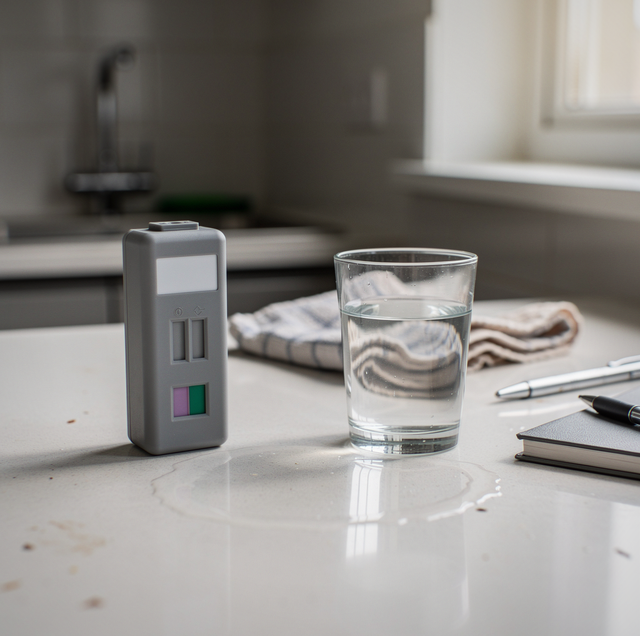
Private wells are not regulated by public utilities. For this reason, well owners must take an active role in monitoring water quality. Testing your water once a year is recommended, though you may need to test more often after storms, flooding, construction, land disturbances, or if you notice changes in taste or appearance. Annual testing usually checks for coliform bacteria, E. coli, nitrates, nitrites, and other contaminants common in your area, such as arsenic, radon, or heavy metals.
If any test shows contamination, treat the water right away and retest after the treatment is complete. Households in areas with changing geology or widespread agriculture may need a more comprehensive testing schedule. Following a structured risk management approach, like the Water Safety Plans used in commercial systems, can help keep your water safe.
This approach looks at every step from groundwater source to tap and identifies risks, safeguards, and maintenance schedules.
Treatment and Safety Options for Contaminated Well Water
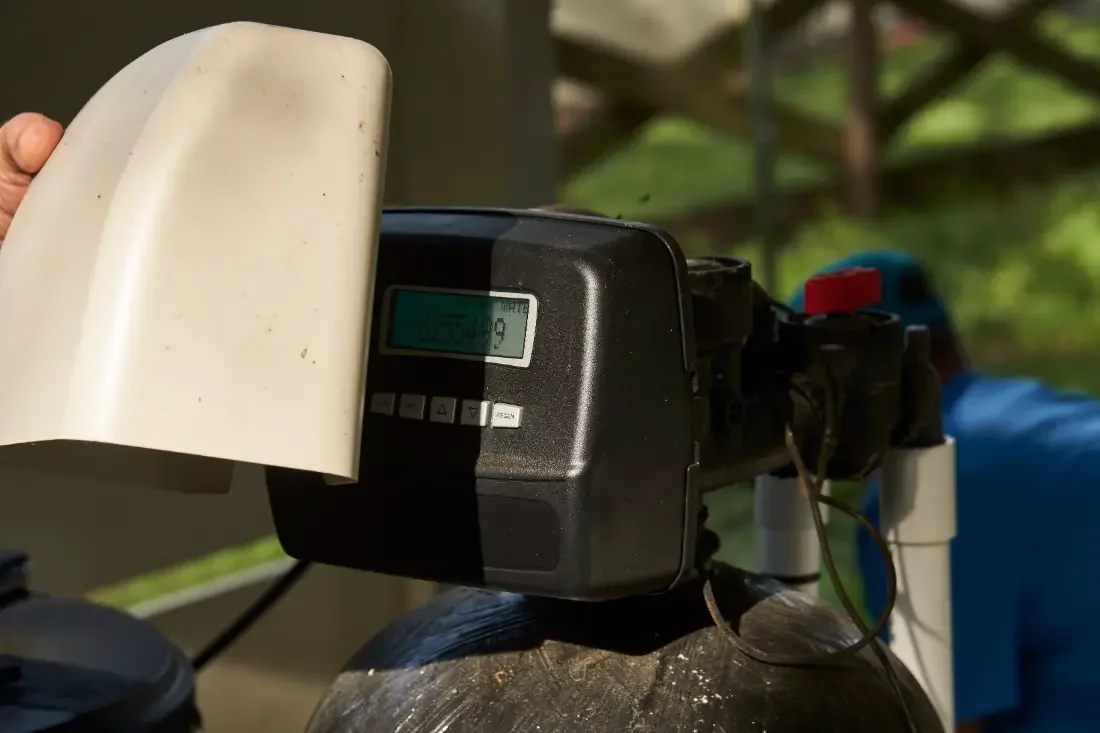
When contaminants are identified, the proper treatment method depends on the type of contamination. Bacteria require disinfection technologies such as ultraviolet light or chlorination. Chemicals and organic compounds are often managed with activated carbon filtration. Nitrates and certain heavy metals may require reverse osmosis. Radon may call for specialized aeration treatment. In many homes, a combination of filters and disinfection provides the best protection. Treatment systems need regular service, replacement filters, and performance checks to remain effective. Once contaminants are reduced to safe levels, owners should document the treatment steps and continue to test the water routinely. Wells that are no longer used must be properly sealed according to local regulations to prevent contamination of connected groundwater sources and to reduce physical hazards.
The Role of Water Quality Guidelines and Health Standards
Global health organizations recommend a structured framework for drinking water safety. Guidelines include maintaining water that is safe, acceptable in taste and appearance, and reliably available. Each community or region sets standards based on local environmental conditions and health concerns. Regular monitoring, clear health-based targets, and proactive risk management are key elements. Even though private wells may not fall under national or state regulatory programs, adopting similar practices adds a critical layer of protection. Following scientifically based guidelines, using regular surveillance testing, and maintaining accurate records helps well owners maintain confidence in the safety of their drinking water.
Why Private Well Owners Carry the Responsibility
Public water systems must meet strict regulations and issue annual water quality reports. Private wells do not fall under those requirements. Owners of private wells control the safety of their water supply. Without consistent testing and proper maintenance, contamination can go unnoticed until it becomes a health problem. Safe drinking water supports overall wellness, protects children, and reduces the risk of waterborne illnesses. Treating well care as part of general home safety helps safeguard the household. It becomes similar to maintaining a septic system, installing smoke alarms, or scheduling heating system service.
How Professional Well Services Support Safe Drinking Water
Working with professional technicians provides expertise that homeowners cannot easily reproduce on their own. Specialists inspect well integrity, identify vulnerabilities, and test for contaminants that are common in the region. Technicians recommend treatment systems based on the contaminants found and the needs of the property. They also install and maintain filters, disinfection systems, radon reduction systems, and other equipment. Professional support includes inspections of the wellhead, casing, pump, and pressure system. Records of tests and service help track water quality trends. Reliable service providers guide well owners through long-term maintenance strategies and safe well retirement when a well is no longer in use.
Understanding Local and Regional Influences
Groundwater quality varies widely based on location. Rural areas with high agricultural activity may face nitrate and pesticide concerns. Regions with rocky geology may experience naturally high mineral levels or the presence of arsenic or radon. Coastal zones can experience saltwater intrusion. Homes located near wetlands, marshes, or flood-prone areas may be more vulnerable after heavy rain. Understanding local patterns helps determine testing schedules, treatment needs, and protective steps for well construction. Professional services familiar with local geology and land use patterns provide guidance that supports safe water in each unique area.
Protective Measures for Everyday Well Use
Beyond construction and testing, simple daily habits help preserve water quality. Keeping the well area clean, preventing vehicle traffic near the wellhead, and avoiding storage of chemicals or fertilizers near the site reduce risks. Redirecting gutters and drainage away from the well casing helps prevent water pooling. Checking the cap periodically for cracks, pests, or looseness adds an extra level of assurance. If the property includes multiple wells or abandoned wells, proper sealing and documentation prevent old wells from becoming contamination channels. A combination of inspections, testing, and treatment creates a reliable safety barrier.
Environmental Conditions That Influence Well Water Safety
Seasonal patterns affect groundwater. Heavy rains may wash pollutants into shallow aquifers. Drought conditions can lower the water table, pulling in minerals or contaminants that would otherwise remain deeper underground. Freezing temperatures can damage shallow well components. Changes in nearby land use, such as construction, new septic installations, or agricultural expansion, may influence groundwater flow. Homeowners who monitor environmental changes and communicate with their well service providers gain a better understanding of when to increase testing or schedule inspections. Staying ahead of environmental change helps maintain uninterrupted access to clean water.
Safe Water From Your Well and Long-Term Health
Clean and safe drinking water supports health, hygiene, and quality of life. When wells are correctly constructed, tested regularly, maintained by professionals, and treated when needed, they provide reliable drinking water for decades. Poorly maintained wells can put families at risk and may also affect nearby groundwater resources. A proactive approach helps prevent contamination and protects homes and communities. Professional services bring local knowledge, expert testing, and treatment options that support safe water year after year. When it is time for inspections, testing, maintenance, or treatment system installation, our team is ready to help maintain safe and dependable well water for the long term.
As a trusted quality well service with over three decades of experience, Pump Repair Services understand how to install and repair well pumps in Orlando. Our trained and certified technicians specialize in well pump repair, transfer pump repair, irrigation pump repair, and centrifugal pump repair. We can meticulously handle all pump-related issues. Call us for the best service experience.