Solving Hard Water Problems With a Water Softener
Challenging water conditions can impact many homes and businesses in different regions, often becoming noticeable only after damage or inefficiency has set in. Naturally occurring minerals like calcium and magnesium can build up when levels are high, leading to clogged pipes, reduced appliance efficiency, dry skin, dull hair, and shorter equipment lifespan. Installing a water softener offers a practical solution, helping to protect plumbing, improve appliance performance, and enhance the overall quality of a property's water system.
As a professional services provider, we help clients understand the benefits of installing and maintaining a water softener, enabling them to protect their plumbing equipment, reduce long-term costs, and enjoy cleaner, more consistent water quality.
Understanding Hard Water Problems
Challenging water problems occur when minerals accumulate in water as it moves through soil and rock. These minerals bind to surfaces, form scale inside pipes, and interfere with appliance function. Over time, this buildup restricts water flow and reduces efficiency. Hard water causes visible stains on fixtures, cloudy film on dishes, scale on showerheads, and a rough,
residue-laden buildup on fabrics. Many property owners notice higher energy bills because appliances must work harder to perform everyday tasks. Water heaters, in particular, use more energy when scale collects on heating surfaces.
Hard water affects more than just the appearance of plumbing fixtures. It can shorten the life of dishwashers, washing machines, and water heaters. It can also reduce flow in irrigation systems and affect how cleaning products perform. In some regions, mineral levels vary seasonally, which creates fluctuating water quality. Understanding these problems highlights why many property owners turn to a water softener to stabilize water quality and protect their equipment.
How a Water Softener Works
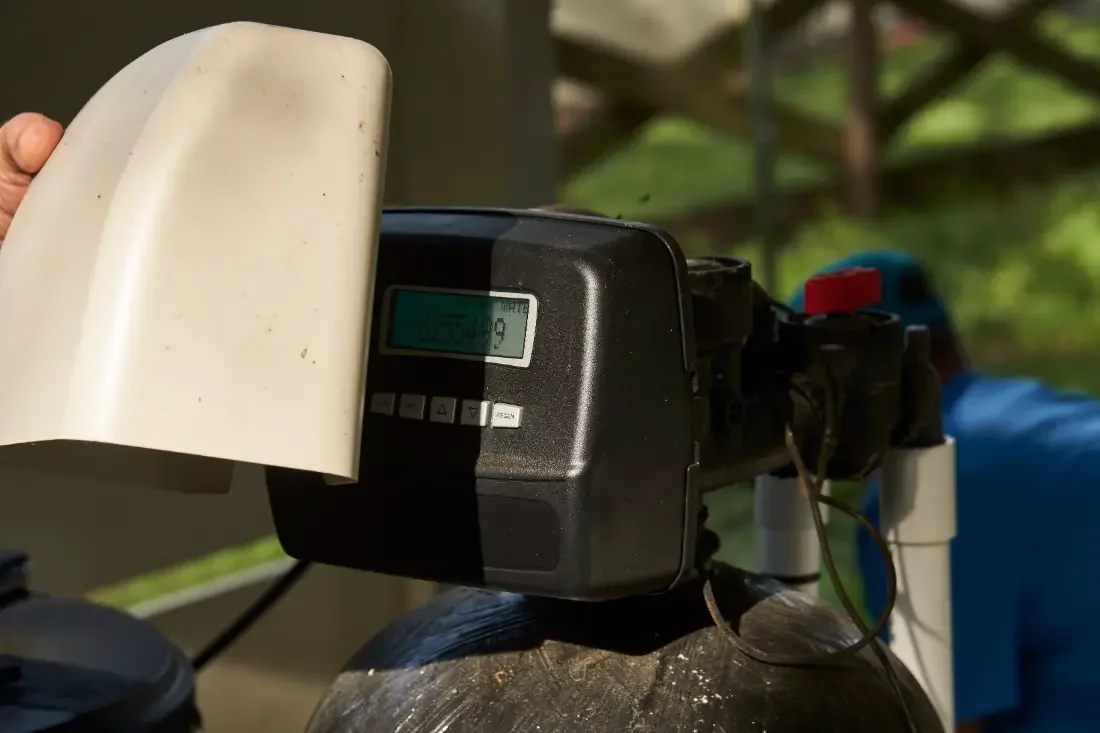
A water softener works by using a process called ion exchange to remove hardness from water. Inside the system is a tank filled with tiny resin beads that attract calcium and magnesium. As hard water flows through, the resin grabs these minerals and swaps them for sodium, softening the water before it reaches your pipes.
Over time, the resin accumulates minerals and needs to be refreshed. This happens during regeneration, when a brine solution flushes the resin, washing away the collected minerals and restoring its softening power. After regeneration, the system is ready to keep your water soft and your plumbing protected. Professional installation and setup ensure the system regenerates properly, uses correct salt levels, and maintains steady performance.
A water softener operates quietly and continuously in the background. Once installed, it provides a noticeable improvement in water quality throughout the home or business. Because the system protects plumbing and equipment, it supports long-term sustainability and efficiency across the entire property.
Benefits of Using a Water Softener
A water softener improves many aspects of daily life and long-term property maintenance. Softer water reduces scale buildup in pipes, helping maintain stronger water flow and reducing strain on pumps and water-heating systems. The appliances last longer and run more efficiently because they operate without mineral deposits interfering with performance. Water softeners help reduce energy use because heated surfaces remain cleaner and more efficient.
Softer water improves bathing and cleaning results. Soap and shampoo perform better, leaving skin and hair feeling smoother, laundry becomes softer and brighter because detergent works more effectively in soft water, and dishes come out cleaner, with no spots or film. Plumbing fixtures stay cleaner longer and require less scrubbing.
For commercial and industrial facilities, the benefits extend even further. Water-intensive processes run more efficiently with fewer maintenance interruptions. Equipment such as boilers, cooling towers, and manufacturing systems operates for more extended periods with fewer repairs. Reducing mineral buildup decreases downtime and lowers operating costs.
Protecting Plumbing Systems and Well Pumps
Hard water problems often affect the performance of well pumps and other critical components in groundwater-based systems. Mineral buildup can accumulate inside the pump, pipes, and pressure tank. This buildup restricts flow and forces the pump to work harder. Increased wear shortens pump life and raises energy consumption.
A water softener helps reduce long-term strain by minimizing deposits inside the system. Softened water flows more smoothly and leaves fewer minerals behind. This improves pump performance and reduces the likelihood of premature failure. Property owners with sound systems often notice fewer service calls and more predictable water pressure after installing a softener.
How Hard Water Affects Appliances
Many appliances rely on clean, mineral-free water for optimal performance. Water heaters accumulate scale over time, which reduces heating efficiency. Dishwashers and washing machines develop mineral deposits that interfere with cleaning cycles. Coffee makers, humidifiers, and other small appliances also face challenging water issues.
Softened water helps appliances operate at their intended efficiency. Because hard minerals do not accumulate inside the appliance, components remain cleaner and last longer. Property owners often see extended equipment lifespan and lower energy bills because appliances do not work as hard to achieve the same results.
Improving Water Heater Efficiency
Water heaters use more energy when mineral buildup accumulates on heating elements or inside the tank. Hard water slows heat transfer, which forces the heater to run longer and consume more power. The buildup also reduces available tank volume and may cause the system to overheat.
A water softener helps reduce these problems by preventing scale accumulation. Water heaters remain clean for longer periods, operate more efficiently, and require fewer repairs. This is especially important in regions with high mineral levels, where water heaters face increased strain.
Impacts on Laundry and Cleaning
Hard water reduces the effectiveness of soap and detergents because minerals interact with cleaning products, making water less able to dissolve dirt and grime. Clothes can feel rough after washing, and fabrics can appear dull or worn.
Softer water improves cleaning performance, less detergent is required for the same results, and fabrics come out softer and brighter. Surfaces throughout the property stay cleaner because soap rinses away more easily. Property owners often notice that cleaning becomes easier and faster once a water softener is installed.
Local and Regional Factors That Influence Water Hardness
Water hardness can vary greatly depending on local geology. Areas with soil rich in limestone or minerals typically have higher levels of calcium and magnesium in their groundwater. Seasonal changes can also affect hardness. During periods of drought, mineral concentrations can increase as groundwater levels drop, while regions with variable rainfall may experience fluctuations in hardness throughout the year.
It is essential to understand local conditions in order to select the right water softener. Professional testing measures hardness levels and ensures that the system is tailored to the property's needs. Proper sizing not only improves efficiency but also reduces maintenance over time.
Professional Installation and Maintenance
A water softener performs best when installed and maintained by trained professionals. Installation includes selecting the correct system size, connecting the softener to the plumbing system, programming regeneration settings, and testing for proper flow. Incorrect installation may reduce system performance or cause plumbing issues.
Regular maintenance includes refilling salt, inspecting valves, cleaning components, and testing system performance. Professional service ensures the system continues to operate as intended, and maintenance also helps identify any changes in water quality that may require adjustments.
When to Consider Replacing or Upgrading a Water Softener
Older water softeners may not perform as efficiently as newer models. Advancements in resin technology, regeneration methods, and control systems have made modern softeners more efficient and easier to maintain. Signs that replacement may be needed include inconsistent water quality, increased salt use, leaking components, or reduced flow.
Upgrading to a new water softener often improves performance and reduces long-term costs. A professional evaluation helps determine whether repair or replacement is the best option.
Conclusion
Hard water problems can affect many aspects of daily life, from the condition of plumbing systems to the performance of appliances. A water softener provides an effective, reliable solution by reducing the mineral content of your water supply. By installing and maintaining a water softener, you can protect your plumbing equipment, improve cleaning results, enhance appliance efficiency, and support long-term property value.
As a professional services provider, we help property owners determine the right softener for their needs and ensure that the system continues to operate efficiently for years. A well-chosen and properly maintained water softener offers consistent benefits that extend across the entire property and contribute to cleaner, more reliable water.
Pump Repair Services excels in installing and maintaining quality water treatment systems in Orlando. Our custom-built systems help improve water quality and lower operating expenses. We offer 24/7 emergency service. Call today!