What is a Pedestal Transfer Pump?
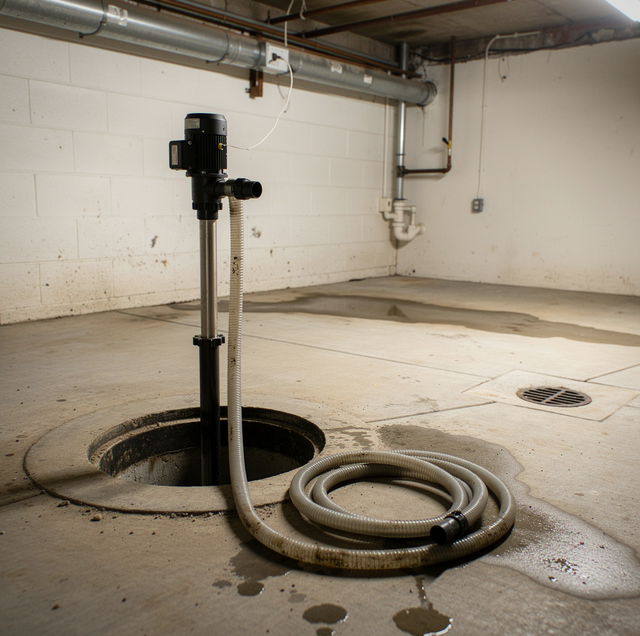
A pedestal pump is a dependable and versatile tool designed for moving water or other approved liquids across residential, commercial, agricultural, and industrial settings. The name "pedestal pump" comes from its distinctive design, where the motor is positioned above the ground on a pedestal, while the pumping mechanism operates below the liquid line. This configuration allows the pump to function without submersion, simplifying maintenance and enhancing the longevity of the equipment.
As experts in pump services, we work with a variety of pumping systems, and pedestal transfer pumps remain a preferred choice due to their accessibility, ease of service, and reliable performance across a wide range of applications.
Understanding the function of a pedestal pump is crucial for homeowners, property managers, and business owners when it comes to making informed decisions about installation, maintenance, and long-term operation. These pumps are engineered to move liquids efficiently and safely, making them ideal for water transfer tasks where reliability and easy access to components are essential. Whether utilized for draining areas, moving water to storage tanks, or supporting day-to-day operations, a pedestal pump consistently delivers steady flow and dependable service.
How a Pedestal Pump Works
A pedestal pump has two main sections. The motor sits on a stand or pedestal above ground, where it stays dry and accessible. The impeller section is located at the bottom of a long column that is lowered into the water source. When the pump is activated, the motor drives the impeller through a shaft. The impeller creates suction at the base of the pump, pulling water up through the column and pushing it out through a discharge pipe or hose.
This separation of components provides several advantages. Because the motor remains above ground, it stays cooler and is less exposed to moisture. This reduces wear and extends the life of the system. The design also makes it easier to repair or replace parts without removing the entire pump assembly from the water source. The long vertical column protects the shaft from damage and aligns the impeller for efficient pumping.
Pedestal pumps are known for their longevity. With proper installation and maintenance, they can perform for many years. The motor remains visible and accessible, which makes inspections simple and allows for quick adjustments. These features make pedestal pumps a dependable choice for water transfer work in both residential and commercial settings.
Applications for Pedestal Pumps
Pedestal pumps serve a wide variety of needs. Homeowners use them for draining flooded areas, moving water from basements, transferring water from storage barrels, and supporting irrigation projects. These pumps are also useful for filling or emptying small ponds, maintaining water features, and assisting with seasonal yard preparation.
In commercial settings, pedestal pumps support building maintenance, utility water transfer, equipment washing, and drainage control. They are often used in warehouses, shops, and facilities that need to move water quickly and efficiently. Municipal operations use pedestal pumps for temporary or permanent water transfer tasks. Agricultural users rely on these pumps to supply water for animals, move water to remote fields, or manage drainage.
The flexibility of pedestal pumps comes from their ability to operate in a wide range of settings without full submersion. Their accessibility and durability make them a preferred choice for applications that require frequent service or monitoring.
Benefits of Using a Pedestal Pump
Pedestal pumps are popular for many reasons, especially among professionals who value equipment that provides strong performance and easy access for maintenance.
Good Accessibility for Repair
Since the motor sits above water, inspections and repairs are easier. Technicians can evaluate the motor, switch, wiring, and bearings without removing the pump.
Improved Motor Cooling
Because the motor is not submerged, it cools through air circulation. This reduces strain and supports longer motor life.
Strong Performance in Deep Water
The long column design allows the impeller to operate at a significant depth while the motor remains positioned safely above water.
Durability
Pedestal pumps do not expose the motor to water, sediment, or debris. This improves durability and reduces the chance of water-related electrical failure.
Consistent Output
They maintain a steady flow for extended periods, which makes them reliable for tasks involving continuous pumping.
Many property owners choose pedestal pumps because they do not have to balance ease of service with performance. The design provides both, which is rare among pump types.
Considerations When Selecting a Pedestal Pump
Choosing the right pedestal pump helps ensure adequate performance, safe operation, and long equipment life. Several factors must be considered before selecting a pump for a specific application.
Flow and Lift Requirements
Every job requires a specific flow rate and lift height. Homes and businesses may need higher flow for irrigation or quick drainage. The vertical distance from source to discharge influences which pump is appropriate.
Liquid Characteristics
While most pedestal pumps are designed for clean water, some can handle water with minor sediment. If you're dealing with heavy debris or chemicals, however, you'll need a different type of pump.
Power Source
Pedestal pumps come in both electric and gas-powered versions. Electric pumps are usually the go-to for indoor and utility use, while gas-powered models are better suited for outdoor environments or places without electrical access.
Hose Diameter
The size of the hose or discharge pipe plays a big role in performance. Narrow hoses can reduce water flow and create more back pressure. Choosing the right hose diameter is key to keeping everything running efficiently.
Environmental Conditions
The local climate and conditions at your site can affect which pump is best. In areas with cold winters, you'll need pumps that are protected from freezing. And for regions with heavy rainfall or seasonal flooding, pumps with a higher capacity might be necessary to handle the extra water flow.
A professional assessment helps determine the right pump for the job. Installing an undersized pump can cause poor performance. Installing an oversized pump can lead to wasted energy and unnecessary wear.
How Professionals Install and Maintain Pedestal Pumps
Pedestal pump installation should be performed by trained technicians. Correct setup influences the performance, safety, and the equipment longevity. Professionals evaluate the site, determine the necessary lift and flow, and confirm the correct hose and discharge placement. They secure the pedestal, position the column properly, and test the system for smooth operation.
Maintenance involves checking the motor, lubricating bearings when required, inspecting wiring, evaluating impeller condition, and confirming that the pump remains free of debris. A professional service schedule helps identify minor issues before they become serious. Constant care keeps performance strong and reduces the chance of emergency breakdowns.
Local and Regional Factors That Influence Pump Choice
Geographic and environmental factors impact pedestal pump operation. Properties near rivers or lakes may use pumps more frequently. Areas with high sediment content may require additional filtration. Rural regions without municipal water often rely on pedestal pumps for water transfer across long distances. Coastal areas may need corrosion-resistant materials. Professional knowledge of local conditions helps ensure each pump performs well in the specific environment it serves.
Signs a Pedestal Pump Requires Service
Like all mechanical equipment, pedestal pumps show signs of wear when they need attention. Reduced flow, noisy operation, overheating, difficulty starting, or interrupted operation indicate that service is necessary. A pump that vibrates excessively or shows signs of leaking seals should be inspected. Addressing small problems early helps protect the motor and impeller and supports long-term reliability.
Conclusion
A pedestal pump is an exceptionally versatile and robust solution for water transfer across various applications, from residential and commercial settings to agricultural and industrial environments. Its design elevates the motor above ground, ensuring both ease of access and prolonged operational life, while the impeller operates at depth, facilitating efficient water movement.
When appropriately selected and maintained by qualified professionals, a pedestal pump can provide decades of dependable service. Whether employed for drainage, irrigation, equipment cleaning, or utility transfer, it delivers consistent, high-performance results across diverse conditions. Expert installation and ongoing maintenance are key to ensuring that the pump continues to operate safely, efficiently, and reliably throughout its lifespan.
Pump Repair Services provides residential and commercial well pump repair, transfer pump repair, and custom water treatment system services in the Orlando area. (Sorry, no pool pumps or sewer pumps.) We offer 24-hour emergency service. Call us to learn more.