Installation Benefits Of High-Efficiency Water Softening Systems
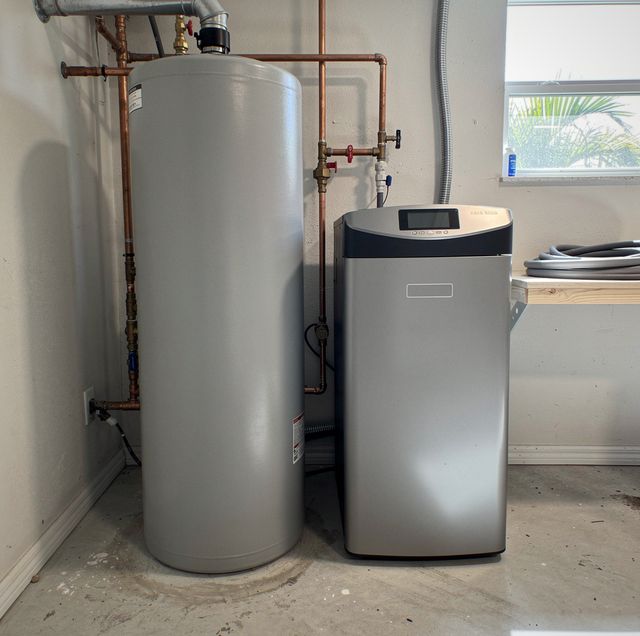
Water might be the universal solvent, but when it's hauling a load of calcium and magnesium, it becomes more of a universal saboteur. Hard water has a long track record of being the party crasher of plumbing, heating, and industrial systems. Enter high-efficiency water softeners—the less flashy but infinitely more helpful cousins of old-school softening units. These modern systems don't just remove hardness; they do it with precision, resourcefulness, and surprisingly good manners.
Professional installation of a high-efficiency water softener isn't just a box checked off during a facility upgrade. It's a strategic move that affects everything from energy usage and maintenance schedules to equipment lifespan and even that unexplained squeal from your boiler.
Performance Without The Salt Avalanche
Traditional softeners had one speed: "brine blast." They regenerated on a timer, whether the resin needed it or not. It was like changing the oil in your car every week just to be safe—wasteful, expensive, and mildly exhausting. High-efficiency systems, however, use demand-initiated regeneration. That means they base their cycles on actual water use, not wishful thinking or a calendar on the wall.
Professionals calibrate these systems during installation to ensure a precise fit for the application. Whether it's a commercial kitchen, an apartment complex, or a high-volume manufacturing line, the softener works only as hard as necessary. The result is less salt, less water, and far less time spent listening to regeneration cycles at two a.m.
Water Savings That Add Up Fast
High-efficiency water softeners are polite. They don't waste water during regeneration, and they treat only the volume necessary. That's not just a win for the environment—it's a win for the water bill. Especially in places where water rates are more of a threat than a suggestion.
Professionals design systems to maximize resin usage while minimizing rinse cycles. By using advanced metering, flow sensing, and variable brining, these units reduce rinse water by up to 50 percent compared to standard models. Over a year, that translates into thousands of gallons not sent down the drain.
That extra water stays in the system, where it belongs—keeping boilers happy, pipes clean, and the maintenance crew from throwing wrenches in frustration.
Smarter Systems Make Fewer Mistakes
High-efficiency softeners have brains. Not literal ones, thankfully, but digital controllers that track flow, hardness levels, regeneration history, and even salt usage. The days of guesswork and "Let's just add more salt and hope for the best" are over.
Professionals take full advantage of these smart controls during installation. They program custom cycles, set alarm thresholds, and synchronize the softener with other on-site water treatment systems. Some units even come with Wi-Fi or Bluetooth connectivity, allowing remote monitoring and alerts.
If the system stops regenerating correctly or begins bypassing hardness, it won't quietly make things worse for weeks. It'll report the issue, and someone will come fix it before scale becomes a five-letter word no one wants to say out loud.
Extended Equipment Lifespan
Hard water wears out equipment like sand in an engine. It coats heating elements, clogs pipes, and causes valves to seize at the worst possible moment. Installing a high-efficiency water softener acts like sending the water through etiquette school—it stops the rudeness before it even starts.
Professionals install softeners upstream of critical systems like boilers, dishwashers, cooling towers, and reverse osmosis units. The goal isn't just soft water—it's system protection. When scale isn't forming inside pipes and heat exchangers, everything runs more smoothly, consumes less energy, and lasts significantly longer.
That's not a happy coincidence—it's predictable, measurable, and usually written into the ROI analysis.
Reduced Energy Use Across The Board
Scale buildup acts like insulation in the worst possible way. In water heaters, just a 1/8" layer of scale can increase energy consumption by 25 percent or more. With a high-efficiency softener in place, heat transfer surfaces stay clean, so equipment doesn't have to work overtime to reach the same temperatures.
Professionals strategically position softeners to deliver softened water to the most energy-sensitive systems. The return is immediate: faster heat transfer, shorter cycle times, and lower energy bills.
Whether it's gas, electric, or solar-assisted heating, soft water makes the system's job easier. Less effort means less energy. And less energy means everyone—especially the utility bill payer—is in a better mood.
Smaller Footprint, Bigger Output
High-efficiency water softeners aren't just clever—they're compact. New designs allow for higher capacity in a smaller form factor, thanks to improved resin technology, smarter control valves, and more efficient flow paths.
Professionals use these space-saving features to tuck softeners into tight corners, retrofit crowded mechanical rooms, and squeeze performance into places where legacy systems wouldn't fit without knocking down a wall.
Smaller systems don't mean sacrificing flow rate or capacity. Many high-efficiency units can treat thousands of gallons between regenerations while maintaining high output pressure. They just do it without needing a city block to spread out.
Lower Salt Costs Without Compromising Quality
Salt doesn't grow on trees—or if it does, someone's seriously bending the rules of geology. High-efficiency softeners reduce salt usage by using only what's necessary. Regeneration cycles are lean and customized. Brine concentration is optimized. And the resin is used to its full capacity before hitting reset.
Professionals select salt types based on system design, environmental regulations, and discharge limits. For facilities under sodium restrictions or brine discharge monitoring, potassium-based systems are also available and professionally configured to meet those needs.
The result is a fine-tuned system that treats water thoroughly without running through pallets of salt like it's a contest.
Less Maintenance, Fewer Breakdowns
Maintenance costs quietly add up over time. With traditional softeners, there might be frequent valve replacements, resin bed issues, clogged injectors, or never-ending regeneration problems. High-efficiency models, by contrast, are designed for smooth operation and minimal touchpoints.
Professionals install systems with high-quality components, corrosion-resistant tanks, and intuitive controls. They also established monitoring protocols and service reminders to spot problems early. No one wants to wake up to an unplanned shutdown or discover that hard water has returned because the softener decided to take a vacation.
With the right system in place, maintenance becomes predictable, and downtime becomes a distant memory.
Tailored Installations For Every Operation
No two facilities deal with water in quite the same way. A hotel has different needs than a brewery. A hospital's priorities aren't the same as a car wash. That's why professional installation isn't just about installing a unit—it's about designing a softening strategy that fits the environment.
Professionals assess water chemistry, flow rates, usage patterns, and space constraints. They recommend the right system type—single tank, dual alternating, progressive flow—and customize the setup for maximum performance. Skid-mounted options, modular expansions, and even mobile softening units are available for operations that change over time.
Cookie-cutter installations don't cut it. Precision planning is where high-efficiency systems really shine.
Compliance Without The Headaches
Water discharge regulations are getting tighter, and nobody wants to explain to an inspector why the brine tank is overflowing into a storm drain. High-efficiency water softeners make compliance easier by reducing waste, conserving resources, and integrating with broader environmental initiatives.
Professionals factor in local discharge limits, backflow prevention codes, and wastewater treatment compatibility. They install softeners with the appropriate valves, containment, and monitoring systems to meet health and safety requirements without anyone having to read through 43 pages of water policy.
Clean water in. Clean out the operation. And no meetings with the compliance office that involve awkward apologies.
High-Efficiency Isn't Optional Anymore
Efficiency isn't just a buzzword—it's the baseline. High-efficiency water softening systems reduce operational costs, improve reliability, protect valuable equipment, and support sustainability goals. Professional installation doesn't just make things work; it makes them work. It makes them work smarter.
Whether you're upgrading from an ancient beast of a softener or starting fresh in a new facility, the benefits of modern, high-efficiency systems show up early and stay for the long haul. Hard water might still exist, but with the right system in place, it never overstays its welcome.
Trust Pump Repair Services in Orlando, FL, for professional water filtration & treatment systems to ensure cleaner, safer, and better-tasting water for your home or business. We provide various filtration options to cover a variety of needs. Expect dependable performance and consistent flow. From initial water review to ongoing support and maintenance, we ensure 100% customer satisfaction. Call today to learn more.