Comparing Distillation Systems to Other Water Treatment Methods
Water may look clean at first glance, but its sparkling surface can hide a laundry list of unwanted ingredients. From heavy metals to chlorine byproducts to microbial stowaways, tap water often carries more than hydration. Most homeowners don't know exactly what's flowing from their faucets, and the idea of choosing a water treatment method feels like picking a favorite planet in another galaxy. It's overwhelming, oddly specific, and requires some guidance.
Professionals in water treatment approach the problem differently. The first step always involves learning what's actually in the water. Not every home suffers from the same contaminants, so deciding between distillation, reverse osmosis, activated carbon, or water softening starts with identifying what needs to be removed.
Distillation's Purity Philosophy
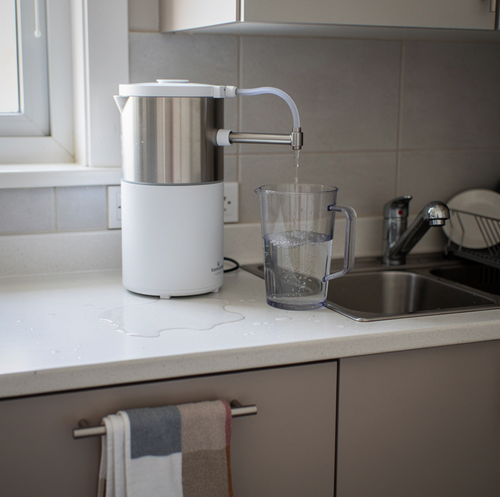
Distillation systems take a back-to-basics approach. Instead of forcing water through filters or membranes, they turn it into steam. The heat vaporizes the water, leaving contaminants behind, and the steam condenses into clean, drinkable liquid. The process is methodical, consistent, and unapologetically thorough.
No fancy polymers. No mysterious cartridges with expiration dates written in tiny print. Just physics doing what physics does best—separating substances based on boiling point. It's like sending the water on a transformative retreat, where it sheds its toxic baggage and returns clean and refreshed.
Activated Carbon's Charcoal Charm
Activated carbon filters are the charismatic extroverts of the water treatment world. They rely on adsorption—where contaminants stick to the surface of the carbon like gossip clinging to a rumor. They're great at reducing chlorine, unpleasant odors, some volatile organic compounds (VOCs), and certain pesticides.
Carbon filters are often the first line of defense in pitcher filters, faucet attachments, and some under-sink systems. They improve taste, make water smell less like a swimming pool, and work fast. The problem is, they don't handle heavy metals very well, and they ignore minerals like calcium and magnesium. They're great at surface-level charm, but not the deep-clean relationship water needs when it's truly troubled.
Reverse Osmosis and the Pressure Game
Reverse osmosis (RO) systems like to show off a little. They use pressure to push water through a semi-permeable membrane, leaving behind impurities. RO systems can remove fluoride, arsenic, nitrates, lead, and many other dissolved solids. They're effective and widely respected in the water treatment field.
The downside? They also tend to waste water—flushing more than they retain—and are sensitive to clogging. Maintenance involves regular filter changes, membrane checks, and the occasional homeowner grumble when the pressure drops. They're like the picky perfectionist who does amazing work but needs constant attention, snacks, and reassurance.
Water Softeners and the Mineral Shuffle
Water softeners don't purify water so much as negotiate with it. They target calcium and magnesium—minerals that cause scale buildup and dry skin—and trade them for sodium or potassium. The result is soft water that's kinder to plumbing, appliances, and hair.
The catch? They don't remove bacteria, heavy metals, or chemicals. Soft water may feel better in the shower, but it doesn't necessarily taste cleaner. Softeners are like the plumbing whisperers—solving one specific issue very well, but leaving the broader purification work to others.
Ultraviolet Systems and the Germ Showdown
UV systems specialize in microbial warfare. They don't remove anything from the water, but they deactivate bacteria, viruses, and protozoa using ultraviolet light. The microbes lose their ability to reproduce, effectively neutralizing them.
These systems are popular in homes with private wells or questionable water sources. They're excellent for safeguarding against biological contamination, but don't address metals, chemicals, or sediment. Think of UV treatment as the bouncer at the water club—keeping out the unruly microorganisms but not cleaning up the drinks.
Where Distillation Outshines
Distillation systems stand out when water needs to be stripped down to its purest form. They eliminate most contaminants in a single process—heavy metals, microbes, volatile chemicals, and minerals. There's no guesswork or filter combinations needed to handle various threats. Just steam, condensation, and clean water.
Distillation also excels in predictability. It doesn't rely on water pressure, and it's not finicky about temperature or pH. There are no membranes to foul, no multi-stage filters to track. It quietly does its job, producing consistent results day after day.
Professionals appreciate how reliable distillation is in environments where purity isn't optional. Labs, dental clinics, and households with sensitive health needs often depend on distillation because shortcuts aren't an option.
Where Other Methods Win
Other treatment methods do have their advantages. Activated carbon is cost-effective and fast. RO is highly efficient at removing dissolved solids. Softeners extend the life of appliances. UV systems safeguard against biological intrusions.
Sometimes, professionals even recommend combining methods. For example, a home might use a softener to tackle hardness, a UV filter to neutralize microbes, and a carbon filter to improve taste. It's a team effort, with each method playing a role based on the specific challenges of the local water supply.
But when purity is the goal, distillation remains the gold standard. It's slower, yes—but methodical beats hurried when it comes to drinking water.
Common Misconceptions About Distillation
Some people hear "distillation" and immediately picture a medieval alchemist boiling questionable potions over a fire. In reality, modern distillation systems are clean, efficient, and designed with safety in mind. No bubbling cauldrons. No smoky flasks.
There's also the idea that distilled water is "too pure" or "unhealthy" because it lacks minerals. That myth needs to be retired. Dietary minerals come from food, not water. Nobody's making up their calcium needs from tap water alone. And if someone misses the taste of minerals, a remineralization stage can add them back with precision.
Distillation also avoids some of the drawbacks of other methods. There's no chlorine byproduct release like with carbon. No pressure loss like with RO. No slippery shower water side effect from softeners. It simply creates a cleaner slate.
Maintenance Matters Across The Board
Every water treatment method needs care. Distillation systems require descaling and occasional cleaning. RO membranes need replacement. Carbon filters expire. UV lamps wear out. Softeners need salt refills. There's no magic system that runs forever untouched.
Professionals take the guesswork out of maintenance. They track filter changes, properly clean systems, and check for performance drops. A well-maintained system—regardless of type—delivers better water and peace of mind.
Making The Right Choice for the Situation
There's no one-size-fits-all answer in the world of water treatment. The ideal method depends on local water quality, household needs, space, budget, and lifestyle preferences. Some homes need volume more than purity. Others need microbial protection more than mineral removal.
Distillation systems often serve best in homes with serious water concerns, immunocompromised residents, or sensitive applications. They also appeal to those who value simplicity in performance. No cocktails of filters. No chemical treatments. Just water boiled, vaporized, and returned to its best self.
Professionals help navigate these decisions by matching water profiles with system strengths. They don't sell gimmicks. They recommend what works, what lasts, and what truly improves water quality—not just its taste.
Taking the Long View
Choosing a water treatment method isn't about instant gratification. It's about finding the right match for the long haul. Some systems shine for quick improvements. Others, like distillation, provide steady, consistent purification with fewer surprises along the way.
When the goal is purity, simplicity, and reliability, distillation systems make a strong case for being the right tool for the job. Not always the fastest. Not always the cheapest. But undeniably dependable when clean really means clean.
Trust Pump Repair Services in Orlando, FL, for professional water filtration & treatment systems to ensure cleaner, safer, and better-tasting water for your home or business. We provide various filtration options to cover a variety of needs. Expect dependable performance and consistent flow. From initial water review to ongoing support and maintenance, we ensure 100% customer satisfaction. Call today to learn more.