Diagnosing Performance Issues in Centrifugal Pumps
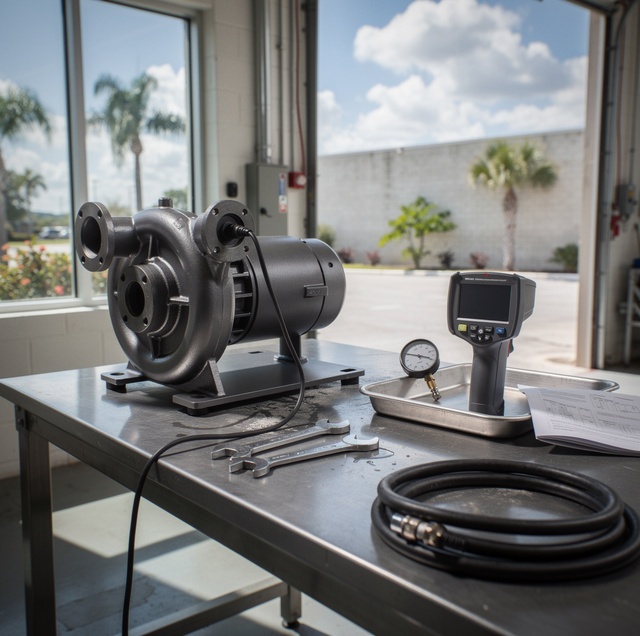
Centrifugal pumps play a starring role in many industrial, agricultural, and commercial operations. When these pumps slow down, lose pressure, or make unexpected noises, the entire workflow takes a hit. Diagnosing performance issues quickly and accurately keeps operations smooth and budgets happy. Professional centrifugal pump repair experts bring the skills and tools needed to solve problems before they spiral out of control.
Recognizing Signs of Trouble Early
Centrifugal pumps rarely shout their problems. Instead, they whisper through subtle signs—vibrations where none existed, irregular flow rates, or creeping drops in pressure. Operators might notice fluctuating output or an odd humming sound that wasn’t part of the pump’s playlist.
Skilled technicians spot these warning signs during routine inspections or service calls. Early diagnosis prevents minor hiccups from turning into costly breakdowns. Experience helps pros read these subtle cues like a mechanic tuning in to a car’s engine rattle.
Identifying Common Causes of Reduced Pump Performance
Reduced pump performance often originates from a handful of usual suspects. Worn impellers, clogged suction lines, or air trapped inside the pump disrupt smooth flow. Worn-out bearings create extra friction, causing motors to work harder.
Professional centrifugal pump repair teams systematically evaluate each component, peeling back layers to find root causes. They test suction and discharge pressures, inspect seals for leaks, and examine impeller condition under magnification. Knowing where to look saves time and prevents clients from incurring unnecessary replacement costs.
Pinpointing Cavitation Damage
Cavitation sounds like a sci-fi term, but plays villain in many pump troubles. It occurs when vapor bubbles form and collapse inside the pump, damaging impellers and metal surfaces. The telltale signs include rattling noises, vibrations, and sudden drops in flow or pressure.
Experienced technicians assess system pressures and flow rates to detect cavitation risks. They adjust pump operation parameters or recommend design modifications to minimize cavitation effects. Catching cavitation early protects expensive parts and avoids extended downtime.
Detecting Air Entrapment and Leaks
Air sneaking into the pump or suction line interferes with smooth operation. It causes noisy performance, uneven flow, and loss of pressure. Small leaks at seals or fittings allow air entry and also waste pumped fluids.
Experts perform pressure tests and visual inspections to find air entry points. Repairing leaks and replacing faulty seals restores the pump’s airtight integrity. Air-free operation means more consistent flow and less wear on moving parts.
Examining Mechanical Seal Conditions
Mechanical seals keep fluid inside the pump and contaminants outside. Worn or damaged seals cause leaks, reduced pressure, and sometimes environmental hazards if hazardous fluids escape.
Centrifugal pump repair pros measure seal wear, check alignment, and replace seals as needed during maintenance. Precise installation avoids leaks and protects internal components from damage caused by fluid loss or contamination.
Assessing Bearing Wear and Lubrication Status
Bearings might not make noise until they’re on the brink of collapse, but their condition drastically impacts pump performance. Excess friction from dry or worn bearings stresses motors and increases energy consumption.
Technicians evaluate bearings by checking temperature, vibration levels, and lubrication quality. Replacing bearings before catastrophic failure avoids collateral damage and keeps pumps running efficiently.
Evaluating Motor Health and Electrical Components
Electric motors power centrifugal pumps, so any motor trouble directly affects pump performance. Issues such as worn brushes, faulty wiring, or overheating motors reduce operational efficiency.
Specialized testing tools check motor winding resistance, insulation integrity, and current draw. Repair teams replace or repair electrical components to restore peak motor performance. Healthy motors translate into reliable pump operation.
Testing Suction and Discharge Line Conditions
Blocked or damaged suction and discharge lines choke pump efficiency. Sediment build-up, corrosion, or collapsed pipes restrict flow, forcing pumps to struggle.
Professional inspections include flow measurements and physical examination of piping. Cleaning, repairing, or replacing problematic sections improves water passage and pump efficiency.
Analyzing Pump Alignment and Installation
Improper alignment between the pump and motor shafts causes vibrations, noise, and premature wear on seals and bearings. Installation issues also contribute to misalignment.
Technicians use laser alignment tools to measure shaft positions and make precise adjustments. Correct alignment reduces stress on components and extends equipment life.
Understanding System Design and Operating Conditions
Sometimes performance issues arise not from the pump itself but from mismatched system design or operating conditions outside specifications. Pumps running beyond their intended capacity or with unsuitable fluids suffer damage and inefficiency.
Repair experts evaluate system parameters and advise on appropriate pump selection or adjustments to operating conditions. Tailoring solutions to specific environments keeps pumps happy and working their best.
Monitoring Pump Performance Over Time
One-time fixes don’t tell the whole story. Tracking pump performance metrics like flow rate, pressure, vibration, and temperature over time helps predict and prevent future failures.
Professional repair teams offer monitoring services and interpret data trends to plan timely maintenance or upgrades. Staying ahead of issues with data-driven insights enhances reliability and reduces surprise breakdowns.
Leveraging Advanced Diagnostic Tools
Modern centrifugal pump repair relies on sophisticated diagnostic tools such as vibration analyzers, thermal imaging cameras, and ultrasonic leak detectors. These tools reveal hidden problems invisible to the naked eye.
Technicians trained in advanced diagnostics identify subtle faults early, leading to targeted repairs and less downtime. Technology-powered service elevates traditional maintenance to precision care.
Collaborating with Clients for Accurate Diagnoses
Effective diagnosis benefits from open communication between service professionals and clients. Operators know their pumps’ quirks and operational history, while technicians bring technical expertise.
Sharing observations, recording unusual behaviors, and reporting changes help professionals narrow down causes quickly. Clients become partners in problem-solving, making repair processes more efficient and transparent.
Offering Practical Recommendations for Pump Care
Along with diagnosing problems, repair teams provide actionable advice to maintain pump health. Recommendations might include adjusting operating schedules, improving filtration systems, or upgrading worn components.
Sharing practical tips empowers clients to maintain pump performance between professional visits, reducing the likelihood of future issues.
Adapting Diagnostic Approaches to Various Industries
Centrifugal pumps serve diverse industries, from agriculture to manufacturing and municipal water systems. Each sector presents unique challenges and operating conditions.
Experienced centrifugal pump repair professionals customize diagnostic methods and solutions to fit industry-specific demands. Tailored service respects operational nuances and maximizes pump effectiveness.
Building Trust Through Reliable Diagnoses
Clients rely on repair professionals to provide accurate, honest assessments of pump health. Clear explanations of issues, options, and repair costs foster trust and satisfaction.
Reliable diagnosis forms the foundation of successful repair relationships and long-term equipment care. Professionalism paired with friendly service turns technical challenges into manageable solutions.
Reducing Downtime With Swift Problem Resolution
Once a problem diagnosis is complete, acting quickly reduces downtime and restores operations. Coordinating parts, labor, and scheduling requires expertise and flexibility.
Repair teams skilled in centrifugal pump repair minimize turnaround times by streamlining workflows and preparing solutions ahead of arrival. Clients appreciate the prompt response that keeps business humming.
Encouraging Preventive Diagnostics During Maintenance
Including diagnostic checks as part of routine maintenance catches potential problems before symptoms appear. Preventive diagnostics represent a smarter approach than reactive fixes.
Technicians use maintenance visits to monitor pump health indicators and flag concerns early. Clients benefit from reduced repair costs and improved pump uptime through proactive service.
Transforming Pump Problems Into Opportunities
When faced with pump performance issues, professional repair teams view challenges as opportunities to upgrade, optimize, and strengthen systems. Diagnoses spark conversations about improvements and future-proofing equipment.
Clients gain from enhanced pump reliability, efficiency, and lifespan by partnering with experts who see potential where others see problems.
Diagnosing centrifugal pump issues requires experience, precision, and a touch of detective work. Professional centrifugal pump repair services combine technical know-how with a friendly approach to keep pumps running smoothly and businesses flourishing.
Pump Repair Services is proud to offer transfer pump repair, irrigation pump repair, centrifugal pump repair, and submersible pump repair services to home and business owners in Orlando and the surrounding areas for over three decades. We maintain a clear line of communication and ensure timely job completion. We also offer pump sales, installation, and service, and are well-equipped to handle a wide variety of pumps. 24-hour emergency services available. Call today to get comprehensive solutions for any well or pump-related issue.