Selecting The Right Filtration System For Specific Needs
Professionals in water treatment and fluid management know all too well how choosing the wrong filter can snowball into costly repairs, subpar water quality, and regulatory headaches.
Filtration systems are like coffee orders—there’s no universal one-size-fits-all. While one person might need an espresso shot of particle removal, another might require a double shot of chemical filtration with a side of microbial reduction. The key is understanding the end goal and choosing a system that’s not just functional, but a perfect match for the job at hand.
Professionals in water treatment and fluid management know all too well how choosing the wrong filter can snowball into costly repairs, subpar water quality, and regulatory headaches. It’s not about guessing. It’s about asking the right questions and letting the answers shape the system.
Start With The Source
Water quality at the point of intake is the first and biggest clue when choosing a filtration system. Is it municipal water? Groundwater? Rainwater collected from the roof of an old warehouse that may or may not have been home to pigeons? Each of these sources comes with its own unique flavor of contaminants.
Municipal water usually needs less particle removal but may demand attention to residual chlorine and taste. Well water might contain iron, manganese, or even bacteria that want nothing more than to clog your pipes and stain your fixtures. Surface water, meanwhile, often carries sediment, organic matter, and a parade of microbes with an attitude.
Professionals start by analyzing the source water—testing for turbidity, pH, hardness, metals, organics, and microbial load. The results don’t just paint a picture; they write the blueprint for the filtration system that fits the task.
Define The End Use
Filtering water for a brewery isn’t the same as preparing water for a pharmaceutical clean room. One wants flavor preservation and clarity. The other wants nothing but the H and the O—zero extras allowed.
Industrial clients might need water that meets stringent process specs, whether that means reduced TDS (total dissolved solids), no particulates over five microns, or zero chlorides. Agricultural users, on the other hand, may need basic sediment control to protect drip irrigation systems from clogging.
The desired outcome shapes the type and intensity of the filtration. Professionals match system design to end-use demands, which might involve multiple filtration stages, redundancy, or automation features to keep quality consistent—even when source conditions fluctuate.
Understand Flow Rate Requirements
Flow rate is where big dreams crash into the wall of physics. Every filtration medium has its limits. Ask a tiny cartridge filter to handle 500 gallons per minute, and you’re asking for a meltdown—not just figuratively.
Professionals match system capacity to actual flow demands, factoring in peak usage, required recovery rates, and pressure drops. It’s not just about how fast the water needs to move, but how fast it can move without compromising performance.
Undersized systems clog frequently, wear out faster, and cause headaches for everyone involved. Oversized systems might perform better, but bring unnecessary costs and complexity. Professionals balance those scales like engineers with a flair for Goldilocks-level precision—everything just right.
Contaminants Dictate Media Choice
Not all filters fight the same battles. Each type of media has its specialty, and trying to make one do a job it wasn’t built for usually ends in maintenance calls and awkward apologies.
Sand and gravel are fantastic for removing large sediment. Activated carbon shines when dealing with chlorine, chloramines, and VOCs. Ion exchange resins tackle hardness or nitrate issues. Membranes—ranging from microfiltration to reverse osmosis—step in for the fine, molecular-level purification required by high-purity applications.
Professionals don’t play favorites. They pick media based on data, contaminant profile, and application needs. Often, multiple types are used in sequence, creating a filtration lineup that tackles everything from boulders to bacteria without breaking a sweat.
Consider Maintenance Demands
Every system needs maintenance, but not every facility has the same resources or tolerance for downtime. Some places have a full-time staff dedicated to keeping equipment spotless. Others have a rotating cast of multitaskers who occasionally remember to check gauges.
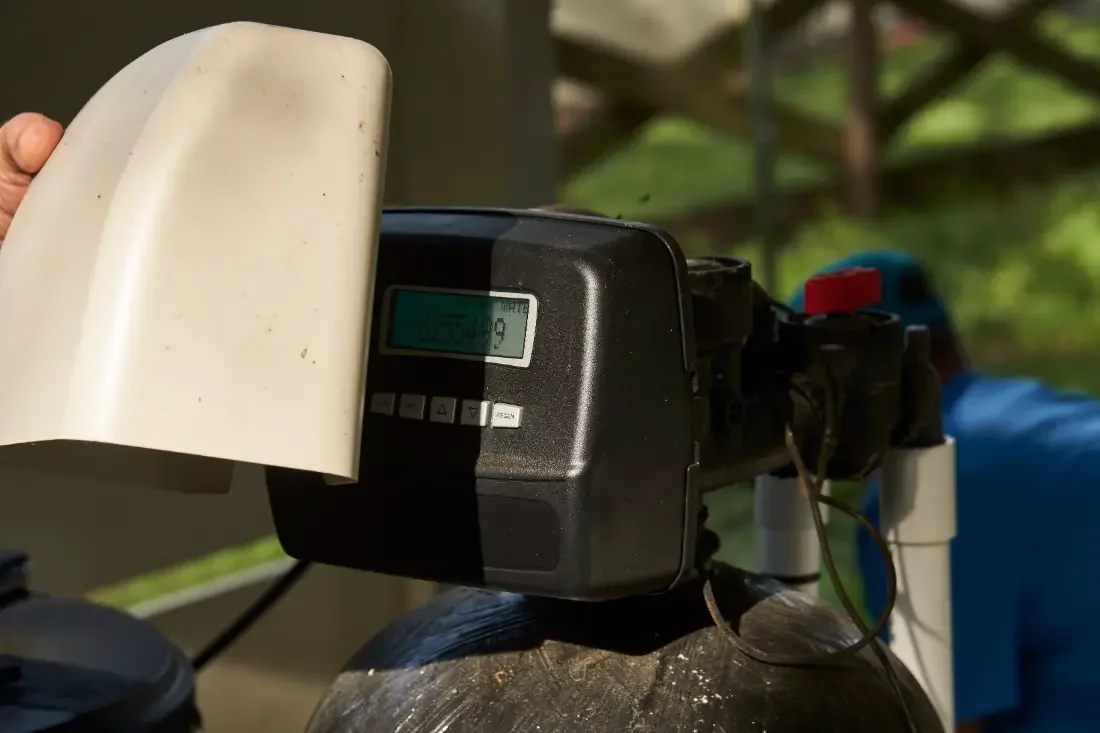
Professionals take maintenance realities into account when designing systems. If a facility runs 24/7, automated backwashing filters, self-cleaning screens, or CIP (clean-in-place) membrane systems might be the best bet. If manual maintenance is acceptable, simpler systems might be chosen for their reliability and lower cost.
Ignoring maintenance in system selection is like adopting a Great Dane when you live in a tiny apartment—you might love the idea, but the daily reality becomes an issue fast.
Pressure Tolerance And System Compatibility
Some filtration systems need high pressure to perform well, while others prefer a gentler flow. Pump compatibility, pipe sizing, and existing infrastructure all influence what kind of filtration setup makes sense.
For example, reverse osmosis systems demand high feed pressure and pre-filtration. Media filters prefer gravity or low-pressure flows. Trying to pair the wrong system with the wrong setup leads to energy waste, poor performance, and unhappy equipment (and owners).
Professionals evaluate total dynamic head, pump specs, and distribution system layout before recommending a filtration system. Compatibility isn’t optional—it’s foundational.
Automation, Monitoring, And The Modern Touch
Filtration systems have evolved. Gone are the days when a filter change schedule scribbled on a whiteboard was enough. Today’s systems can monitor pressure drops, detect turbidity spikes, and alert operators the moment performance drifts from the target.
SCADA integration, remote monitoring, and digital diagnostics help professionals fine-tune filtration systems in real-time. Alarms, logs, and trend graphs are no longer bells and whistles—they’re essential tools for keeping water quality consistent and downtime minimal.
Professionals help facilities take advantage of these tools, whether it’s choosing a system with built-in diagnostics or retrofitting sensors into an existing setup. More data, fewer surprises.
Scalability And Future-Proofing
A filtration system might work beautifully today—but what about next year, or five years down the road, when production doubles? Or when regulations tighten and suddenly “close enough” isn’t good enough?
Professionals consider scalability from the start. Modular designs, skidded systems, and upgrade-friendly configurations make it easier to adapt without scrapping everything and starting over.
Future-proofing isn’t about predicting the future perfectly—it’s about designing a system that can bend without breaking. Professionals are experts in leaving room to grow while still meeting today’s needs efficiently.
Environmental Impact And Disposal Planning
Filtration doesn’t just clean water—it also creates waste. Spent media, backwash water, concentrate from RO systems—all of it has to go somewhere. Disposing of it responsibly (and affordably) takes more than a shrug and a dumpster.
Professionals design systems with waste management in mind. They calculate reject flows, evaluate neutralization options, and recommend disposal methods that meet environmental regulations. The goal is to treat water without creating a new mess somewhere else.
Sometimes that means selecting more sustainable filtration options or integrating reclaim systems to recycle part of the waste stream. Water treatment can be responsible, effective, and smart—all at the same time.
Budget Isn’t Just The Upfront Price Tag
The most expensive system isn’t always the best, and the cheapest option often turns out to be a money pit with a shiny price tag. Professionals look beyond initial costs to assess lifecycle expenses—replacement parts, energy usage, downtime risk, and maintenance workload.
That $500 filter that needs weekly changes might not be such a bargain when you add up labor and downtime. Likewise, a $10,000 upgrade might pay for itself in six months if it improves efficiency or reduces chemical use.
Professionals provide cost-benefit analysis based on real-world data, not marketing fluff. That helps clients make smart decisions that balance performance, cost, and longevity.
Selecting A Partner, Not Just A Product
At the end of the day, filtration systems are only as effective as the people who design, install, and maintain them. Working with professionals means gaining access to experience, industry knowledge, and support long after the system goes live.
From testing and selection to commissioning and ongoing support, professionals don’t just drop off a filter and walk away. They help clients stay compliant, efficient, and headache-free—even when the water starts misbehaving.
Filtration isn’t magic, but with the right team and the right system, it comes pretty close.
Trust Pump Repair Services in Orlando, FL, for professional water filtration & treatment systems to ensure cleaner, safer, and better-tasting water for your home or business. We provide various filtration options to cover a variety of needs. Expect dependable performance and consistent flow. From initial water review to ongoing support and maintenance, we ensure 100% customer satisfaction. Call today to learn more.