The City rewrote this part of its code from scratch. Ordinance 2894, adopted December 15, 2021, repealed the whole of the former Article V and enacted a new one in its place. The City reported at the time that the state required it to begin mandatory testing in March 2022 and that it had been given an extension to work through the number of devices involved. Anyone working from what Apopka required before December 2021 is working from a repealed article.
The operative provision reads that all water customers with residential service connections and irrigation systems are required to install a reduced pressure principle assembly backflow preventer, in accordance with the City's Manual of Cross-Connection Control, if their premises contain an actual or potential cross-connection, which includes premises with an auxiliary or reclaimed water system, an irrigation system using potable water, or a wet-pipe sprinkler or wet standpipe fire protection system using potable water. For non-residential connections, there is no test to fail: all water customers with a non-residential service connection are required to install one, full stop.
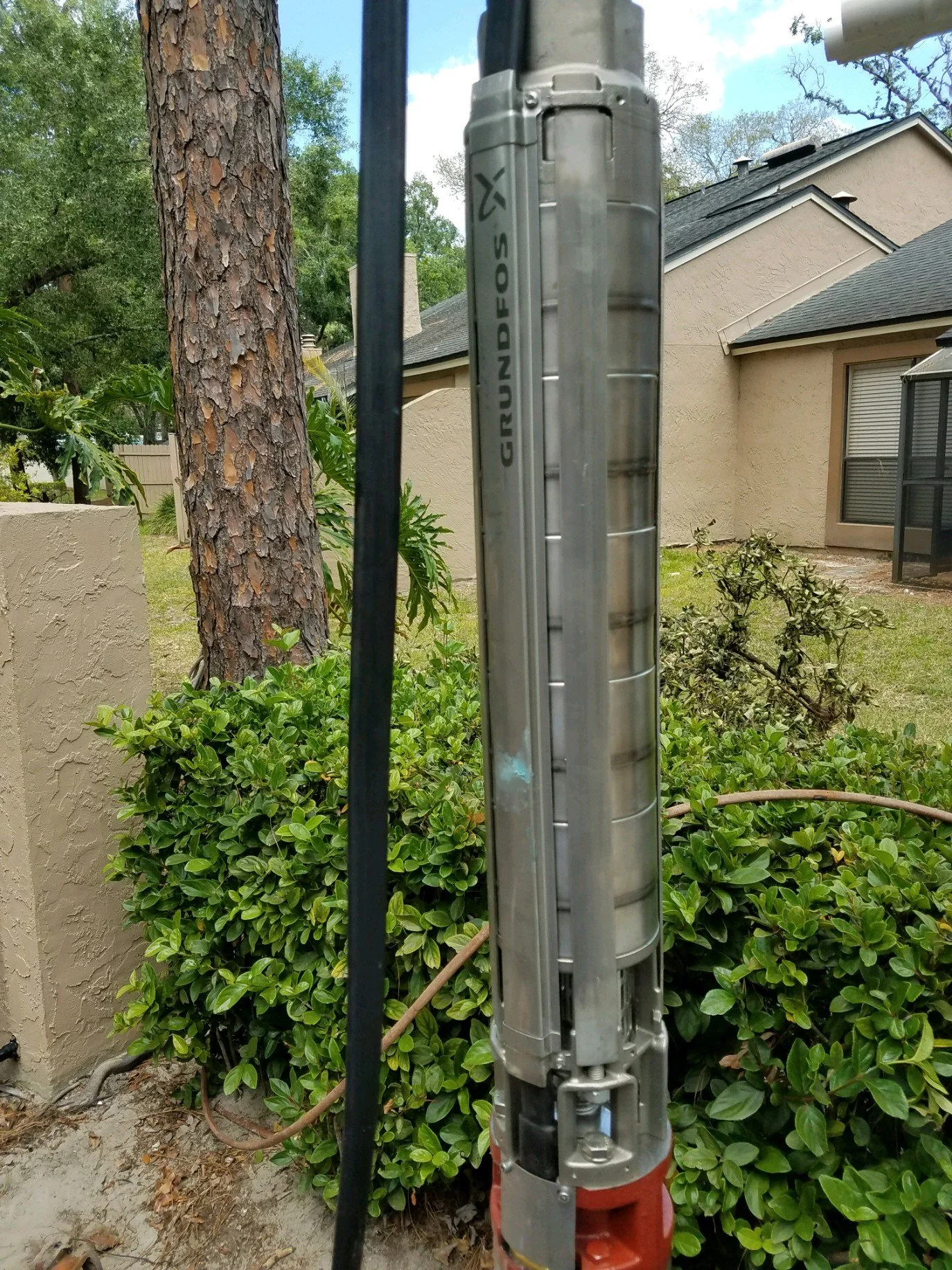
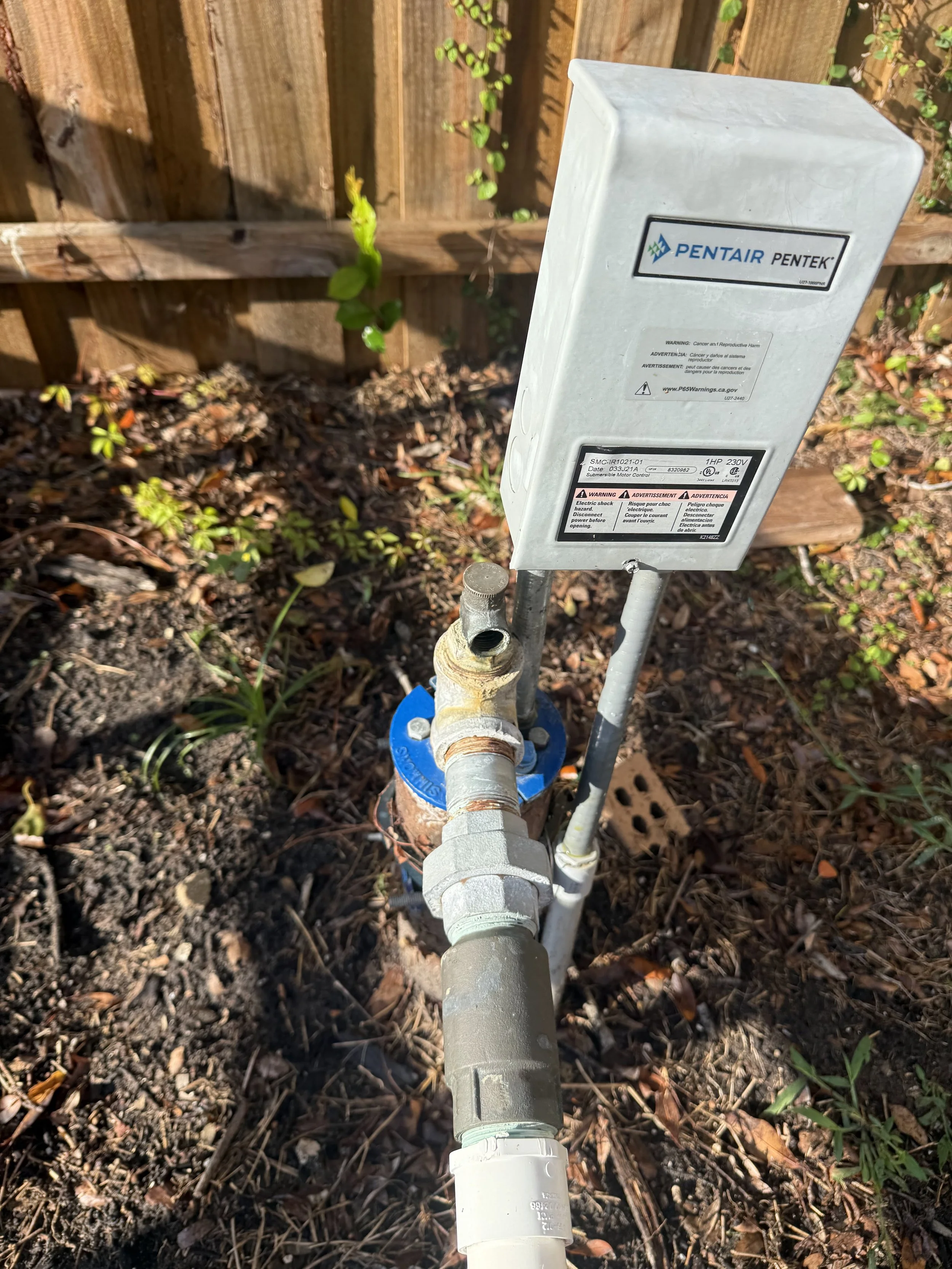
The word that does the work is auxiliary. The City's own manual defines an auxiliary water system as a pressurized system of piping and appurtenances using water other than the potable water supplied by the community water system, and it names the sources: a well, pond, lake, spring, stream or river, and reclaimed water. Under that definition, a private irrigation well is an auxiliary water system, and the code's concern is the potential for a connection, not proof of one. If that reading looks aggressive to you, it is the City's reading to confirm or correct, and worth a call before you assume either way.
Placement, retesting and record-keeping are all specified. The assembly goes downstream of the water meter, or at a location approved in writing by the City, but in all cases before the first branch or water distribution pipe off the customer's service pipe. Inspections are required following installation or repair and at least every two years thereafter for residential connections, and at least once a year for non-residential ones. A device that fails to meet performance standards must be repaired and retested, or replaced, within 14 days. Copies of all testing, maintenance, and repair records go to the City within five days of the work.
Here is what the City's manual assigns by irrigation source, for a residential connection of one inch or less and, in the last row, for everything commercial.
That reclaimed row needs a word of explanation, because read alone the two documents look like they disagree. Section 78-210(a)(1) groups an auxiliary or reclaimed water system together and calls for a reduced pressure principle assembly. The manual's table is more graduated: a dual check for a residential reclaimed source, and a pressure vacuum breaker or a reduced pressure principle assembly where the irrigation runs on City potable water. The reconciliation is in the ordinance itself. It requires the assembly to be installed in accordance with the City's Manual of Cross-Connection Control, and Section 78-209(b) states that the program is intended to meet the requirements set forth in the manual. So the ordinance sets the general requirement and the manual grades the device by degree of hazard. Confirm your own row with the City before anybody buys anything, because these devices are not interchangeable and one of them cannot be tested at all.
For a well, there is no ambiguity. Ordinance and manual agree: reduced pressure principle assembly. If you are putting an irrigation well on a City-metered property in Apopka, that is the requirement, and it is worth knowing at the start when it can still be planned for.
Two things behind all of this surprise people, and neither sits in the part of the code anyone reads. The code authorizes the City and its agents to enter private property to inspect for actual or potential cross-connections, to test backflow preventers, to inspect reclaimed systems, and to identify auxiliary water systems. And the City's manual sets out how a property gets flagged in the first place: the department may obtain the status of any wells on the property from the Department of Health, may examine permitting records to determine the presence of auxiliary water systems, and may use information systems such as satellite imaging to make determinations, which may be confirmed by a site inspection. A well that was never mentioned to the City can still be found.