Lake County agriculture is substantial, and it is mostly not what people picture. The 2022 Census of Agriculture counted 1,569 farms in the county working 162,773 acres, and 77 percent of them were under 50 acres. Nursery, greenhouse, floriculture, and sod were the county's largest sales group, and placed it fifth in Florida for that group. Around 16,653 acres were irrigated, roughly a tenth of the land in farms.
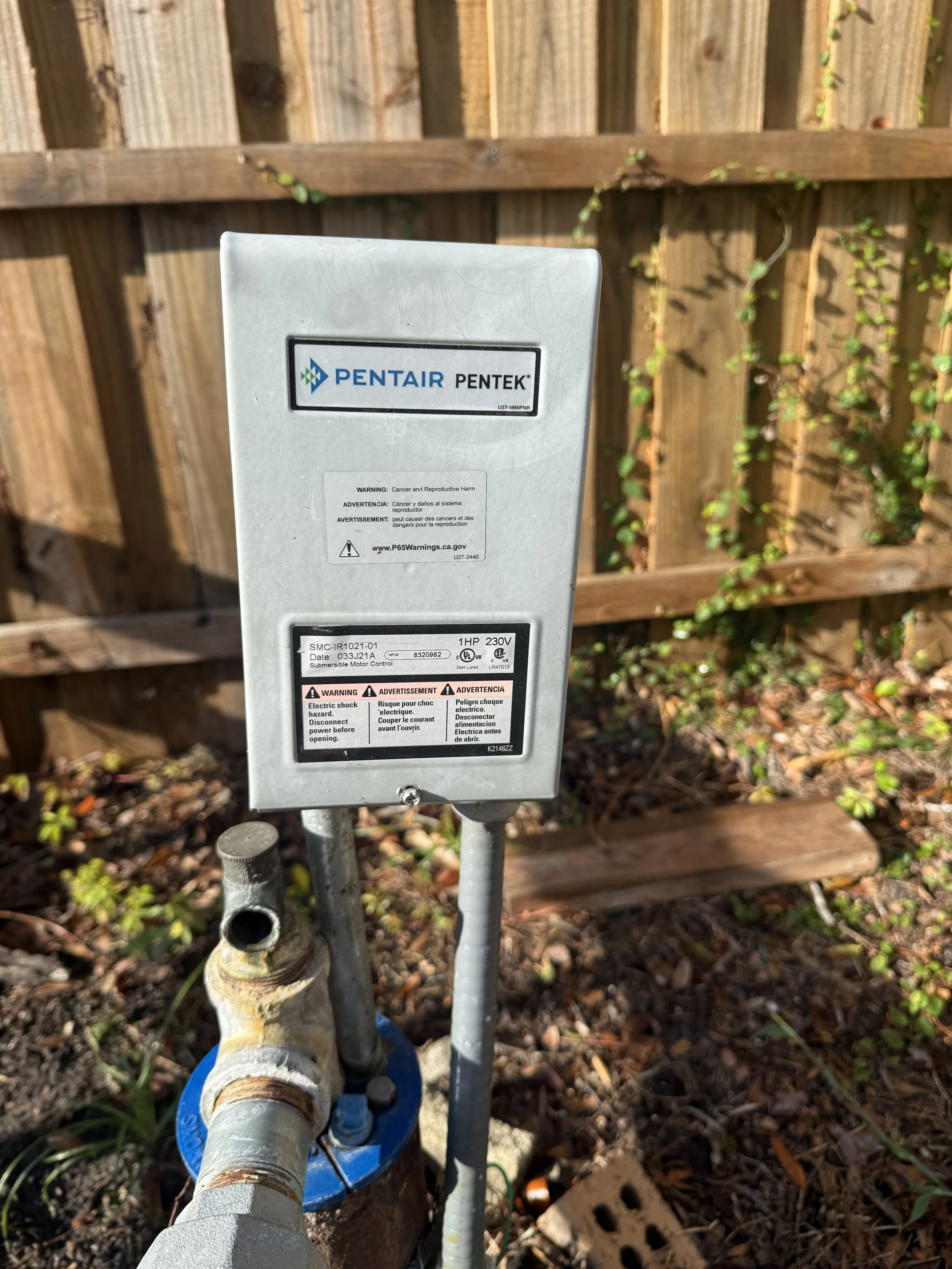
The St. Johns River Water Management District requires an individual consumptive use permit once a withdrawal meets or exceeds any one of five thresholds: an average annual daily withdrawal of 100,000 gallons a day; withdrawal equipment or facilities with a capacity of a million gallons a day; a combination of wells or other facilities with that combined capacity; a well whose largest permanent water-bearing casing is six inches or greater in outside diameter at ground surface; or a surface water facility with an intake diameter of six inches or greater, measured at the end of the pump intake. Any single one is enough, and the well-diameter trigger has nothing to do with how much water you actually use.
The rule also aggregates. Withdrawals from contiguous or proximate properties held under a common enterprise, or that share irrigation infrastructure, can be counted together. Two parcels that each look comfortably small may add up to something else once the rule has finished. Which is why the District, and not a web page, is the one that settles where any given operation sits.
One piece of current context before the exemptions: as of early September 2026, the portion of Lake County inside the District is under a Phase III water shortage order, which tightens landscape irrigation schedules. The District's watering restrictions page carries the live position.
Two exemptions people expect to help do not. Florida law defines domestic use as drinking, bathing, cooking, or sanitation and says all other uses shall not be considered domestic, so irrigation is outside it, whatever the size of the parcel. And the District's exemption rule contains no agricultural irrigation exemption. What does exist is a general permit granted by the rule itself for irrigating agricultural crops and nursery plants, and it carries two conditions worth knowing: irrigation must not occur between 10:00 a.m. and 4:00 p.m., and the crops or nursery plants have to be grown on land the property appraiser has classified as agricultural under Section 193.461 of the Florida Statutes. Land without that classification does not get the agricultural general permit, regardless of what is growing on it.
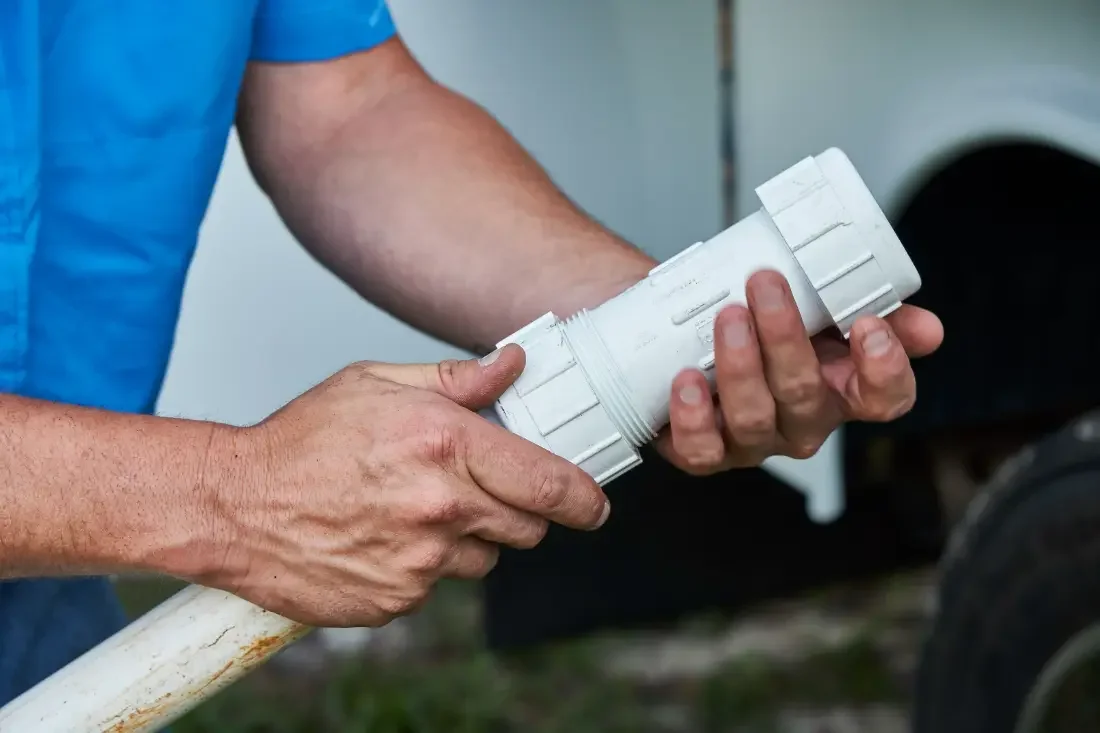
That first row is the one that changes a conversation about a pump. A permitted withdrawal carries an affirmative duty to put leaking or inoperative casings, valves and controls right. Deferring a weeping valve is a different decision when the permit requires it to be fixed.
Some help is attached to this that growers often miss. The District runs a Mobile Irrigation Lab free to agricultural producers, covering irrigation audits and the meter accuracy checks required at least once every ten years on permits that carry metering conditions. It also runs a districtwide agricultural cost-share program, open year-round, contributing up to 75 percent toward eligible efficiency work and capped annually, though accepting District funds requires modifying your consumptive use permit. It is District money for work that overlaps with ours, and we take nothing from it.
One more thing sits over agriculture in this basin. The Upper Ocklawaha River Basin Management Action Plan, effective June 27, 2025, covers Lake Eustis and names both the City of Eustis and agriculture among the responsible entities. Inside an adopted plan area, an agricultural operation either enrolls in the state agricultural best management practices program and implements the applicable practices, or conducts prescribed water quality monitoring at its own expense. Irrigation management is one of the practice categories.