Why Your Well Suddenly Stopped Producing Water

Quick Answer: When a well suddenly stops producing water, start with power: a tripped breaker or a surge-damaged pressure switch is the most common and easiest cause. From there, the usual culprits are a failed pressure switch, a waterlogged or failed pressure tank, a burned-out or failed pump or motor, a dropped water table or draw-down in the well, or a stuck check valve. Work from the simplest, safest checks outward — breaker, switch, tank pressure — and call a well professional for anything involving the pump, the wiring, or pulling the well, since those involve electrical and depth hazards.
You turn on the tap and get a sputter, then nothing. No shower, no toilet, no kitchen sink — when a well quits, the whole house goes dry at once, and it feels like an emergency because it is one. The reassuring part is that a well system has a short list of failure points, and the most common ones are also the easiest to check. Working through them in the right order tells you fast whether it's a simple reset or a real repair.
A Well Is a Chain — Find the Broken Link
Your water doesn't just appear; it's pushed through a chain of parts. The pump down in the well lifts water, a check valve keeps it from draining back, a pressure tank stores it under pressure, and a pressure switch tells the pump when to turn on and off. Lose any one link and the water stops. So troubleshooting a dead well is really about finding which link broke — and since the electrical and control parts fail more often than the pump itself, that's where you start.
Start With Power and Controls
A Tripped Breaker or Blown Fuse
The first thing to check is the breaker for the well pump. Pumps draw a lot of current, and a breaker can trip from a power surge, a storm, or the pump straining. In Central Florida, lightning and surges are a leading cause of sudden pump shutdowns. Find the well pump breaker, and if it's tripped, reset it once. If it trips again immediately, stop — that repeated trip is a sign of an electrical fault or a failing pump, and forcing it can cause damage.
A Failed Pressure Switch
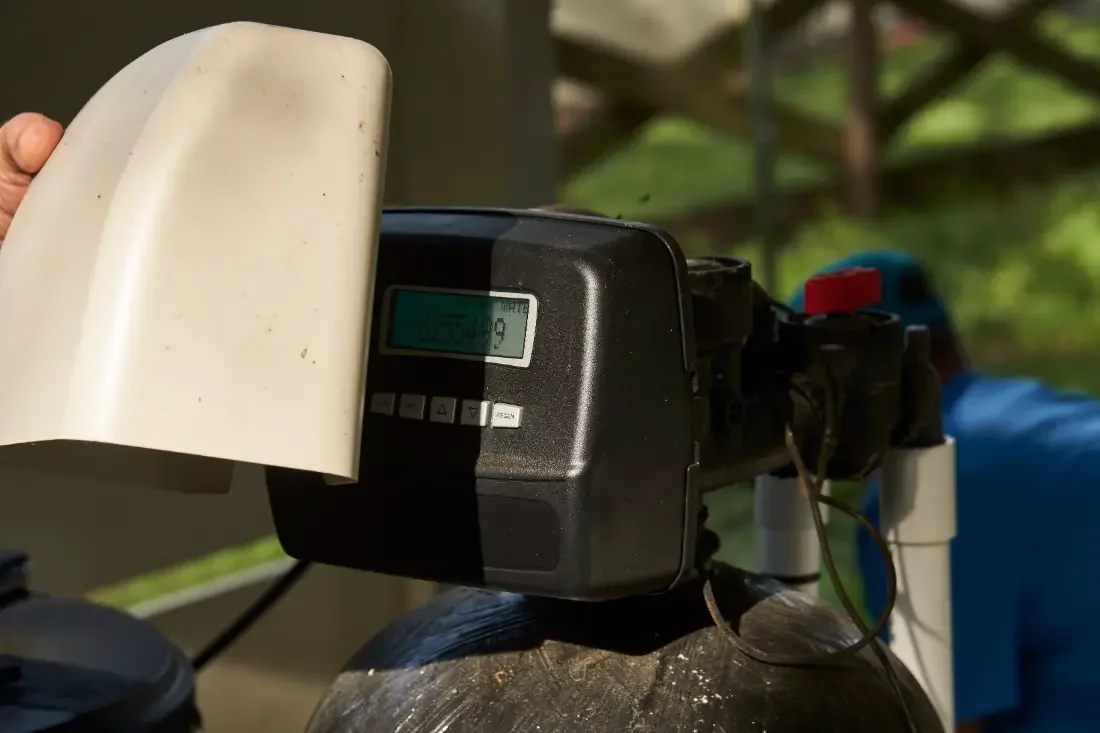
The pressure switch is a small device that senses water pressure and switches the pump on when the pressure drops. It's exposed to electrical surges and simply wears out, and when it fails, the pump never gets the signal to run — so the well goes silent even though everything else is fine. A dead pressure switch is one of the most common reasons a well suddenly stops, and it's a frequent, fixable repair.
The pressure switch and pump wiring carry line voltage and the pump circuit is high-draw. Don't open the switch or poke at pump wiring unless you're qualified — and never reset a breaker repeatedly when it keeps tripping. Electrical faults in a well system are a shock hazard and a job for a professional.
Then the Tank and the Pump
A Waterlogged or Failed Pressure Tank
The pressure tank uses a cushion of air to keep water pressurized between pump cycles. When that air charge is lost — a "waterlogged" tank — or the tank's bladder fails, pressure behaves erratically, and the system can stop delivering water properly. A failed tank also makes the pump cycle strangely, which can lead to other failures.
A Burned-Out or Failed Pump or Motor
If power is reaching the pump and the controls are good, but no water comes, the pump or its motor may have failed. Motors burn out from age, overheating, running dry, or surge damage. A submersible pump sits deep in the well, so confirming and replacing it is a job that requires pulling the pump, a firm professional territory.
A Dropped Water Table or Draw-Down
Sometimes the equipment is fine, and the well itself is the problem. In dry stretches or with heavy irrigation demand, the water level in the well can drop below the pump intake, so the pump runs but can't draw water. This "draw-down" issue may require lowering the pump, evaluating the well, or correcting the draw-down.
A Stuck Check Valve
The check valve keeps water from flowing back down into the well. If it sticks or fails, it can disrupt the system's ability to hold pressure and deliver water, sometimes letting the line drain back so nothing comes out at the tap.
| What you find | Likely cause | What to do |
|---|---|---|
| Pump breaker is tripped | Surge, storm, or strain | Reset once; if it re-trips, call a pro |
| Breaker fine, pump silent | Failed pressure switch | Professional switch replacement |
| Pressure erratic, odd cycling | Waterlogged or failed tank | Tank service or replacement |
| Power present, no water | Burned-out pump or motor | Pump pulled and serviced by a pro |
| Pump runs, no water, dry spell | Dropped water table/draw-down | Well evaluation and correction |
What to Check Yourself, and When to Call
A homeowner can safely check the breaker (and reset it one time), confirm whether other circuits have power, and note any symptoms — sputtering, then nothing; the pump running but no water; strange pressure behavior. Those observations help enormously. What you shouldn't do is open the pressure switch, handle pump wiring, or attempt to pull a submersible pump. Those involve line voltage and a pump hanging on a pipe deep in the ground.
Because losing all water is so disruptive, a well that's down after the breaker check is worth a prompt call to a well professional — many offer emergency service for exactly this. A technician can test the switch, the tank, and the pump in sequence and get the water back on safely.
Frequently Asked Questions
A breaker that trips once may have reacted to a surge or storm, and a single reset is reasonable. But a breaker that trips again immediately is warning you of an electrical fault, a failing pump, or a motor drawing too much current. Don't keep resetting it, because forcing power to a faulted circuit can cause damage or a hazard. Repeated tripping is a sign to call a well professional.
Yes, it's a common cause in Central Florida. Lightning strikes and power surges damage the electrical components of a well system — especially the pressure switch and the pump motor's controls — and can knock the system offline suddenly. If your well quits during or right after a storm, surge damage to the switch or motor is a strong suspect, and it's worth having the electrical components checked.
If the pump is clearly running but no water reaches the house, two common explanations are a dropped water level in the well (the pump can't draw water that's below its intake) and a problem with the check valve or a major leak in the drop pipe. A waterlogged tank can also disrupt delivery. Each needs a different fix, so a professional diagnosis is the fastest way to know which it is.
For the household, effectively yes — losing all running water disrupts everything and shouldn't wait long. It's not as dangerous as a gas leak, but it does call for prompt attention, especially since some causes (like a faulty electrical circuit) shouldn't be left energized. Many well companies offer 24-hour emergency service precisely because a dead well can't wait until next week.
You can safely check and reset the pump breaker once and observe the symptoms, which is really useful. Beyond that, the repairs involve line-voltage electrical work, pressure systems, and pulling a pump from deep in the well — all of which carry real hazards and need proper tools and training. For anything past the breaker, a qualified well technician is the safe and effective route.
Work the Chain, Starting With Power
A well that suddenly stops producing water has broken one link in its chain — and more often than not, it's an electrical or control part, not the pump itself. Check the breaker first and reset it once; if it holds and water returns, you're done, and if it trips again or stays dry, the trouble is in the switch, tank, pump, or well. Those repairs involve voltage and depth that call for a professional, ideally one who can come out quickly, because a house with no water can't wait long.
Lost all your well water and need it back fast? — Get 24-hour emergency diagnosis and repair from a Central Florida well specialist. Pump Repair Services serves Orlando, Winter Park, Apopka. Call (407) 625-5499.