Diagnosing Causes Behind No Water Supply from Wells
Waking up, turning on the tap, and realizing nothing is coming out can send anyone into a pre-coffee crisis. No water issues are no joke—especially when your home or business depends on a private well. Before diving headfirst into doomsday mode, take a look at what might be going wrong down there in the depths of your property. There are a few usual suspects when wells suddenly clam up and stop cooperating, and our job is to track them down, one by one.
Power Problems: When Electricity Goes Rogue
Before anyone starts imagining a dried-up aquifer, the first question to ask is: "Is the pump even getting power?" Electrical hiccups are frequent culprits behind no water issues.
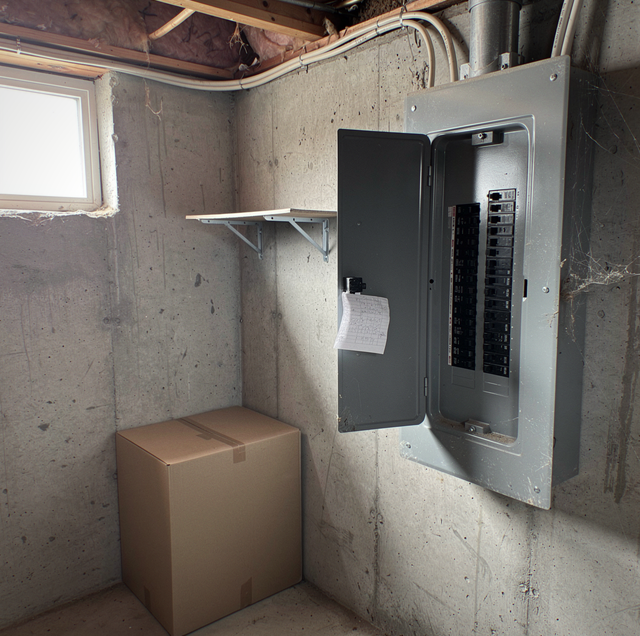
Circuit breakers love to trip at the worst times. A quick inspection of the panel can reveal whether the well pump lost its juice. If a reset fixes the problem and the water flows, consider it a temporary win—but one that calls for a professional follow-up. Frequent tripping might indicate a deeper electrical fault that deserves attention before wires start behaving like rebellious teenagers.
Then there's the possibility of damaged wiring. Wires leading to the pump aren't exactly living in luxury—they're underground, exposed to moisture, corrosion, and that one time someone thought it was a good idea to plant a tree right above the service line. Over time, they may fray or break, leaving the pump powerless and the tap bone-dry.
Pressure Switches Playing Hard to Get
A well's pressure switch acts like a traffic cop for your water flow, turning the pump on and off based on pressure in the tank. If it's faulty or stuck, water won't make it out of the well, no matter how hydrated your intentions are.
Sometimes, mineral deposits or ants (yes, ants) find their way into the pressure switch, throwing the entire system out of balance. You haven't lived until you've diagnosed a water outage caused by a tiny bug rave inside the switch housing. A technician can test the switch's functionality and replace it if needed—no exorcism required.
The Pump Has Left The Chat
Well pumps, like everything else, have a lifespan. Submersible pumps typically last around eight to fifteen years, depending on water quality, usage, and installation. If your pump has been chugging away since flip phones were cutting-edge, it may have simply decided to retire—without giving two weeks' notice.
Signs of a dying pump include reduced water pressure, intermittent supply, or complete silence when the switch is flipped. Testing a pump isn't exactly a surface-level task, so calling in a professional isn't just wise—it's a necessity.
The Pressure Tank Is Having an Identity Crisis
Pressure tanks are the unsung heroes of a well system. They maintain consistent pressure, so the pump doesn't need to start up every time someone brushes their teeth. But when the tank malfunctions, the entire system suffers.
A waterlogged tank (one with no air cushion) causes short cycling—where the pump rapidly turns on and off. That constant stop-start motion can wear out the pump and confuse the system to the point where water delivery just... stops. While it sounds like a plumbing ghost story, it's a fixable problem with the right tools and someone who knows their way around tank diagnostics.
Clogged Pipes and Sediment Shenanigans
Sediment buildup is like the cholesterol of plumbing. It quietly narrows pipes and messes with flow until one day—bam—no water. Iron, manganese, sand, and other delightful elements can clog screens, filters, and even the pump itself.
Pipe clogs don't always announce themselves with fanfare. Sometimes water starts to trickle, or pressure slowly drops. But if the sediment party gets out of hand, it can choke the system entirely. Professionals can scope the lines, clean out the gunk, and recommend filtration strategies to prevent a repeat performance.
The Well Might Be Drying Out
Let's talk about the elephant in the aquifer: the possibility that the well has run dry. Water tables fluctuate with seasons, droughts, and even nearby construction or increased demand. If your well was already on the shallow side, an extended dry spell can pull the rug—and the water—out from under it.
Symptoms of a drying well include sudden sputtering faucets, cloudy or muddy water, and a pump that sounds like it's working overtime. In this case, testing the static water level and drawdown rate becomes essential. Sometimes lowering the pump or drilling deeper is the answer. Other times, a new well may be required.
Check Valve Confusion
A malfunctioning check valve might not sound like headline news, but it can cause no water issues faster than you can say "plumbing mystery." This humble device prevents water from flowing backward into the well. If it fails, pressure can drop, and the system won't build enough momentum to push water to the tap.
Replacing a check valve isn't a job for the YouTube tutorial crowd. It requires knowing where to look, how to test, and how to replace it without turning your well system into a fountain show.
Leaks Underground Where Nobody Can See Them
Underground leaks are sneakier than a raccoon in a bird feeder. They waste water, reduce pressure, and confuse homeowners into thinking the pump is broken. When there's a leak in the line between the well and the house, water may be flowing—but not to where it's supposed to go.
A sudden spike in the electricity bill, without any increase in water use, may indicate the pump is working overtime to compensate for a phantom leak. Pressure tests and line inspections can sniff out the culprit before erosion or more serious damage sets in.
Air in the Lines: The Plumbing Version of a Whoopee Cushion
Air in your water lines makes for a noisy, spitting faucet—and a frustrated homeowner. If the pump is sucking air instead of water, something is very wrong. It could be due to a dropping water level, a cracked suction pipe, or a leak that's allowing air into the system.
Air in the lines doesn't just mess with your morning routine. It can damage equipment and cause pressure fluctuations, which can wear out your system prematurely. A professional inspection can pinpoint where the air is entering and stop the madness at its source.
Pump Cycling Like It's Training for a Marathon
When a well pump cycles on and off rapidly, it's not just annoying—it's a warning. A failing pressure switch often causes short cycling, a leaking tank bladder, or a blocked plumbing line. While the system might still be producing water, it's burning through its components with every unnecessary cycle.
Allowing a short-cycling pump to continue its high-intensity workout is a guaranteed way to shorten its lifespan. Diagnosis and repair from someone who speaks fluent plumbing will not only restore normal function but also save money down the road.
The Good News? No Water Doesn't Mean No Hope
No water issues from a well can feel like a full-blown emergency, but many problems come down to repairable components and straightforward fixes—when handled by someone who knows what they're doing. Diagnosing the issue takes experience, specialized tools, and the wisdom to spot a failing check valve at twenty paces.
Trust your water supply to professionals who know how to handle the surprises lurking underground. Whether it's a power issue, a stubborn pressure tank, or just an old pump that's done its time, there's always a fix worth exploring—without the guesswork and definitely without ants in the pressure switch.
Pump Repair Services is proud to offer transfer pump repair, irrigation pump repair, centrifugal pump repair, and submersible pump repair services to home and business owners in Orlando and the surrounding areas for over three decades. We maintain a clear line of communication and ensure timely job completion. We also offer pump sales, installation, and service, and are well-equipped to handle a wide variety of pumps. 24-hour emergency services available. Call today to get comprehensive solutions for any well or pump-related issue.