Enhancing Water Quality With Advanced Filtration Technologies
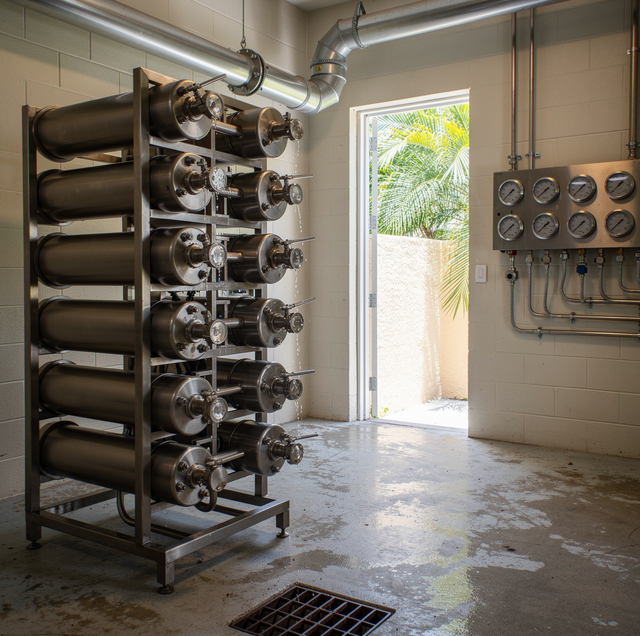
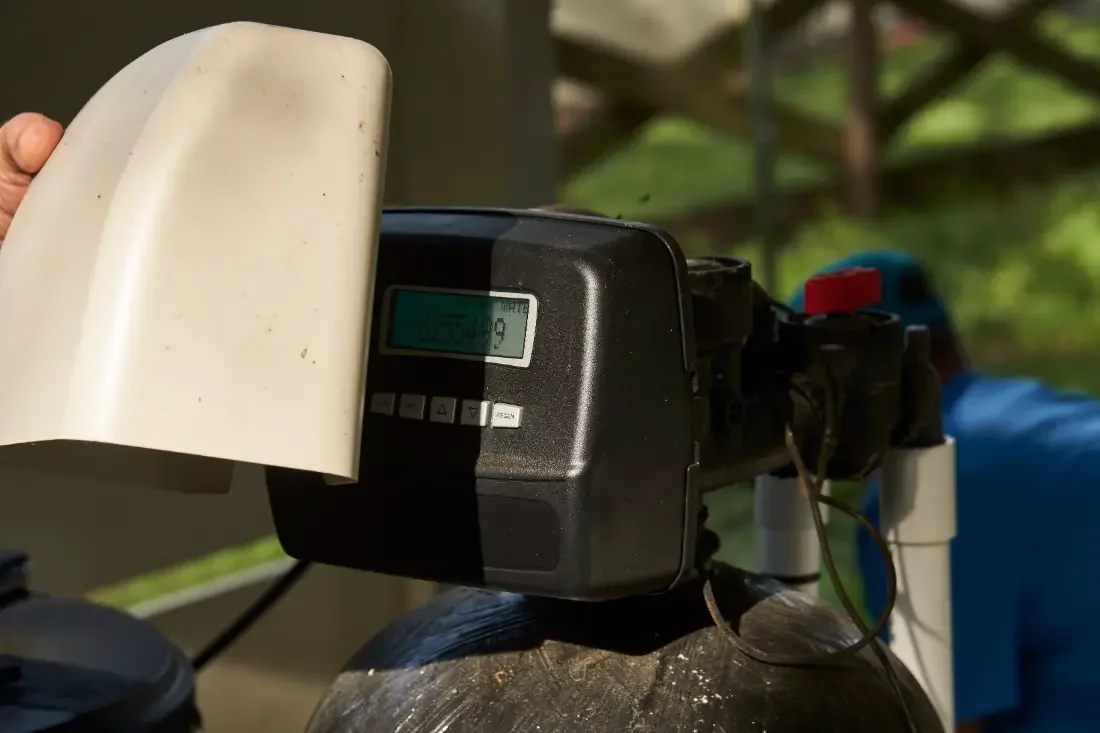
Water quality matters more than most people think—until it doesn't. Whether it's for drinking, manufacturing, or keeping equipment clean and corrosion-free, high-quality water is essential. And behind the scenes, doing the heavy lifting, are advanced filtration systems that work like silent guardians of clean flow. They don't wear capes, but they do wear membranes, screens, and activated carbon. That's close enough.
From the perspective of professionals who spend their time elbow-deep in flow diagrams and pressure gauges, enhancing water quality isn't just about slapping a filter on the end of a pipe and calling it a day. It's a deliberate, precise process that mixes science, engineering, and just the right amount of obsessive attention to detail.
Filtration Systems Are Not One-Size-Fits-All
A cookie-cutter filter might catch a few things, but it won't turn questionable water into the kind that meets regulatory requirements or customer expectations. Different applications demand different levels of filtration finesse. Treating water for a food and beverage plant is a whole different ballgame than prepping process water for a cooling tower.
Professionals assess water composition, flow rates, temperature, and required purity before recommending or installing a system. Advanced filtration is like tailoring a suit. If it doesn't fit just right, you're wasting time and money and possibly risking compliance.
Pre-Filtration: Because Jumping Straight To The Finish Line Rarely Works
Before diving into ultra-fine filtration, it's wise to handle the big, obvious stuff first. That's where pre-filtration comes in. Think of it as the bouncer at the club, removing debris, sand, silt, and the occasional mystery particle that doesn't belong.
Cartridge filters, bag filters, and strainers do much of the heavy lifting in the early stages. Not only do they protect downstream equipment, but they also improve the efficiency and longevity of the more advanced systems waiting further along the line. Skipping this stage often means fouled membranes, clogged media beds, and maintenance calls that start with "why is the flow rate terrible?"
Activated Carbon: The Charcoal MVP
Few filtration technologies punch above their weight like activated carbon. It removes chlorine, organic compounds, taste, and odor with surprising effectiveness. And while it may sound like something you'd toss in a barbecue pit, it's actually a finely tuned media designed to maximize surface area and adsorption.
Professionals use carbon in places where water aesthetics matter, or where chemical reactions could be a problem down the line. In pharmaceutical plants or beverage facilities, for example, water needs to be more than just clear—it has to behave. Activated carbon helps keep it on its best behavior.
Media Filtration: The Tried-And-True Workhorse
Sometimes good old gravity, paired with a well-packed bed of sand or anthracite, is the right tool for the job. Media filters handle suspended solids, iron, manganese, and turbidity with a quiet competence that rarely grabs headlines but always delivers.
Professionals calibrate media filters based on flow rate, contaminant load, and backwash frequency. A properly sized media bed offers consistent filtration without constant babysitting. When maintained regularly, these systems hum along without drama—a true sign of engineering done right.
Ultrafiltration: Like A Superhero Microscope
Ultrafiltration systems take filtration to the microscopic level. We're talking pore sizes smaller than bacteria, catching particles that make standard filters look like they're wearing blindfolds. These systems are ideal when precision is key—think lab-grade water, sterile environments, and any place where even the smallest contaminant is too much.
The key to making ultrafiltration work isn't just buying the fanciest system—it's in the implementation. Professionals analyze feedwater characteristics, monitor transmembrane pressure, and install clean-in-place (CIP) systems to avoid downtime. An ultrafiltration system without proper maintenance is just a costly, very moody bottleneck.
Reverse Osmosis: The Overachiever Of Filtration Systems
When water needs to be stripped down to its barest, purest form, reverse osmosis (RO) steps in like a scientist with a scalpel. RO membranes remove dissolved salts, bacteria, viruses, and other undesirables using high pressure and precision engineering. It's like giving water a deep, molecular-level cleanse.
Installing RO systems isn't just a matter of bolting them to the floor and flipping a switch. Professionals conduct detailed water analyses to determine scaling potential, membrane type, and antiscalant dosing. Pre-treatment must be spot-on, or the entire system might foul faster than an out-of-tune saxophone. Long-term RO performance depends on correct sizing, flow balancing, and monitoring—not luck.
Monitoring And Controls: Because Filters Can't Speak For Themselves
Even the best filtration systems are only as good as their monitoring setup. Pressure differentials, flow rates, and contamination levels need to be continuously tracked to avoid issues. Without proper data, operators are left guessing—and water quality doesn't take kindly to guesswork.
Professional installations include sensors, alarms, and automated controls that enable systems to react in real time. If a membrane starts clogging, or a carbon bed approaches saturation, the system responds—or at the very least, tells someone with a clipboard. Data logging also helps spot trends over time, so tweaks can be made before real problems arise.
Maintenance Isn't Just A Chore—It's A Lifesaver
Filters don't last forever. Media degrades. Membranes foul. Cartridges clog. Ignoring these facts invites system inefficiency, costly downtime, and, in worst cases, full-on contamination.
Professional services don't just clean and swap parts. They schedule maintenance based on actual system performance and historical data. Predictive maintenance beats reactive repairs every time, especially in critical applications such as hospitals, manufacturing plants, and facilities with strict water standards.
And let's not forget the calibration of instruments, cleaning of probes, and inspection of fittings—all the stuff that doesn't make headlines but keeps everything running smoothly.
Energy Efficiency Deserves A Shoutout
Water quality improvements often go hand-in-hand with energy use. Some filtration systems, especially those involving high-pressure pumps, can be serious power hogs. Professionals optimize pressure settings, install energy recovery devices, and recommend pump upgrades where needed.
A system running efficiently doesn't just protect water quality—it also protects the budget. That's a win in everyone's book.
Tailored Systems Beat Off-The-Shelf Every Time
Every water source tells a different story. Some contain heavy metals, others show signs of agricultural runoff, and a few are just trying their best after a long journey through miles of outdated pipes.
Professional water specialists don't assume they've seen it all. They test. They listen. They design filtration systems that match the water's unique profile and the customer's end-use needs. That could mean a combination of sediment filters, UV sterilization, and RO. It may mean skipping the fancy stuff in favor of tried-and-true methods. Either way, the solution fits like a glove.
Regulatory Compliance Isn't Optional
Whether it's the EPA, FDA, local environmental boards, or customer-specific requirements, regulations rule the roost in many industries. Failing to meet them isn't just a paperwork problem—it can halt production, lead to fines, or worse, damage public trust.
Professional services design and maintain filtration systems with these requirements in mind. That includes documentation, water testing, and backup systems to stay in compliance no matter what surprises pop up.
Water quality isn't something to wing. Advanced filtration technologies exist for a reason—and when installed and maintained by professionals, they quietly uphold the standards that businesses depend on.
Trust Pump Repair Services in Orlando, FL, for professional water filtration & treatment systems to ensure cleaner, safer, and better-tasting water for your home or business. We provide various filtration options to cover a variety of needs. Expect dependable performance and consistent flow. From initial water review to ongoing support and maintenance, we ensure 100% customer satisfaction. Call today to learn more.