Solving Hard Water Problems With Modern Water Softeners
Hard water has a sneaky way of making itself known. It's the culprit behind crusty fixtures, dingy laundry, soap that won't lather, and industrial systems that suddenly sound like they're coughing up gravel. Left unchecked, those stubborn minerals quietly wear down equipment, hike up energy bills, and turn routine maintenance into a full-time hobby. Fortunately, water softeners have evolved far beyond the clunky systems of decades past.
Professionals now have an arsenal of modern water softeners that address hard water issues with more efficiency, intelligence, and dependability than ever before. Forget the salt-laden monsters of yesteryear. Today's systems are smarter, sleeker, and—if we're being honest—less likely to pick a fight with your plumbing.
Hard Water's Usual Suspects: Calcium And Magnesium
Hard water doesn't mean dangerous water. It means water with an attitude. Specifically, water loaded with calcium and magnesium ions. These naturally occurring minerals are found in groundwater and municipal supplies, especially in areas with abundant limestone or other mineral-rich geology.
When hard water flows through pipes and equipment, those minerals don't just pass through politely. They stick around, forming a scale that clings to heating elements, valve seats, and every surface that gives them the slightest chance. Over time, that buildup cuts flow rates, wrecks efficiency, and leads to premature failure—especially in boilers, cooling systems, and manufacturing lines.
Professionals address this problem at the source, targeting hard ions before they can cause damage.
Ion Exchange: The Classic That Still Works
At the heart of most modern water softeners is ion exchange—a time-tested method that exchanges hardness ions for sodium or potassium ions. Think of it as a well-mannered exchange at a dinner party: "You brought calcium? We'll trade you for something a bit more agreeable."
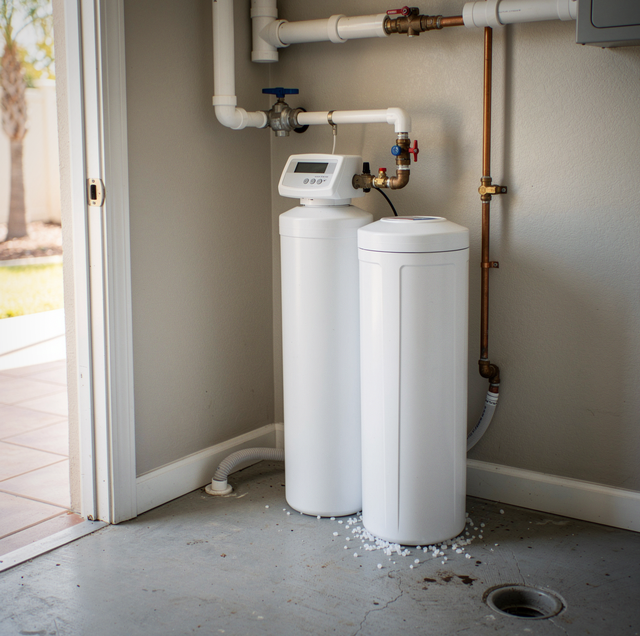
Softeners use resin beads to perform the exchange. As hard water flows through the resin tank, calcium and magnesium ions are attracted to the resin and exchanged for sodium or potassium ions. The result? Soft water that doesn't clog up everything it touches.
Professionals select resin types and system sizes based on actual hardness levels, flow rates, and usage patterns. There's no guesswork involved. And when the resin is full, the system regenerates—flushing out the minerals and recharging the beads with a brine solution.
Regeneration Cycles Without The Drama
Older water softeners operated on a set schedule, whether they needed to regenerate or not. That approach wasted water, salt, and time. Fortunately, modern systems are a little more… aware.
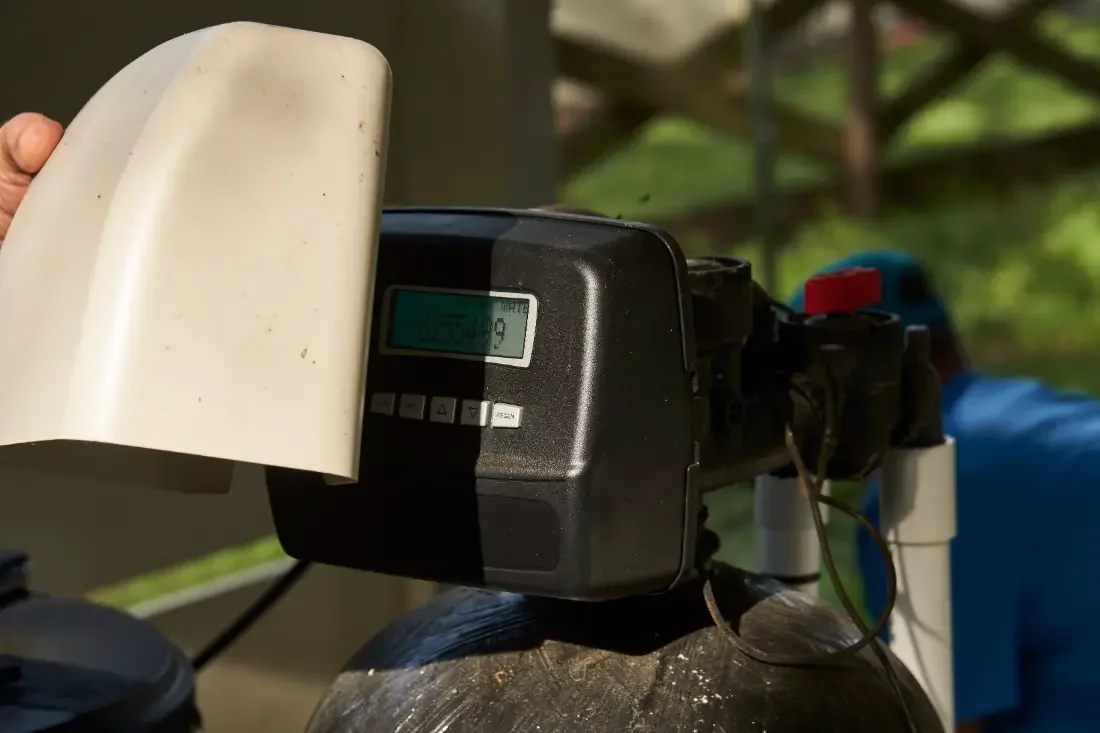
Today's softeners come equipped with sensors, flow meters, and smart controls. Regeneration is based on actual usage and capacity, not a clock on the wall. Some systems regenerate only when necessary, adjusting automatically to seasonal shifts or varying demand.
Professionals configure these systems to match operational needs. Whether a facility runs 24/7 or operates in batches, there's a softener that fits. Plus, smart controllers make diagnostics and maintenance easier, flagging issues before they escalate.
Commercial And Industrial Applications Need Muscle
Residential softeners work fine for washing machines and coffee makers, but for commercial and industrial applications, softeners need to think bigger and act faster.
Boiler feedwater, cooling towers, car washes, laundromats, and food processing facilities all depend on consistent water quality. Scale doesn't just reduce efficiency—it voids warranties, stops production, and triggers costly repairs.
Professionals design large-capacity systems with twin alternating tanks or even multiple units operating in parallel. That way, soft water continues to flow even during regeneration cycles. Downtime is reduced to zero, and the system always has backup capacity on standby.
Some operations even require custom-engineered skid-mounted systems with integrated pre-treatment and post-treatment stages. That's where professionals really shine—tailoring solutions to meet demanding specs, tight spaces, and unpredictable water sources.
Not All Salt Is Created Equal
Salt gets all the attention in softener discussions, but not every application wants or can tolerate sodium. That's where potassium-based softening comes in. It works the same way—just with a different ion exchange partner. Facilities that discharge brine into sensitive ecosystems or operate under sodium-restricted conditions often prefer this option.
Professionals help determine which regeneration material best suits each site, whether that's solar salt pellets, evaporated salt, block salt, or potassium chloride. They also design brine systems for safe handling and storage, with minimal waste.
Salt delivery services are great, but making sure the system is actually optimized for the salt type? That takes professional attention to detail.
Monitoring Water Quality Keeps Everyone Honest
Once the system is up and running, monitoring doesn't stop. Professionals regularly test water before and after softening to confirm hardness removal and detect potential issues like resin fouling, channeling, or improper regeneration.
If soft water starts showing signs of mineral creep, it could signal that the resin needs replacing, the valves need recalibration, or the brine tank is developing salt bridges. These are fixable problems—as long as someone's watching.
Remote monitoring systems can also track flow rates, regeneration cycles, and salt usage. Alarms trigger when readings drift out of range, giving service techs a chance to respond before any real damage occurs.
Blending Soft And Hard Water For Specialty Use
Not every process wants water stripped of every mineral. Sometimes a little hardness is necessary. Brewing, baking, and beverage manufacturing often rely on specific water chemistry to achieve consistency in flavor and texture.
Professionals design blending systems that reintroduce controlled amounts of hard water back into softened water, dialing in the mineral profile to match product requirements. It's like seasoning soup—just the right amount of calcium or magnesium can make all the difference.
Precision blending valves and proportioning systems give operators total control over final water quality, without sacrificing the benefits of scale-free equipment.
No One Wants Resin In Their Coffee
Even the toughest resin beds eventually wear out. Time, chlorine exposure, iron fouling, and chemical stress all take their toll. When resin capacity drops, softeners begin to leak hardness into the system, often quietly at first.
Professionals schedule resin inspections and replacements based on actual run time, not wishful thinking. They use specialty resins for high-iron water, chlorinated municipal supplies, and mixed-bed applications. The right resin extends life, reduces maintenance, and maintains consistent water quality.
When resin does need replacement, it's a full-service job—draining, cleaning, refilling, and reprogramming the system without disrupting operations. That's not something best handled with a wrench and a YouTube tutorial.
Soft Water, Lower Costs, Happier Equipment
Beyond spot-free dishes and better soap suds, soft water offers real operational benefits. Heat exchangers stay clean. Pumps last longer. Flow meters read accurately. Even energy usage drops because heating scale-free water takes less effort.
Professionals help quantify those benefits. A softened system isn't just more pleasant—it's more cost-effective. Less downtime. Fewer service calls. Longer equipment life. And that makes for happier budgets and fewer calls to the repair shop.
Environmental Responsibility Matters, Too
Discharge from softeners—especially brine—can raise concerns in areas with strict wastewater regulations. Modern softening systems can be configured for closed-loop regeneration, reduced waste volumes, or integration with zero-liquid-discharge systems.
Professionals assess each system's environmental footprint and recommend strategies to minimize waste and ensure compliance. That might include salt-free alternatives for certain applications or hybrid systems that reduce hardness without using traditional ion exchange.
There's a balance between water quality and sustainability, and the right water softener system can walk that line without sacrificing performance.
Modern Softeners Aren't A Luxury—They're A Necessity
Hard water doesn't care whether you're a bakery or a biotech lab. It will build up, slow down, and cost more in the long run. Modern softeners offer the precision, efficiency, and customization that businesses need to stay ahead of the damage.
Professionals don't just install equipment—they listen, analyze, and build systems that match unique water chemistry with operational needs. Hard water might be stubborn, but the right softening strategy always wins the day.
Trust Pump Repair Services in Orlando, FL, for professional water filtration & treatment systems to ensure cleaner, safer, and better-tasting water for your home or business. We provide various filtration options to cover a variety of needs. Expect dependable performance and consistent flow. From initial water review to ongoing support and maintenance, we ensure 100% customer satisfaction. Call today to learn more.