Restoring Water Pressure with Expert Jet Pump Repairs
Nothing says "surprise" like stepping into a shower and being met with a pitiful trickle that wouldn't scare a spider. Weak water pressure throws off more than just morning routines—it disrupts irrigation, cleaning, and just about everything that relies on reliable flow. When a jet pump starts slacking off, it's often a cry for professional help, not a DIY experiment with duct tape and internet guesses.
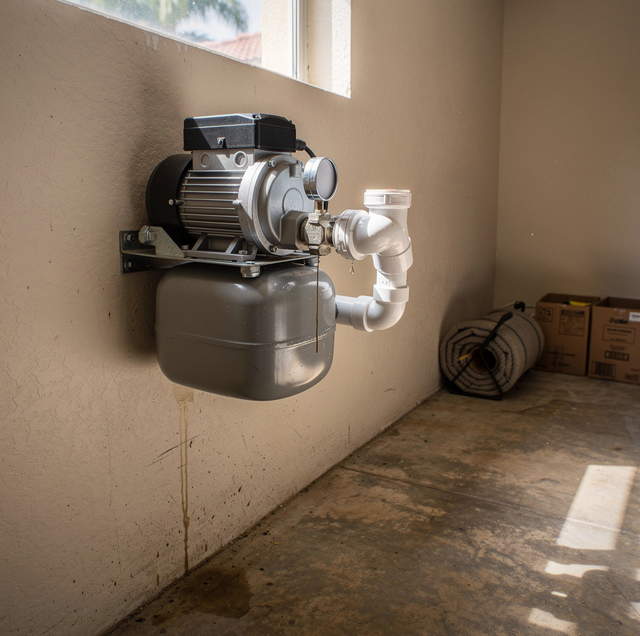
Jet pumps, known for their hardworking reliability, move water from wells, tanks, and other sources using the venturi effect. But they're not immune to wear, blockages, or the occasional hissy fit. When performance dips, it's not time to panic—it's time to investigate.
Suction Side Shenanigans
Most jet pump issues start at the suction side, where all the pulling happens. Think of it as a thirsty straw—if there's even a pinhole leak or a partial clog, suction power drops and pressure follows. Leaky fittings, cracked pipes, or air being drawn into the line all lead to one thing: the pump losing its prime.
Professional repairs begin by checking suction lines for integrity, cleaning screens, flushing pipes, and pressure-testing fittings. A loose connection might be costing an entire system its pressure—and no amount of filter swapping will fix that. Once the suction line is sealed tight and clear, the pump can breathe easy again.
The Jet Assembly: Small Parts, Big Role
Inside the heart of the jet pump lies the jet assembly—the venturi and nozzle that create the pressure differential required to move water. When these components wear out, corrode, or clog with debris, the whole operation stumbles. Water may still move, but slowly, grudgingly, and without the pressure needed to do anything useful.
Inspecting and repairing the jet assembly takes finesse and experience. It's not just about swapping parts—it's about restoring the delicate balance between flow and pressure. Professionals clean, test, and calibrate. If replacement is needed, they make sure the new parts match the pump's specs perfectly. And when they're done, the pump doesn't just run—it runs with purpose.
Motor Mayhem and the Power of Proper Testing
A jet pump's motor does the heavy lifting, so when it's struggling, the entire system feels it. Low voltage, worn windings, failing capacitors, or plain old age can all turn a motor from mighty to meh. A healthy motor delivers consistent torque and speed. A tired one labors, overheats, and throws performance into chaos.
Professionals use thermal cameras, ammeters, and test rigs to diagnose motor health. It's not guesswork—it's science with a side of intuition. A slight hum might reveal a capacitor on the brink. A high amp draw might point to a binding bearing. Repairs are targeted, precise, and designed to restore full horsepower to the pump. No wild part swaps. No crossed fingers.
Pressure Switch Woes and the Case of the Silent System
Sometimes the pump isn't the problem at all—it's the pressure switch. These small devices control when the pump turns on and off. If they're misadjusted, clogged with sediment, or suffering from electrical fatigue, the pump may never receive the command to spring into action. Or it may cycle on and off like a confused disco light.
A professional repair involves cleaning contact points, verifying electrical continuity, adjusting pressure settings, and, if necessary, replacing the switch. The goal isn't just to make the pump run—it's to make it run when it's supposed to and stop when it's done. Pressure switches aren't glamorous, but they hold the keys to proper system behavior.
Prime Suspects: Airlocks and Uncooperative Pumps
Jet pumps need to be primed to function. Air inside the system is about as welcome as a raccoon at a garden party—it causes chaos and refuses to leave without intervention. Airlocks can prevent water from flowing altogether or, at best, create weak, sputtering pressure.
Professional technicians don't just pour water into the pump and hope for the best. They use vacuum tools, pressure gauges, and flow meters to prime the system correctly, clear airlocks from tricky pipe runs, and verify that water is flowing at the correct rate. A properly primed pump doesn't wheeze. It flows.
Worn Impellers and Housing Drama
Over time, the impeller—the spinning blade that pressurizes the water—can wear down from friction, mineral buildup, or corrosion. When that happens, the pump still runs, but it might as well be spinning cotton candy: the water output drops, and pressure plummets. Same story with a damaged or cracked pump housing—it loses pressure like a bucket with a hole.
Repairing impellers and housings takes more than a quick patch. Professionals assess wear levels, replace worn components, and machine parts to spec when necessary. They also verify that impeller clearances are correct and housing seals are tight. The result is a pressure-boosting machine that lives up to its name.
Control Box Confusion
Some jet pumps rely on external control boxes to regulate motor behavior. These boxes contain start capacitors, relays, and wiring that handle the load of pump startup and shutdown. When something inside the control box starts acting up, the pump might not start at all—or it might start slowly, lagging behind demand and confusing the entire system.
Technicians test relays, capacitors, and wiring inside the control box using multimeters and voltage meters. When needed, they replace components with OEM-grade parts, not mystery knock-offs. Repairs are performed safely, accurately, and with the goal of long-term reliability. Nobody wants to chase intermittent electrical ghosts every few weeks.
Discharge Side Restrictions and Pressure Disappearing Acts
Once water leaves the pump, it still has to navigate the discharge piping. A partially closed valve, clogged line, or backflow preventer stuck half-shut can all limit water pressure downstream. The pump's working its heart out—but the system is bottlenecked further along.
Diagnosing discharge-side restrictions requires tracing the system, testing flow at multiple points, and isolating variables. Professionals don't just say "It's probably the pipe"—they prove it. Once the restriction is found, they repair or replace the section and verify that water is flowing freely and at the expected pressure.
System Matching: The Right Pump for the Right Job
Sometimes the real issue isn't wear or failure—it's that the pump was never quite right for the job. A shallow well jet pump trying to pull from 40 feet deep will always struggle. A ½ HP unit powering a multi-sprinkler system? That's a tall order for a small motor.
Professionals review pump specs, system demand, and well depth to confirm compatibility. If the setup is mismatched, they recommend a proper upgrade based on actual requirements. Repairs can only go so far if the pump was working too hard from day one. When the system is right-sized, water pressure doesn't just return—it stays consistent.
Routine Maintenance: Prevention Beats Panic
Most jet pump failures don't happen overnight. They build up through small issues—slight wear here, a dirty screen there, a loose fitting that goes unnoticed. Preventative maintenance keeps pressure problems from making surprise appearances at the worst possible moments.
Scheduled service includes checking seals, monitoring voltage, inspecting fittings, cleaning filters, verifying pressures, and lubricating moving parts. Technicians create a record of each visit, track component wear, and suggest replacements before failures happen. It's like giving the pump a wellness check—without the awkward small talk.
Peaceful Pressure and Predictable Performance
Water pressure shouldn't be a guessing game. It shouldn't drop halfway through washing a car or disappear during a sprinkler cycle. Jet pumps are capable, consistent, and hardworking—when they're given the attention they deserve. With expert repair services, they return to peak performance without drama, delay, or DIY disasters.
Technicians don't just fix what's broken—they restore flow, balance, and confidence. Pumps that once sputtered along at half-pressure roar back to life, delivering the pressure that people, plants, and processes depend on. It's not just about water. It's about restoring trust in a system that's supposed to work, without excuses.
Pump Repair Services is proud to offer transfer pump repair, irrigation pump repair, centrifugal pump repair, and submersible pump repair services to home and business owners in Orlando and the surrounding areas for over three decades. We maintain a clear line of communication and ensure timely job completion. We also offer pump sales, installation, and service, and are well-equipped to handle a wide variety of pumps. 24-hour emergency services available. Call today to get comprehensive solutions for any well or pump-related issue.