Achieving Pure Water with Distillation Technology
Tap water may look clear, but appearances can be deceiving. It often arrives with a cocktail of unwanted guests—heavy metals, minerals, bacteria, and mysterious chemicals you'd rather not think about while filling your glass. Municipal treatment plants do their part, but there's only so much filtering and disinfecting can do when the source water has been around the block more times than a retired mail carrier.
Water picks up everything it touches. Whether it's running over rocks, through old pipes, or lingering in storage tanks, it collects minerals like calcium and magnesium, and might invite bacteria along for the ride. Toss in chlorine, fluoride, and any accidental chemical runoff, and suddenly that innocent-looking sip doesn't feel so refreshing.
Why Distillation Works Like A Charm
When it comes to removing contaminants, distillation doesn't play around. The process has been around for centuries, and it remains one of the most thorough ways to purify water. Here's how it works: water is boiled until it turns into steam. That steam rises, leaving behind impurities that don't evaporate—like salts, metals, and most biological contaminants. Then it cools, condenses, and drips into a clean container as pure H2O.
It's like sending water through a spa day. All the gunk stays behind in the sauna while only the vapor heads to the VIP lounge. The result is water that's stripped of just about everything it picked up along the way.
What Distillation Systems Can Remove
Distillation systems are the perfectionists of water purification. They don't rely on chance. They systematically remove a long list of unwanted elements, including:
- Heavy metals such as lead, arsenic, and mercury
- Microorganisms, including bacteria, viruses, and protozoa
- Organic compounds and volatile chemicals
- Minerals that contribute to scale and water hardness
Not many methods can boast that level of versatility. Activated carbon and reverse osmosis do a fine job, but they're more like the specialized technicians of water treatment. Distillation, on the other hand, plays the long game—comprehensively reducing a wide array of impurities in one process.
Why Distillation Isn't A DIY Adventure
Sure, boiling water on the stove might seem like the same thing. It's not. That's like comparing a bonfire to a laser cutter. The right distillation system uses precise temperature controls, efficient condensation chambers, and safe storage containers that keep the purified water separate from contaminants.
DIY setups often fall short on capacity, safety, and purity. They also tend to overlook volatile compounds with low boiling points that could sneak through with the steam if not properly handled. Professional-grade distillation systems are designed to address that little trick with features like venting or carbon post-filters.
A good water distillation system doesn't just heat and cool—it engineers purity with precision. Trying to replicate that with kitchen gear usually results in a lot of mess, questionable results, and a burnt dinner if someone forgets they're distilling water on the back burner.
Where Distillation Systems Fit In
Distillation isn't for every situation. If your water only needs a gentle polish, a softener or basic filter might be more practical. But for homes or businesses with serious water concerns, distillation becomes a leading solution. It's particularly valuable in:
- Rural areas with unknown well quality
- Urban homes with aging plumbing infrastructure
- Health clinics and laboratories that require ultra-pure water
- Families with compromised immune systems
In these environments, distillation systems shine. They don't require exotic filters or complicated maintenance. Just regular cleaning, occasional part replacement, and an appreciation for slow, steady, high-quality water purification.
The Distillation Setup: What Professionals Provide
When a professional installs a distillation system, the process goes far beyond plugging in a machine and hoping for the best. It starts with water testing. There's no reason to install a system without knowing exactly what it's up against. Is it a calcium overload? Is there trace lead sneaking in through corroded pipes? Identifying the enemy makes all the difference.
Once the problem areas are clear, the technician selects a distillation system that matches the household or business needs. These aren't one-size-fits-all solutions. A four-person home needs something different than a dentist's office, where tools are rinsed all day.
Then comes installation, calibration, and post-installation testing. Everything is fine-tuned to deliver the cleanest water possible without wasting energy or water. Professionals also stick around to walk clients through usage and maintenance—no guessing, no complicated manuals written by robots.
The Flavor of Purity
Distilled water has a distinct taste—or rather, a distinct absence of taste. Without minerals or additives, it's remarkably neutral. Some people love that clean, crisp finish, while others find it a bit… blank.
But that blank canvas is perfect for cooking, brewing coffee, or mixing baby formula. No weird mineral interference. No off-notes from chlorine. Just clean, consistent water that doesn't hijack the flavor of everything it touches.
Of course, if someone prefers a bit of mineral flavor, a remineralization filter can add just the right sprinkle of calcium and magnesium to the mix—professional-grade hydration with personality.
Debunking Distillation Myths
Distillation often gets a bad rap from armchair experts who swear it's too slow or wasteful. While it's true that distillation takes time, quality doesn't usually happen in a rush. A good system is designed to run efficiently, producing enough clean water for daily use without needing a babysitter.
As for water waste, distillation is actually a champion in controlled use. It uses electricity instead of high-pressure plumbing, so there's less noise, fewer moving parts, and almost no surprise basement floods. Many modern systems even include auto-shutoff features to prevent unnecessary operation.
And no, drinking distilled water won't rob the body of minerals. Food provides the vast majority of dietary minerals, not your glass of water. Anyone worried about losing electrolytes from sipping distilled water probably needs a sandwich more than a supplement.
Maintaining The Magic
A distillation system isn't something to ignore until it squeals. Regular maintenance is crucial. Mineral deposits build up, especially in areas with hard water. Those crusty leftovers need to be cleaned out with approved descaling solutions or replaced parts.
Professionals often offer scheduled service visits, taking the mystery (and the elbow grease) out of maintenance. They'll check steam chambers, inspect electrical components, and replace filters or gaskets before they become a problem. In other words, they keep the distillation system running like the quiet, dependable genius it's meant to be.
Choosing A Distillation System That Works
Not all distillation systems are created equal. Some are built for heavy-duty lab work, others for compact household use. Professionals help customers find the sweet spot—balancing capacity, power usage, and water output without overbuilding for the situation.
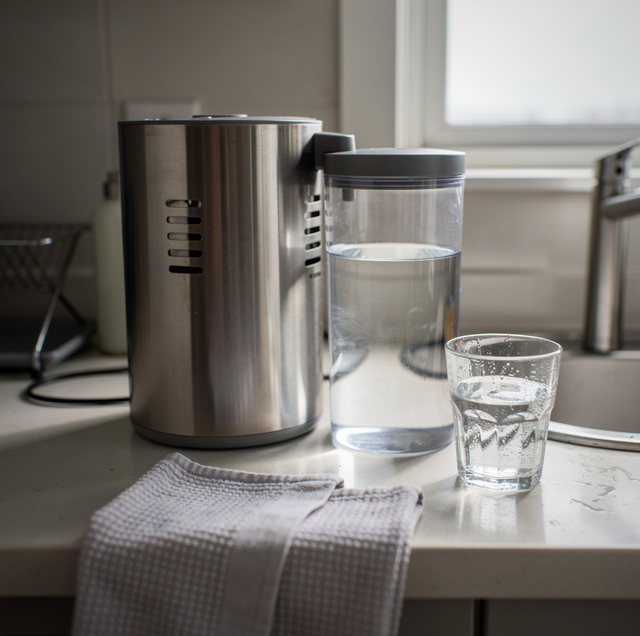
Whether it's a countertop model for a small family or a high-capacity unit integrated into a commercial setting, there's a system tailored to the need. The goal is always the same: deliver the purest water possible, without bells, whistles, or marketing fluff that often distract from performance.
Final Thoughts From The Field
Water distillation might not be the flashiest method in the water purification world, but it holds its ground like the wise old wizard who's seen it all. No gimmicks. No trendy jargon. Just straightforward science doing what it does best—turning not-so-great water into something worth drinking.
In the hands of professionals, distillation systems provide peace of mind, consistent performance, and a long-term solution to water quality concerns. They don't require constant attention or endless parts swapping. Just some regular check-ins, a little maintenance, and the occasional pat on the back for a job well done.
For anyone looking to move beyond murky glasses and chlorine-scented tap water, distillation technology offers a dependable and refreshingly thorough path to purity.
Trust Pump Repair Services in Orlando, FL, for professional water filtration & treatment systems to ensure cleaner, safer, and better-tasting water for your home or business. We provide various filtration options to cover a variety of needs. Expect dependable performance and consistent flow. From initial water review to ongoing support and maintenance, we ensure 100% customer satisfaction. Call today to learn more.