Reliable Solutions for Submersible Pump Performance
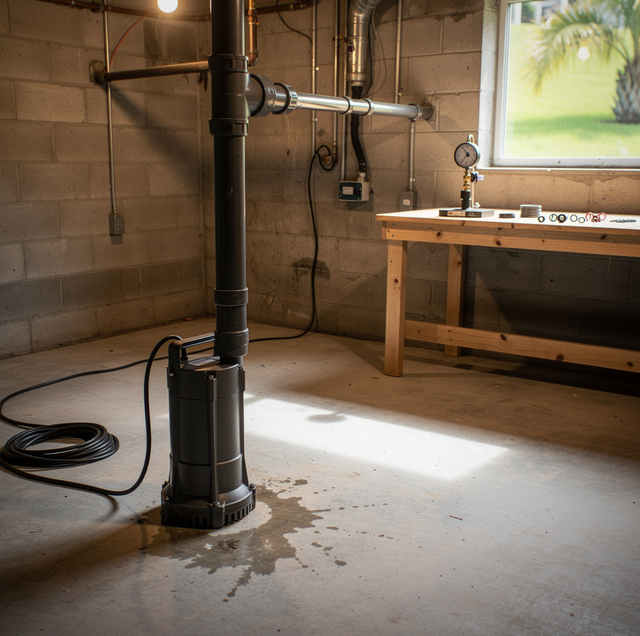
Submersible pumps aren't one-size-fits-all machines. Picking the wrong model is like using a turkey baster to empty a swimming pool—technically possible, but not ideal. The pump needs to match the application, whether it's moving groundwater for residential supply, draining a sump pit, or pushing wastewater from a septic tank.
Professionals take the time to assess head pressure, depth, flow rate requirements, and the makeup of the liquid involved. Clear water has different demands than graywater, and a pump designed for solids can look different than one meant to supply clean drinking water. It's about choosing a pump that won't throw a tantrum the moment debris comes along for the ride.
Making Electrical Compatibility A Priority
Submersible pumps like their electricity to be steady, stable, and within specs. Voltage mismatches, low amperage, or fluctuating power sources create burnout conditions faster than a teenager with a learner's permit on a mountain road.
Technicians make sure the power supply matches the pump's voltage and phase. A 240V single-phase motor won't appreciate being plugged into a 208V three-phase panel. It may start out excited, but it will eventually fizzle out in silent protest. Professionals also check wiring, grounding, and breaker ratings to prevent fire hazards and comply with local code requirements.
Protecting The Motor From Moisture Intrusion
The irony of a pump built to live underwater frying itself due to moisture might be hilarious if it weren't so expensive. Submersible pumps rely on tight seals to keep water out of the motor housing. When those seals crack, stretch, or warp, water finds a way in faster than ants at a picnic.
Regular maintenance includes inspecting shaft seals, gaskets, and cable entry points. A minor tear or poorly seated O-ring can turn a submersible pump into an underwater paperweight. Professionals pressure-test the casing and replace aging seals before trouble starts bubbling up.
Handling Solids And Sediment Like A Pro
Not all submersible pumps are thrilled to process solids. If debris regularly flows through the system, the pump needs features like an impeller that won't jam up at the first sign of a pebble. Grinding mechanisms, vortex impellers, or wide-mouth inlets help manage solids without turning the pump into a chew toy.
Professionals recommend debris-tolerant designs for dirty-water applications and recommend cleaning those systems before buildup causes internal damage. The less time a technician spends untangling clumps of hair, leaves, or unidentifiable gunk from the impeller, the longer the pump will last—and the less awkward the job becomes.
Using Float Switches To Regulate Operation
Float switches are the brains behind a submersible pump's go-or-no-go behavior. They float, sense water-level changes, and tell the pump when to turn on or off. When functioning correctly, they prevent dry runs and unwanted floods. When they fail, chaos enters the chat.
Professional installations often include adjustable float switches or dual float systems with alarms. They're tested regularly to verify sensitivity and response time. An overactive float can wear the pump out by cycling too frequently. A lazy one might wait too long to respond, allowing water levels to rise beyond anyone's comfort level. Balance is key—and professionals are good at finding it.
Keeping Cables Intact And Anchored
Pump cables love to get tangled, nicked, or yanked in ways that feel oddly personal. Submersible pumps move, vibrate, and sometimes shift during operation. If cables aren't properly secured, they rub against pipes, rocks, or sharp edges until insulation wears through and short circuits make themselves at home.
Professionals anchor cables along the discharge pipe, use waterproof splices, and avoid sharp bends that strain the wires. Even the best-performing pump can become a hazard with bad wiring, especially if rodents get curious or kids turn the well pit into a science project.
Choosing The Right Discharge Configuration
The discharge pipe has one job: move water efficiently. Kinks, incorrect sizing, or clogs in the pipe slow everything down and force the pump to work harder than necessary. That extra load wears out bearings, increases heat, and shortens the pump's lifespan like a diet of nothing but vending machine snacks.
Technicians evaluate the total dynamic head and pipe friction to properly size the discharge line. Flexible pipes receive support, rigid pipes receive stabilization, and connections receive watertight fittings. A good setup sends water where it's supposed to go—no drama, no reruns.
Providing Proper Cooling To Prevent Overheating
Even underwater, pumps can run hot. Without sufficient water flow around the housing, heat builds up and fries motor windings like bacon in a skillet. Submersible pumps depend on the surrounding water to stay cool and operate at peak performance.
Professionals install pumps at appropriate depths and clear out blockages around cooling jackets. Some applications call for a flow sleeve to direct cool water past the motor. Think of it like a personal fan for your pump—always appreciated, never overbearing.
Using Check Valves To Avoid Backflow
When a pump turns off, gravity doesn't clock out. Water in the discharge line can rush backward and slam into the pump impeller, creating hydraulic shock that's both damaging and a bit rude. A well-placed check valve keeps water moving in the right direction and stops pressure surges from overwhelming the system.
Professionals install check valves near the pump and test them for leaks or flutter. If a valve starts sounding like a rhythmic thump, something's not right. Ignoring it leads to impeller fatigue, pipe stress, and possible pump failure.
Identifying Early Signs Of Trouble
No one wants their pump to quit during a rainstorm or midway through watering the vegetable patch. Submersible pumps speak in subtle ways—longer run times, reduced output, odd noises, or sudden cycling patterns. Waiting until the system stops working is like ignoring a toothache until it becomes a root canal.
Technicians keep performance logs, test flow rates, and monitor amperage draw during operation. When numbers creep outside the comfort zone, adjustments or repairs follow. Professionals read these signs the way mechanics listen to engines. The earlier the signal is caught, the cheaper the fix usually is.
Maintaining Proper Alignment In Deep Wells
In deep well setups, submersible pumps hang from drop pipes like a weight on a fishing line. If the pipe bends, twists, or shifts due to thermal expansion or soil movement, the pump loses alignment and may vibrate excessively or scrape against the casing wall.
Professionals use centralizers and support brackets to keep everything aligned vertically. They also anchor the pipe to reduce stress at the joints and avoid torque-induced wear. A crooked pump still moves water, but it leaves behind a trail of premature damage and weird noises that nobody wants to interpret at midnight.
Addressing Air Lock Situations Quickly
Sometimes air can find its way into the discharge line, creating a vacuum that blocks flow entirely. The pump hums, the water level stays high, and the discharge pipe sulks in silence. It's a head-scratching problem with a surprisingly simple fix—if you know where to look.
Professionals install air bleed valves or adjust the piping to prevent vapor lock. Systems that experience frequent air issues might need new discharge routing or a higher water intake point. It's not rocket science, but it does take a practiced eye to spot the difference between stubborn air and a broken pump.
Using Surge Protectors To Guard Against Power Spikes
Electrical surges don't usually come with a warning. Lightning strikes, utility grid glitches, or even nearby heavy equipment can spike voltage in a heartbeat. Submersible pumps without protection feel the brunt of it, and repair costs make everyone wince.
Technicians install surge protectors, lightning arrestors, and pump control boxes that monitor power quality. It's a small investment compared to replacing an entire motor—or listening to the homeowner explain how the pump died during a perfectly innocent thunderstorm.
Testing Before Declaring Victory
A new installation or major repair isn't done until the system passes a full performance test. Professionals run the pump, monitor drawdown rates, test discharge pressure, and verify electrical readings. If something's amiss, it's corrected before signing off.
The goal is consistent, quiet operation without surprises. Every submersible pump should be heard humming gently beneath the surface—doing its job with no complaints, no splashes, and no heroic last-minute saves.
Long-term reliability doesn't come from crossing fingers or ignoring strange sounds. It comes from skilled professionals who understand how to match the right equipment to the right situation—and who take the time to keep that system running smoothly long after installation day.
Pump Repair Services is proud to offer transfer pump repair, irrigation pump repair, centrifugal pump repair, and submersible pump repair services to home and business owners in Orlando and the surrounding areas for over three decades. We maintain a clear line of communication and ensure timely job completion. We also offer pump sales, installation, and service, and are well-equipped to handle a wide variety of pumps. 24-hour emergency services available. Call today to get comprehensive solutions for any well or pump-related issue.