What Does a Transfer Pump Do?
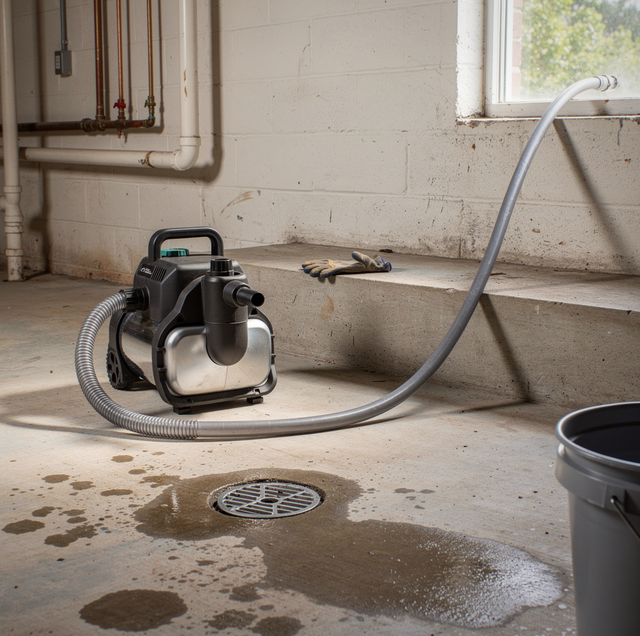
A transfer pump plays a vital role in both residential and commercial applications by moving water or other liquids from one location to another. Many property owners use these pumps without realizing how they work or how versatile they can be. As professional pump service providers, we help homeowners, facility managers, and business owners understand what transfer pumps do, how they operate, and how to select and maintain the right pump for their needs.
A transfer pump can simplify projects, prevent water damage, support irrigation, and help ensure reliable fluid movement across a wide range of environments. Knowing how these pumps function helps property owners use them safely and make smarter decisions about repair, maintenance, or upgrades.
Understanding the Purpose of a Transfer Pump
A transfer pump is designed to move liquids efficiently using mechanical force. It can move water from a basement to the outdoors, supply water to holding tanks, shift irrigation water across a property, empty drains or trenches, supply water for cleaning tasks, or support many types of industrial or agricultural processes. Its primary purpose is the simple movement of liquid from Point A to Point B. This flexibility is one reason transfer pumps are used in homes, farms, construction sites, workshops, and commercial facilities.
Transfer pumps differ from well pumps, sump pumps, and booster pumps because their primary focus is on liquid relocation rather than water supply or groundwater removal. They are effective for projects that require temporary or portable pumping, as well as for recurring pumping applications. Understanding this distinction helps property owners choose the correct pump for each task and avoid performance problems caused by using the wrong equipment.
How Transfer Pumps Work
A transfer pump operates by drawing in liquid through an inlet and pushing it out through an outlet using internal mechanical components. This process depends on pump design, motor strength, and the characteristics of the liquid being moved. Most transfer pumps use impellers or diaphragms to create movement. When the motor turns the impeller, it creates a pressure difference that pulls liquid into the pump and forces it out the other side. In diaphragm pumps, a flexible membrane expands and contracts to move liquid without the need for direct contact with internal moving parts.
Some pumps work with clean water while others handle dirty water, chemicals, fuel, and other specialized liquids. Choosing the right pump depends on the application, flow rate, lift height, and fluid composition. Professional guidance ensures that each pump performs well and operates safely within the limits of its design. Using the wrong type of pump may cause mechanical wear or system failure. That is why selecting the appropriate pump for the job is important in both residential and industrial environments.
Typical Applications for Transfer Pumps
Homeowners and businesses use transfer pumps for many different tasks. Some of the most common applications include:
- Transferring water from basements, crawl spaces, or flooded areas
- Relocating water between storage tanks, barrels, or cisterns
- Supporting cleaning projects, such as washing vehicles or equipment
- Providing water for irrigation or landscaping
- Assisting with construction site dewatering or site preparation
- Moving water in HVAC or plumbing systems
- Filling or draining ponds, pools, fountains, or water features
These pumps are also valuable in agricultural settings where water must be transported to livestock areas or remote fields. In industrial settings, they may handle chemicals, fuels, oils, or process liquids. Specialized models are available for these uses, and proper selection helps protect both the pump and the user.
Types of Transfer Pumps
Transfer pumps come in several different varieties. Centrifugal transfer pumps use impellers and are well-suited for clean water and continuous-flow applications. Portable electric transfer pumps are ideal for quick, temporary tasks and are often used in homes or small businesses. Gas-powered transfer pumps provide strong performance without the need for electrical outlets and are commonly used in construction, agriculture, or rural properties. Diaphragm transfer pumps can move thicker liquids or liquids with debris because they do not rely on impellers that could clog.
Multi-purpose pumps provide flexible operation for varied tasks, while utility pumps assist with quick drainage, cleanup, or short-term projects. Understanding the strengths and limitations of each pump type helps property owners choose effective and safe equipment. Selecting the wrong type of pump often leads to poor performance, overheating, clogging, or premature wear. Professional guidance can help avoid these issues.
What Affects Transfer Pump Performance
Several factors influence how well a transfer pump performs. The distance the liquid must travel affects pressure and flow. Longer distances and higher elevations require stronger pumps. Hose diameter also plays a significant role in performance. Using hoses that are too narrow restricts flow and reduces efficiency. The characteristics of the liquid being moved also matter. Clean water flows easily, while dirty water or liquids with sediment may require a pump designed for solids handling. Viscous liquids, such as oils, may need a diaphragm pump or a model designed for thick fluids.
Electrical supply stability affects electric pump performance. Low voltage may cause weak pumping or overheating. Regular inspection and maintenance ensure that pumps remain in good working condition. Checking seals, hoses, impellers, and electrical components helps prevent breakdowns and maintain safety. As professional technicians, we evaluate these factors to help homeowners and businesses maintain reliable pump operation.
Why Transfer Pumps Are Important in Residential Settings
In homes, transfer pumps provide an easy way to manage water movement without manual labor. Homeowners use them during plumbing repairs, for draining hot water tanks, and for redirecting water during renovations. They help prevent water damage by removing unwanted water quickly and efficiently. Many homes rely on transfer pumps for irrigation tasks where water must be moved from nearby ponds, tanks, or barrels to gardens and landscaping areas. Their portability and versatility make them valuable tools for maintaining homes and outdoor spaces.
Why Transfer Pumps Are Valued in Commercial and Industrial Settings
Businesses use transfer pumps in HVAC systems, construction operations, manufacturing, agriculture, and property maintenance. They support processes such as equipment cleaning, tank filling, site drainage, and moving liquids during repairs or upgrades. Industrial pumps are designed to handle more demanding tasks, including high pressure, continuous operation, and the movement of specialized fluids. In commercial environments, a reliable pump helps prevent downtime and supports smooth facility operations. Regular inspections performed by professionals help identify wear, leaking seals, failing motors, or clogging before serious problems occur.
Signs a Transfer Pump Needs Service
Transfer pumps show noticeable symptoms when maintenance or repair is needed. Reduced water flow, unusual noises, overheating, vibration, or difficulty priming all indicate potential issues. Leaks, broken hoses, worn impellers, or clogged components may also interfere with performance. If a pump struggles to move water effectively, service is necessary to prevent further damage. Ignoring early signs often leads to more expensive repairs. Professional technicians can diagnose issues quickly and recommend the right solution.
Choosing the Right Transfer Pump for the Job
Selecting the correct transfer pump requires consideration of flow rate, lift height, pipe diameter, source location, and liquid composition. Homeowners often overlook pump capacity or compatibility with certain liquids. A pump may work well for clean water but fail when used with sediment. Some pumps are intended for temporary use only and cannot handle continuous operation. Businesses that move chemicals or fuel must select pumps rated for those materials. When in doubt, consulting a professional pump service helps ensure that the pump chosen matches the intended application and safety requirements.
How Professionals Help Improve Transfer Pump Performance
Professionals provide several important services to keep pumps reliable. These include installation, maintenance, system evaluation, and repairs. Technicians assess performance, check for mechanical wear, replace damaged parts, and address pressure or flow problems. They help ensure that the pump is used within the correct operating range. Professionals also provide recommendations for equipment upgrades or adjustments to improve efficiency. When pumps must operate in harsh conditions or for extended periods, expert service becomes even more critical for safety and longevity.
Influence of Local Conditions on Pump Operation
Local climate and geography affect pump performance. Homes in areas with heavy rainfall may rely on pumps for frequent drainage tasks. Properties near rivers or lakes may use pumps for irrigation or water transfer. Rural properties without access to municipal water often rely on pumps for daily operations. Regions with cold winters may require pumps suitable for low temperatures or protected installation options. Understanding local conditions helps professionals customize pump recommendations and service schedules to meet regional needs.
Pump Repair Services provides residential and commercial well pump repair, transfer pump repair, and custom water treatment system services in the Orlando area. (Sorry, no pool pumps or sewer pumps.) We offer 24-hour emergency service. Call us to learn more.