Understanding Well Pump Efficiency
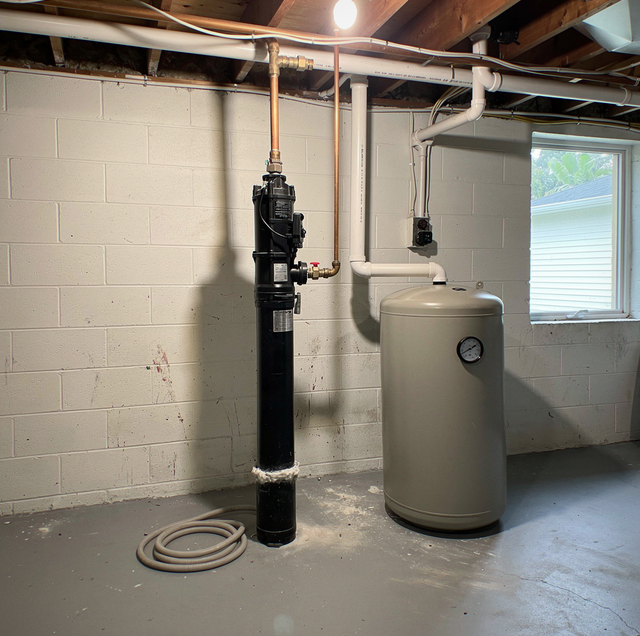
A water well pump is the heart of any private well system. It brings water up from underground, keeps your daily routines on track, and makes sure your home runs without a hitch. When it's working efficiently, the pump provides steady pressure, uses less electricity, and helps keep the system reliable for years. But once efficiency starts to slip, energy use goes up, equipment takes on more strain, and repairs become more likely.
As a professional well pump service provider, we help homeowners understand how pump efficiency works, what affects it, and how to keep their systems performing well over time. A well-maintained, efficient pump lasts longer, costs less to run, and provides a steady water supply for your household.
Understanding Pump Efficiency
Pump efficiency is a measure of how well your pump converts electrical energy into usable water. Put simply, it's about how much water your pump moves per unit of energy consumed. A highly efficient pump delivers more water with less power. Many things can affect efficiency: the pump's design, how well the impeller moves water, and friction or leaks inside the pump. Worn bearings, damaged seals, or blockages inside the system can keep a pump from performing at its best. When the system struggles to keep pressure or flow steady, energy use rises, and parts wear out faster.
When a system runs outside its ideal performance range, it may cycle too often or run longer than needed. Both situations use more electricity and put extra strain on components. Oversized equipment can push unnecessary pressure through the system, while an undersized unit may struggle to meet demand during peak usage. Keeping everything efficient relies on proper sizing, regular maintenance, and clear, unobstructed water pathways. During service visits, our team checks each of these factors to find ways to improve overall performance.
What Influences Water Well Pump Efficiency
Pump Design and Proper Sizing
A well pump should match the property's needs. A pump that is too powerful wastes energy and wears out quickly. An undersized one fails to deliver enough pressure. Proper sizing considers the depth of the well, the distance the water must travel to the home, household water use, and the number of fixtures in the home. A well-designed system operates within a specific performance range known as the best efficiency point. When pumps run too far outside this range, efficiency drops. The impeller design also affects performance. Impellers with damage, corrosion, or mineral buildup move water less efficiently and force the motor to work harder.
System Layout, Piping, and Flow Path
The way water travels from your well to your home affects how well the pump works. Narrow pipes create resistance, slowing the flow. Long stretches of pipe add extra friction, which lowers pressure. Sharp bends, elbows, and valves can also slow the water, making the pump work harder. Over time, sediment or hard water deposits build up inside the pipes, narrowing them even more. All of this forces the pump to use more energy and lowers the system's efficiency. Inspecting and maintaining piping layouts helps improve performance and reduce strain on the pump.
Operating Conditions and Water Demand
How a pump performs depends a lot on how it's used day to day. Pumps that run constantly because of leaks, high water use, or incorrect settings use more electricity. Pumps that keep starting and stopping may be dealing with wrong pressure tank settings, air issues, or worn parts. Those short cycles put extra stress on the motor and lower efficiency. Homes with irrigation systems, large families, or several water-using appliances can put extra demand on the system. Knowing how water is used helps make sure the pump and pressure tank are set up correctly.
Advanced Control Systems That Improve Efficiency
Modern well systems often benefit from variable frequency drives, also called VFDs or variable speed controllers. A system with a VFD adjusts motor speed based on the water required at the moment. Instead of running at one constant speed, the pump slows down when less water is needed and speeds up during higher demand. This ability to match performance to real use reduces energy consumption and mechanical stress. In many homes, the addition of a VFD brings noticeable improvements in pressure consistency and efficiency. Our team installs and services VFDs for homeowners seeking more control over their well systems.
How Maintenance Supports Pump Efficiency
Regular maintenance is the key to keeping your pump working well for the long run. Over time, minor issues can build up and lead to inefficiency. Bearings can wear out, seals start to break down, and sediment can accumulate inside the system. Pressure tanks can lose their air charge over time, causing the pump to cycle more than it needs to. Electrical connections might also loosen or corrode, adding to the strain.
Having a professional come out for an inspection can spot these issues before they turn into expensive repairs. During a maintenance visit, we'll check the electrical components, make sure the pressure tank settings are correct, assess the flow, and replace or clean any worn parts. These minor fixes go a long way in helping the pump last longer and avoid unexpected breakdowns.
Water quality also plays a role in how often maintenance is needed. If the water's hard or has a lot of minerals or sediment, it can build up inside the pump and plumbing. Installing a treatment or filtration system can protect the pump and make everything run more efficiently. In some places, water quality can change with the seasons or groundwater shifts. That's why regular water testing is essential; it helps figure out if treatment needs to be adjusted to keep the pump in good shape long term.
Why Efficiency Matters Beyond Lower Energy Bills
Better efficiency does more than reduce power use. It supports a more reliable water supply, fewer unexpected repairs, and greater comfort for the household. When a pump operates efficiently, it maintains steady pressure and reduces the risk of pressure fluctuations. It also minimizes the number of times the pump cycles on and off. This extends motor life and reduces stress on valves, fittings, and the pressure switch.
Efficient systems are also better for the environment. Lower power consumption supports more sustainable water use, especially in areas where wells are the primary water source. Homes that rely heavily on healthy water often experience noticeable improvements in monthly utility costs after optimizing the system. Efficiency also supports better performance in regions with fluctuating groundwater levels, where pumps may need to work harder during dry seasons.
What Our Technicians Evaluate During a Professional Pump Efficiency Assessment
A complete efficiency assessment looks at the pump as well as the system that supports it. Our inspections include:
- • Pump performance testing to evaluate motor load, power draw, and cycle frequency.
- • Pressure tank evaluation to confirm air charge levels, tank condition, and pressure switch function.
- • Flow and pressure measurements to determine whether the system meets household demand.
- • Internal pump inspection to identify worn bearings, damaged seals, or impeller issues.
- • Electrical review to confirm safe, stable connections and proper wiring.
- • Evaluation of piping layout for flow restrictions or friction losses.
- • Water quality testing to identify sediment or mineral content that may affect pump performance.
- • A review of the property needs to confirm that the pump is correctly sized for the home.
These evaluations allow us to identify the source of inefficiency and recommend corrective steps. Sometimes the solution is a repair or adjustment. In other cases, a modern upgrade or system redesign may be more cost-effective.
Steps Homeowners Can Take to Support Better Efficiency
While professional service is essential, homeowners can support long-term efficiency through simple habits. Checking the property for leaks helps reduce unnecessary pump cycling. Monitoring water pressure and reporting changes early helps catch problems before they escalate. Keeping the well area clear of debris and maintaining proper drainage around the wellhead reduces contamination risks. Routine water testing helps identify mineral changes or sediment concerns that may influence pump performance. Staggering high-demand tasks such as laundry and irrigation can also help maintain more stable performance.
Local Conditions That Influence Pump Efficiency
Geographic and environmental conditions often play a significant role in pump performance. Homes located near farmland may experience increased sediment or nitrate levels. Regions with naturally hard water may see faster mineral buildup in pumps and pipes. Mountainous or rocky areas may influence water pressure due to elevation changes. Coastal zones may experience salt intrusion. Seasonal changes affect groundwater levels and may cause pumps to work harder during dry months. Understanding these regional factors helps tailor maintenance schedules and efficiency strategies to the specific needs of each property.
Conclusion
A well pump that operates efficiently supports a comfortable home, reduces electricity use, and helps avoid unexpected repairs. Efficiency depends on proper sizing, good system design, regular maintenance, and clean water pathways. Modern upgrades and careful monitoring can improve performance and extend the lifespan of the system. As a professional well pump service provider, we help homeowners understand their systems and take steps to maintain strong performance year after year. If you want a complete evaluation of your pump's efficiency, we're here to help.
Pump Repair Services provides residential and commercial well pump repair, transfer pump repair, and custom water treatment system services in the Orlando area. (Sorry, no pool pumps or sewer pumps.) We offer 24-hour emergency service. Call us to learn more.