The Path to Sustainable Water Wells
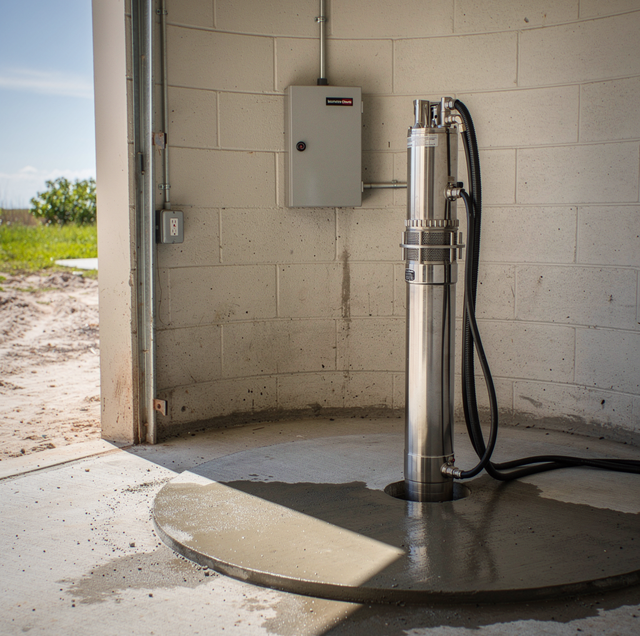
Sustainable water wells play an essential role in long-term water security for homes, farms, businesses, and communities. As more property owners rely on groundwater systems, the focus on building and maintaining wells responsibly continues to grow. Sustainable practices protect the aquifer, extend the life of the well, and support the well pump's performance and the overall water system. As a professional service provider, we help clients understand how well-designed construction choices, testing, and long-term maintenance influence the sustainability of their water supply. Learning what makes a well sustainable helps property owners make informed decisions that support reliable access to clean water for many years.
Why Sustainable Water Wells Matter
Sustainable water wells support groundwater health and protect the surrounding environment. A sustainable well does not draw water faster than the aquifer can naturally replenish. It also avoids unnecessary contamination risks and uses modern construction practices that reduce strain on the well pump. When sustainable methods are used, wells provide consistent performance even as seasonal water levels fluctuate. They produce cleaner water, require fewer repairs, and reduce the long-term cost of ownership.
Many regions face increasing pressure on groundwater supplies due to population growth, drought, and climate variability. Sustainable wells help reduce that pressure by improving efficiency and reducing waste. By focusing on responsible design and management, property owners help protect the aquifer for future generations while maintaining a dependable water source for their household or business.
The Role of Proper Well Design
Sustainability begins with design. Factors like well depth, casing size, screen selection, and placement all influence well performance. An adequately designed well promotes efficient groundwater flow and prevents unnecessary wear on the pump. The installation team evaluates geology, soil composition, sediment size, and expected water demand to determine the correct approach.
When wells are drilled too shallow, the supply may be unstable during dry seasons. When wells are drilled too deep, they may draw from sensitive aquifer layers unnecessarily. Sustainable design finds the balance between reliability and long-term aquifer protection. The screen slot size is selected to match the surrounding formation, allowing water to flow freely without drawing in excessive sediment. Casing material is chosen to resist corrosion and maintain structural integrity for decades. Each decision helps reduce stress on the well pump and maintain water quality.
Groundwater Protection and Sustainable Practices
Protecting the aquifer is a key part of well sustainability. Groundwater is a shared resource, and once it becomes contaminated, it is difficult and costly to restore. Sustainable well practices include proper site selection to avoid proximity to septic systems, chemical storage, or areas where runoff may carry pollutants. Wellheads must be installed above grade and sealed adequately so surface water cannot enter the system.
Backflow protection devices reduce the chance of contaminants entering the well. Proper grading and drainage around the wellhead help divert rainwater and debris. When property owners follow these guidelines, the risk of groundwater contamination decreases significantly. As a professional service provider, we often assist clients with protective upgrades when wells are older or located in environmentally sensitive areas.
Efficient Pumping and Sustainable Water Use
Sustainable water wells rely on efficient pumping systems that match the needs of the property. Oversized pumps waste energy and place unnecessary strain on the well. Undersized pumps may run continuously or struggle to maintain pressure, reducing efficiency and increasing long-term costs. A well-designed, efficient pump not only lowers electricity demand but also supports sustainable water use by preventing excessive pumping.
Modern pump technologies play a key role in balancing production with energy consumption. Variable-speed pumps, for example, adjust performance according to water demand, reducing unnecessary cycling and extending pump life. When a pump runs smoothly, without strain, it delivers water at a consistent, controllable rate, which helps maintain aquifer stability. Regular maintenance and performance inspections further ensure that the well produces water responsibly and sustainably.
Importance of Regular Water Testing
Routine water testing plays a crucial role in sustainability. Knowing what is in the water helps property owners detect contamination early and address problems before they affect the aquifer. Testing identifies bacteria, sediment, minerals, and chemical imbalances. Left untreated, these issues may damage the well pump, clog plumbing, or create health risks.
Testing also reveals changes in water quality that may indicate aquifer stress or system deterioration. Property owners who test their wells regularly can address issues through filtration, treatment, or maintenance. This helps protect groundwater while maintaining a reliable supply of clean water.
Sustainable Well Construction Methods
Modern well construction methods emphasize environmental responsibility. Drilling techniques designed to minimize disturbance to the surrounding soil help maintain stability. Using appropriate drilling fluids reduces the chance that the formation becomes damaged or compacted. Proper casing depth and sealing protect the aquifer and prevent surface water from infiltrating.
During construction, the drilling team monitors water depth, sediment characteristics, and flow response, these observations help determine final casing placement and screen selection. Sustainable construction ensures that the well performs consistently while reducing the risk of long-term problems.
Rehabilitation and Long-Term Performance
Even a well-built structure to the highest standards may require rehabilitation over time. Mineral scale, biofilm, and sediment accumulation can reduce water flow and increase pump strain. Sustainable healthy management includes periodic rehabilitation to restore flow and protect the system. Professional cleaning methods include brushing, airlifting, and controlled chemical treatment.
When performed responsibly, rehabilitation extends the useful life of the well without harming the aquifer. It also supports continued pump efficiency. By removing blockages and improving flow, the pump operates under optimal conditions and consumes less energy.
Conservation Practices That Support Sustainability
Groundwater sustainability depends on how water is used on the property. Simple conservation measures reduce overall water demand. Irrigation schedules can be adjusted to avoid waste, and leaks should be repaired promptly to prevent unnecessary pump cycling. Water-efficient fixtures reduce household use. Property owners who use water responsibly help reduce the load on their well system.
Balanced water use supports aquifer health and maintains stable water levels. When groundwater remains stable, the well pump operates under predictable conditions and the well produces water more efficiently.
Local Factors That Influence Sustainable Well Practices
Geology varies significantly across regions, and sustainable well practices must be tailored to local conditions. In areas with shallow aquifers, careful management is essential to prevent overpumping. Regions with sandy soils may require specialized screen designs, while areas with high mineral content often need filtration systems to protect the pump. Climate also plays a critical role in groundwater availability. Dry regions benefit from wells designed to accommodate seasonal fluctuations, whereas wetter climates require strategies to manage runoff and drainage effectively.
Understanding local factors helps determine the best practices for sustainable well management. Professional service providers draw on regional knowledge to recommend solutions tailored to the environment.
Signs That a Well May Not Be Operating Sustainably
Some wells show early signs of stress. Reduced water flow, cloudy water, pressure fluctuations, and frequent pump cycling may indicate that the system is under strain. An increase in sediment or changes in water taste can signal screen or formation issues. Rising electrical costs may reveal pump inefficiency. These signs often point to opportunities for rehabilitation, pump adjustment, or system redesign. Addressing early symptoms helps prevent larger problems. Sustainable well management relies on proactive care rather than waiting for major failures.
How Professional Services Support Sustainable Wells
Professional support ensures that wells remain safe, reliable, and environmentally responsible. Technicians evaluate pump performance, inspect casings, test water quality, and recommend upgrades when needed. Experienced professionals understand how each part of the system contributes to overall sustainability. They also help property owners adopt long-term strategies that support groundwater preservation.
Whether the well is new or decades old, ongoing professional involvement helps maintain its sustainability. Regular inspections and timely service extend the lifespan of both the well and the pump.
Conclusion
Sustainable water wells support clean water access, environmental responsibility, and long-term performance for homeowners, farmers, and businesses. A sustainable well begins with thoughtful design and continues with proper construction, regular testing, efficient pump operation, and responsible water use. As professional service providers, we help property owners understand what makes a well sustainable and how to preserve groundwater for the future. With the right practices and ongoing care, wells can provide reliable water for many years while supporting the health of the aquifer and the surrounding environment.
As a trusted quality well service with over three decades of experience, Pump Repair Services understand how to install and repair well pumps in Orlando. Our trained and certified technicians specialize in well pump repair, transfer pump repair, irrigation pump repair, and centrifugal pump repair. We can meticulously handle all pump-related issues. Call us for the best service experience.