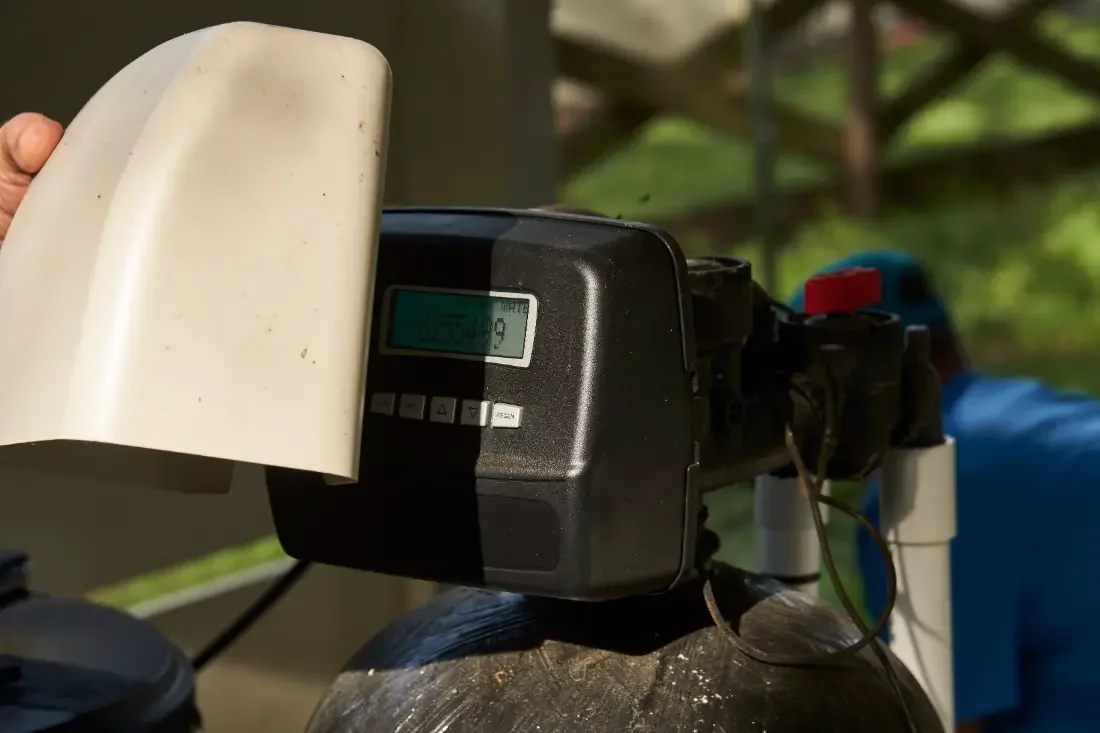
Restoring Water Supply with Professional Well Pump Repair
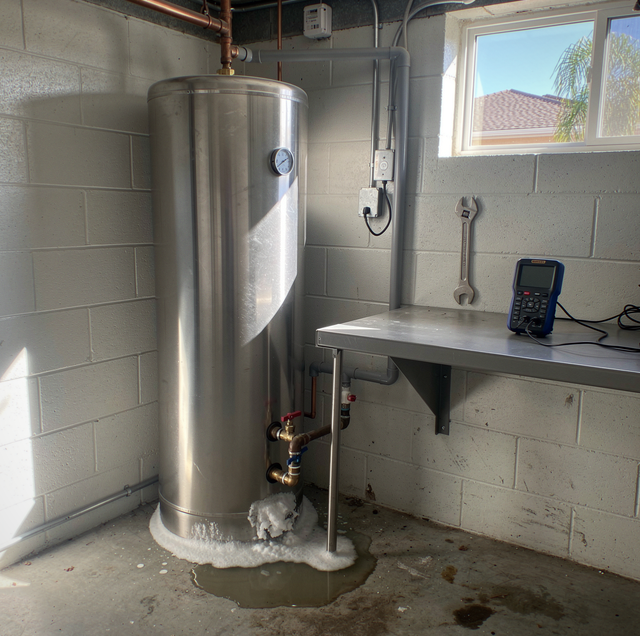
A working well pump is like a silent roommate who always pulls their weight, until they don’t. The moment water stops flowing from the tap, panic usually kicks in. Folks rely on that water for showers, dishes, hydration, and maybe even to keep a few stubborn houseplants alive. When things suddenly go dry, it isn’t just a minor inconvenience. It’s a full-blown disruption to daily life. Fortunately, professional well pump repair services specialize in restoring water supply without drama, guesswork, or mud-caked tools strewn across the backyard.
A working well pump is like a silent roommate who always pulls their weight, until they don’t. The moment water stops flowing from the tap, panic usually kicks in. Folks rely on that water for showers, dishes, hydration, and maybe even to keep a few stubborn houseplants alive. When things suddenly go dry, it isn’t just a minor inconvenience. It’s a full-blown disruption to daily life. Fortunately, professional well pump repair services specialize in restoring water supply without drama, guesswork, or mud-caked tools strewn across the backyard.
How Well Pumps Work
Understanding the well pump’s role makes it easier to appreciate how vital prompt and precise repair work really is. Most residential well systems depend on either submersible pumps or jet pumps. Submersible pumps dive deep into the well and push water upward, while jet pumps sit above ground and rely on suction. Both types include electrical components, pressure switches, and plumbing connections, all of which need to work in harmony to maintain steady water flow. When one part falters, the whole system stumbles.
Fluctuating Pressure and What It Means
One common symptom of well pump trouble is fluctuating water pressure. Imagine trying to rinse shampoo from your hair while the water pressure drops to a pathetic trickle. It’s not just frustrating, it’s also a sign that the pump may be struggling to keep up. Professionals diagnose this issue by checking for clogged filters, failing pressure switches, or weakened pump motors. They use specialized tools to test pressure levels and flow rates, giving them an accurate picture of what’s happening inside the system.
Noisy Pumps and Hidden Mechanical Failures
Another red flag comes in the form of strange noises. A well pump shouldn’t sound like a beatbox battle happening underground. Grinding, rattling, or humming can signal worn bearings, broken impellers, or air leaks in suction lines. Professional technicians follow those audio breadcrumbs to locate the problem, often using a stethoscope-like device to isolate the source of the racket. Once found, they repair or replace the affected part, restoring quiet efficiency and saving ears from further sonic trauma.
What to Do When Water Stops Completely
Total loss of water is usually the moment when people move from mild annoyance to full-fledged emergency. No water means no cooking, cleaning, or flushing. In these situations, technicians prioritize rapid response, but they don’t just rush in with a wrench and hope for the best. They start with electrical checks to verify power supply and inspect control boxes, fuses, and capacitors. In many cases, a tripped breaker or blown fuse can stop water in its tracks, and identifying the cause helps prevent repeat performances.
Troubleshooting the Pressure Tank
When power isn’t the culprit, technicians examine the pressure tank and piping system. A waterlogged pressure tank can cause the pump to short-cycle, turning on and off rapidly and eventually burning out. By checking air pressure in the tank and inspecting for leaks or sediment buildup, professionals determine whether the tank needs repairs, recharging, or a complete replacement. This type of diagnosis prevents premature pump failure and brings back reliable water flow.
Handling a Full Pump Replacement
In cases where the pump itself has failed, replacement becomes necessary. But pulling a submersible pump up from a hundred feet below the ground isn’t the kind of job someone tackles on their lunch break. It requires hoisting equipment, torque arrestors, safety cables, and a good deal of experience. Professionals follow safety protocols, secure the well casing, and handle wiring with care. They select replacement pumps based on flow requirements, depth, and system compatibility, no guesswork involved, just solid numbers and field knowledge.
Smart Upgrades During Repair
A professional repair job often includes preventive upgrades that extend system life and improve performance. Installing a constant pressure controller, for instance, maintains even water flow during multiple appliance usage, no more mid-lather pressure dips when someone starts the dishwasher. Surge protectors shield sensitive pump electronics from lightning strikes and voltage spikes. These additions make the system more robust and reduce the chances of future disruptions.
Water Quality and Long-Term Pump Health
Water quality plays a sneaky role in well pump health. High iron content, sediment, or hard water minerals can damage internal pump components over time. Professionals frequently test water during service visits to spot hidden culprits. If needed, they recommend and install filtration systems that reduce wear and help the pump operate at peak efficiency. It’s a bit like giving the pump a personal trainer to keep it in shape and performing its best.
The Importance of Routine Maintenance
Routine maintenance is the unsung hero of pump longevity. Regular inspections catch minor problems before they turn into major headaches. Professionals clean screens and filters, lubricate moving parts, check connections, and test performance metrics. Like a dental checkup, these visits may not seem urgent until something painful erupts, and then it’s too late. Scheduling service annually keeps everything flowing smoothly and helps avoid emergency calls.
Educating Homeowners Along the Way
Technicians don’t just repair pumps; they also educate homeowners. Understanding warning signs, like sudden pressure drops, unusual noises, or rising electric bills, empowers people to call for help before a breakdown happens. Service professionals explain these symptoms in everyday language and offer guidance on what to watch for between visits. Clients walk away with more than a fixed system, they walk away with knowledge that supports long-term reliability.
Staying Compliant with Health Codes
Repairs also bring regulatory considerations into play. Local health codes often dictate how wells must be constructed, maintained, and repaired. Professionals stay up to date on those regulations and perform repairs that meet all standards. This process protects homeowners from fines or liability issues and maintains the legal status of their water source. It also helps preserve water safety for those relying on private wells for cooking and drinking.
Adapting Repairs to Local Conditions
Weather and geography factor into repair strategies as well. Areas with heavy rainfall or seasonal flooding require sealed well caps and waterproof electrical components to prevent contamination. In colder regions, freeze protection becomes vital, frozen lines can lead to burst pipes and damaged pumps. Professionals customize repairs to match the regional environment, using components rated for specific conditions and adapting installation methods accordingly.
Professional Repairs vs. DIY Attempts
Financial considerations matter too, and professional repairs often prove more cost-effective than repeated DIY attempts. Incorrectly installed components can shorten pump life and void manufacturer warranties. Skilled technicians do the job right the first time, which means fewer callbacks, less stress, and better long-term value. Transparent pricing, detailed service records, and warranty support sweeten the deal, making professional service a practical choice as well as a smart one.
Emergency Repair Services You Can Count On
Emergency repair services add another layer of peace of mind. When water suddenly stops and panic sets in, knowing help is one phone call away makes a big difference. Professional teams respond quickly, arrive equipped, and communicate clearly. They don’t make vague guesses or promise the moon—they diagnose, explain, and resolve the issue using tried-and-true techniques. Homeowners are left with running water, solid repairs, and a renewed appreciation for modern plumbing.
Early Signs of Trouble: Don’t Ignore Them
Not all well pump problems are dramatic. Sometimes it’s just low water flow during peak hours or a pump that seems to run a little too often. Subtle issues like these hint at deeper system imbalances or aging components. Professionals investigate patiently, using pressure gauges, flow meters, and wiring tests to isolate the problem. Solving small issues early avoids larger problems down the line.
Why Professional Well Pump Repair Is Worth It
Choosing professional well pump repair services brings peace, performance, and practicality together. Technicians understand the systems, have the tools, and apply years of hands-on experience to every call. They take something stressful, losing water, and turn it into a manageable repair with lasting results. No guesswork. No mess. Just clean water flowing again, just as it should.
Pump Repair Services is a reliable company offering well pump services to residential and commercial customers in Orlando and the surrounding areas. Our team offers prompt and efficient solutions, whether you have above or below ground wells. We can install and repair a variety of pumps, also providing 24-hour emergency services. We combine quality equipment with technical knowledge to keep your pump working efficiently. Call today!