Sustainable Solutions: Repairs and Maintenance for Solar Pumps
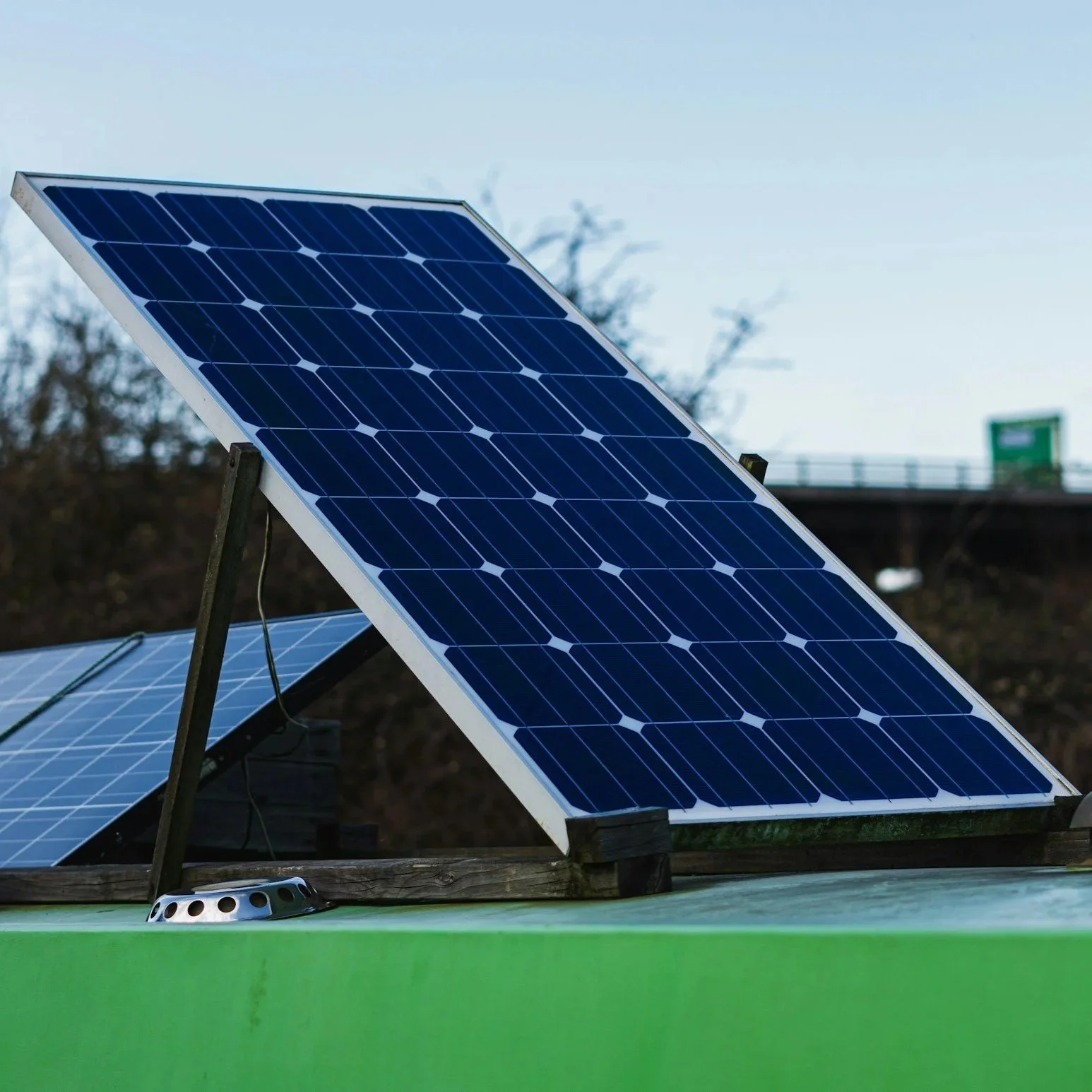
These systems pump water from wells, move it through irrigation channels, circulate it in ponds, or support remote livestock stations—all powered by sunshine.
Solar-powered pumps bring together two of the best tools for sustainable water systems—sunlight and efficient water movement. These systems pump water from wells, move it through irrigation channels, circulate it in ponds, or support remote livestock stations—all powered by sunshine. Although the earliest adopters might remember solar pumps as finicky, modern systems work reliably for years when they receive proper care.
Even the best-built systems need maintenance. Neglect leads to buildup, corrosion, worn parts, or even total system failure. With simple, regular servicing by an experienced pump repair technician, solar pumps can continue delivering water dependably.
Understanding Your Solar Pump System
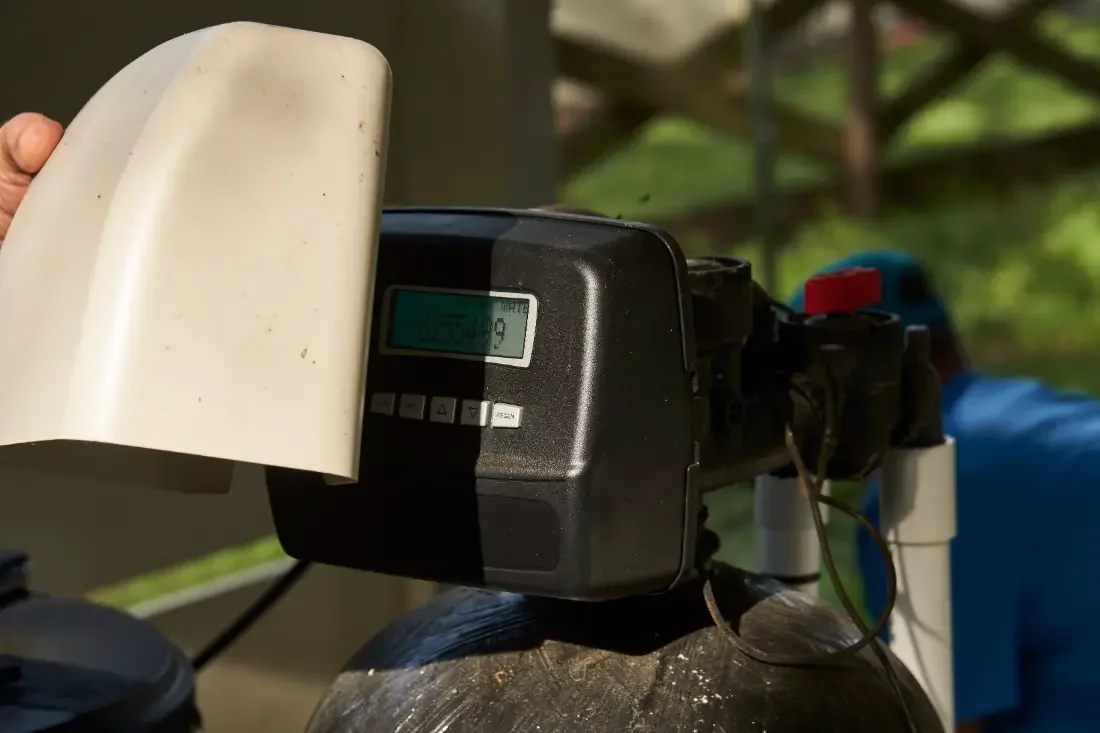
A solar pump system gathers energy through photovoltaic panels, sends power through cables into a controller that smooths power delivery, and runs a pump to move water. Sometimes backup batteries or inverters are part of the setup, too. Each part has a job—panels harvest energy, cables carry it, controllers protect it, and pumps move the water. Most systems operate automatically, switching on when sunlight hits panels and shutting off when water demand drops or battery levels change.
Instruction manual wisdom holds true: know your system. Technicians who understand the components can detect early-stage issues long before symptoms show.
Solar Pumps Show Signs When Something's Off
Solar pumps speak through vibrations, sounds, and performance shifts. A little rattle? That could be a pump bearing starting to fail. A pop at startup might be debris caught near the impeller. Reduced flow under full sun often points to blocked intake or damaged pump vanes.
Just as you listen for odd noises under your car's hood, tuning into your solar pump's signals can help catch minor issues early. Professional pump technicians view these signals more like Morse code: clear indicators that a check-up is needed. Technicians check bolts, wear parts, lines, filters, and panel cells. This preventive care stops minor issues from turning into flood repairs or expensive replacements later.
Weather Tests Your System Long-Term
Sunny days are perfect for solar-powered pumps. Clouds, rain, and cold weather aren't so ideal—but the right design and preventive care keep systems reliable year-round. Rain gutters may need cleaning to prevent panel shadows. Cold-climate systems require freeze protection or shut-off programming.
A professional solar pump technician analyzes local weather patterns and adapts the system to seasonal differences. Some controllers allow temperature sensors or smart settings that pause operation when icing risk is high. Situated correctly, panels stay clear, even in winter, to harvest weak sunlight.
Building a maintenance plan that accounts for weather means the same flow in all seasons and no surprise wilted fields in springtime.
Protecting Pumps from Poor Water Quality
Water quality dramatically affects pump life. Sediment, minerals, grit, and chemicals leave marks on pump components. Hard water can clog valves or build up scale. Brackish or acidic water can corrode housings and fittings. Root intrusion may clog intakes.
Proper filtration and sediment management are key to management. Simple intake filters or sand traps prevent abrasive particles from damaging internal parts. Technicians test water regularly—pH, turbidity, mineral concentration—and recommend filters, treatment schedules, or material changes. A clean intake and pump life cycles last far longer, saving money and frustration.
Technology Gives Modern Maintenance an Edge
Pump repair isn't just tools and wrenches anymore. Modern systems include performance trackers and sensors wired into controllers—or even connected to your phone. Flow, voltage, current, and temperature are monitored continuously.
Technicians use diagnostic tools, laptops, and IV curves to track system efficiency over time. A panel underperforming by ten percent? May signal a shadow, broken cell, or wiring issue. Declining pump efficiency? This could mean a blocked suction or a worn impeller.
Data logging lets technicians predict issues rather than wait for failure. Preventive maintenance plans can be based on system history, not just yearly calendar checks.
Rapid Response Means Less Downtime
When problems occur—and they will—an experienced technician is part plumber and part detective. Arriving with spares like O-rings, gaskets, impellers, tension bands, wiring tools, controller sections, cleaners, and lubricants guarantees fast resolution.
Most technicians stock standard parts for typical pumps, controllers, and fittings. They arrive prepared, diagnose swiftly, and fix problems on the spot. That keeps water flowing with minimal downtime.
Upgrading for Better Performance
Older solar pumps might work, but they often offer potential improvements. Newer controllers handle variable voltage, soft starting, remote monitoring, and faster troubleshooting. Modern panels are more efficient and have improved output even in low-light conditions. Pumps now come with magnetically coupled motors and corrosion-resistant ceramic-lined impellers with better performance.
A professional pump technician audits your whole system every few years. Based on usage and environment, they recommend a controller upgrade, panel expansion, or inline filtration improvement. Incremental upgrades like these enhance sustainability without full system replacements.
Clean Environment and Pump Safety
A well-maintained pump keeps a cleaner ecosystem. In pond systems or livestock setups, clean water circulation prevents stagnation and mosquito breeding. Solar pump upkeep makes sure waterways continue flowing healthily.
Professional care includes inspecting valves, pressure sensors, and float switches to maintain consistent operations. Measuring pump performance verifies that nothing is wasting energy or producing noise.
Energy Savings and Cost Benefits
Even in off-grid operations, energy efficiency matters. A system running with clogged filters or degraded panels uses more panel area or oversizes batteries. Restoration to peak specs improves energy efficiency and reduces overall capacity needs.
An upgraded pump, a cleaner panel, and a well-tuned controller can reduce wasted energy by 20 to 30 percent—all without increasing system size.
Documenting Maintenance and Future Readiness
Modern systems benefit from record-keeping. Technicians track cleanings, upgrades, part replacements, and repairs. That information improves service, supports warranties, and helps future troubleshooting.
A well-documented history impresses inspectors, grant reviewers, or auditors. Tracking costs and uptime helps owners determine when replacements or expansions are necessary.
Safety Protocols Matter
Solar pump systems involve electricity, water, and moving parts. Technicians follow safety protocols—lockout and tagout, dry working conditions, protective gloves, and electrical safety checks. Safe upkeep means long-term reliability without accidents.
Environmentally-Friendly Disposal
Solar pump components eventually reach the end of life. Old controllers, batteries, worn seals, tubing, and broken impellers need disposal. Responsible pump services handle the recycling and proper recycling of motors, electronics, batteries, and plastics.
That matches the overall goal—an eco-friendly setup from initial installation to final component recycling.
Maintaining Performance Through Changing Times
Solar pump systems often serve remote pastures, disaster recovery sites, remote cabins, or wildlife ponds. A functional failure can cause significant disruption. Regular servicing secures sustainable water through technology and smart maintenance.
Preparing for Expansion and Future Needs
As demand grows, systems need to be upgraded. Adding another row of panels or a higher-capacity pump may be required. Experienced technicians help assess designs and costs for expansion.
Making a smart upgrade now avoids future disruption or system strain.
Conclusion
Solar pumps are sustainable water solutions with low operating costs, silent performance, and minimal carbon footprint—true silent heroes of off-grid and remote water systems. Proper maintenance and repairs ensure stable operations even in changing seasons and conditions.
Panel cleaning and vegetation clearing, controller firmware upgrades, impeller cleans, quick part swaps, filter replacements, water testing, performance tuning, and safety updates all play a part in a well-kept system.
Working with a qualified pump repair expert guarantees help when you need it, rapid tension fixes when something goes wrong, future-proof upgrades when more performance is required, and water that flows dependably for years after installation.
Pump Repair Services is a reliable company offering well pump services to residential and commercial customers in Orlando and the surrounding areas. Our team offers prompt and efficient solutions, whether you have above or below ground wells. We can install and repair a variety of pumps, also providing 24-hour emergency services. We combine quality equipment with technical knowledge to keep your pump working efficiently. Call today!