Maximizing Irrigation Efficiency with Quality Pump Maintenance
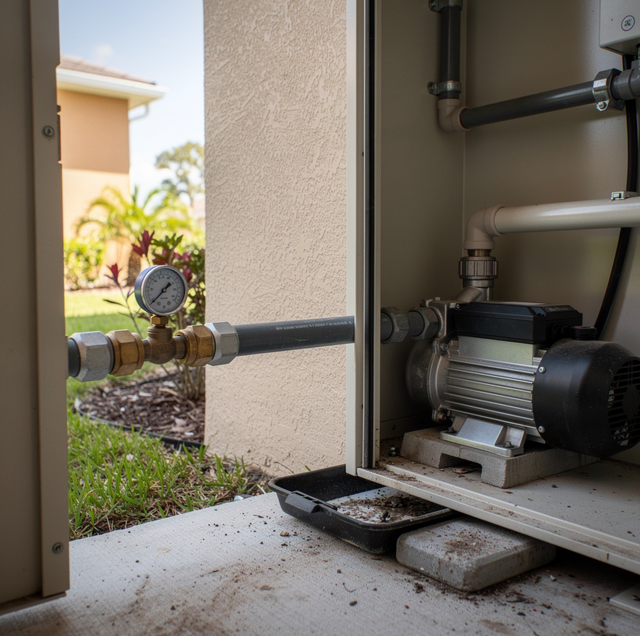
An irrigation pump is the hardworking middleman between water sources and thirsty landscapes. It doesn't ask for recognition, but it does demand some attention to keep crops, turf, or gardens flourishing without hiccups. Whether pulling from a well, reservoir, or storage tank, the pump's job is to pressurize and evenly distribute water across zones—without skipping, sputtering, or delivering a disappointing drizzle when a steady stream is needed.
Professionals don't just toss a pump into the system and call it good. They calculate flow demand, dynamic head pressure, and friction losses with a calculator in one hand and a piping diagram in the other. Without those details in place, pumps end up oversized, undersized, or misaligned—none of which bodes well for long-term success.
Why Routine Service Keeps Efficiency In Check
An irrigation pump doesn't always announce when something's amiss. Flow may taper slowly, pressure might dip during peak demand, or cycles could begin stretching longer than they used to. When regular maintenance slips, performance takes a hit—and that creates a ripple effect across zones, nozzles, timers, and pressure regulators.
Routine service means checking electrical draw, inspecting seals, cleaning filters, and recalibrating control settings. Professionals catch what's hiding below the surface: wear on impellers, early signs of cavitation, or mineral buildup that's quietly choking output. With regular attention, the system continues delivering water where it's needed—without wasting energy, time, or precious resources.
Debris Can Derail Performance
Irrigation pumps rarely operate in pristine conditions. They draw from natural or stored sources, and those can include leaves, twigs, sand, or the occasional mystery sludge. Left unchecked, debris clogs intake screens, scores impellers, and increases motor strain. Suddenly, what was a smooth, even spray turns into a misaligned jet or an uneven patch of green that seems to have its own personality.
Professionals incorporate screening solutions, clean-out ports, and sediment traps to keep foreign material where it belongs—out of the pump's way. During service visits, they check for suction-side leaks, cracked housings, and signs that the pump is pulling more than water. Removing just one unexpected guest from the intake line can breathe new life into an underperforming system.
Pressure Matters More Than You Think
Irrigation systems rely on consistent pressure to distribute water evenly across multiple zones. One rogue nozzle spraying harder than the rest or a drip line sputtering at half volume points to deeper pressure regulation problems. If pressure fluctuates, plants suffer. Some stay dry, others drown, and no one wins—except the weeds.
Professionals use pressure gauges, flow meters, and system charts to identify whether the pump is producing the correct output for the design. Adjustments might involve tweaking a pressure tank, swapping out a worn diaphragm, or recalibrating the pump speed if a variable-frequency drive is involved. It's not about guesswork—it's about measurement, diagnosis, and control.
Electrical Components Don't Always Play Nice
An irrigation pump without power is just an expensive lawn ornament. Faulty wiring, loose terminals, aging contactors, and misbehaving control panels can all bring the system to a halt. When electrical components start misfiring, the symptoms range from short cycling to total silence.
Service professionals test amperage draw, inspect connections, and trace voltage across the system to detect faults before they become field failures. If the motor runs hot, the capacitor hums, or the controller starts blinking like it's possessed, a well-timed repair can prevent a much bigger bill. That kind of insight comes from testing under real-world conditions, not relying on best guesses.
Pump Sizing Isn't Set-And-Forget
What worked for a small garden might not cut it for a newly landscaped estate. Irrigation demands change over time—new zones, different emitters, more complex watering schedules. A pump sized for yesterday's needs might struggle today, running longer cycles or never quite building enough pressure to meet the system's requirements.
Professionals review system design during maintenance visits. If the layout has changed or demand has increased, they'll recommend adjustments that align with the pump's capacity within the current configuration. Sometimes it's a matter of upsizing. Other times, it's about balancing the zones to avoid overloading the pump. Either way, matching pump output to actual demand is what keeps the whole setup running smoothly.
Leaks Turn Into Puddles And Headaches
A little drip here, a small crack there—minor leaks tend to stay hidden until they start creating swampy spots or destroying pump pressure. Irrigation lines often snake underground, so leaks can waste water and undermine efficiency for weeks without ever surfacing. Pumps overcompensate, running longer and harder than they should, wearing themselves down in the process.
During professional maintenance, the system is pressurized and monitored for drops that don't match normal usage. If a line has failed or a joint has worked loose, technicians trace the problem, repair it properly, and test again to confirm it's sealed tight. That way, water lands where it should—in the soil, not on the electric bill.
Cavitation Is The Enemy Of Silence
When a pump starts making noise like a gravel mixer, cavitation might be the culprit. Cavitation happens when the pump's suction creates vapor bubbles that collapse violently inside the impeller chamber. It's loud, it's damaging, and it significantly shortens system lifespan if left unresolved.
Professionals know the signs: rattling, vibration, and flow that doesn't match pressure readings. Solving it requires more than swapping parts. It might involve adjusting the suction head, relocating the pump, or redesigning the inlet system to reduce turbulence. That level of fix requires experience and a bit of mechanical empathy—not just a wrench and good intentions.
Seasonal Maintenance Keeps Systems Sharp
Irrigation pumps often sit idle during colder months, especially in climates where freeze protection matters. When spring rolls around, those systems don't always wake up gracefully. Debris accumulates. Seals dry out. Control settings drift into strange territory. Jumping straight into the watering season without a professional tune-up often results in sputtering starts and weak output.
A seasonal check includes priming the pump, flushing the lines, testing zone valves, and inspecting wiring for critter damage. Professionals also calibrate timers, replace worn gaskets, and test sensors if the system includes weather-based controls. That early attention sets the stage for a season of reliable water delivery without a single missed bloom or dry patch.
Pumps Need Room To Breathe
Proper pump placement can extend equipment life by years. A pump crammed into a damp pit or buried beneath landscaping mulch doesn't breathe well. That heat buildup shortens motor life and invites corrosion. Add in exposure to rodents, insects, and debris, and the odds of premature failure spike sharply.
Professionals install pumps in well-ventilated areas with adequate drainage and service access. They apply weatherproofing techniques, recommend pest deterrents, and protect electrical components from the elements. It's not just about longevity—it's about making future maintenance simpler, faster, and safer.
Upgrades Improve Control And Efficiency
Today's irrigation systems can do more than just run on timers. With the right upgrades, pumps can respond to soil moisture, weather conditions, or pressure fluctuations in real time. Variable frequency drives, smart controllers, and flow sensors allow systems to operate only when needed—and only at the required output level.
Professionals recommend upgrades based on actual usage. If a landscape has become more complex or a water source has changed, a smarter control system might be the answer. Rather than watering blindly, the system responds to feedback, adjusting cycles to match demand and reduce waste. It's water-wise, wallet-friendly, and surprisingly satisfying to watch in action.
System Longevity Depends On Attention To Detail
Irrigation pumps aren't indestructible, but they can run reliably for years when they're treated with respect. That means regular maintenance, smart upgrades, prompt repairs, and a little bit of human oversight. Professionals bring the tools, the training, and the sixth sense that comes from solving pump problems year after year.
Nothing frustrates a landscape more than inconsistent watering. Plants wilt, roots rot, and sprinkler heads spin with a kind of aimless optimism. With a properly serviced irrigation pump at the heart of the system, everything above ground stays healthier, greener, and far less dramatic—no hose dragging required.
Pump Repair Services is proud to offer transfer pump repair, irrigation pump repair, centrifugal pump repair, and submersible pump repair services to home and business owners in Orlando and the surrounding areas for over three decades. We maintain a clear line of communication and ensure timely job completion. We also offer pump sales, installation, and service, and are well-equipped to handle a wide variety of pumps. 24-hour emergency services available. Call today to get comprehensive solutions for any well or pump-related issue.