Improving System Reliability with Centrifugal Pump Repairs
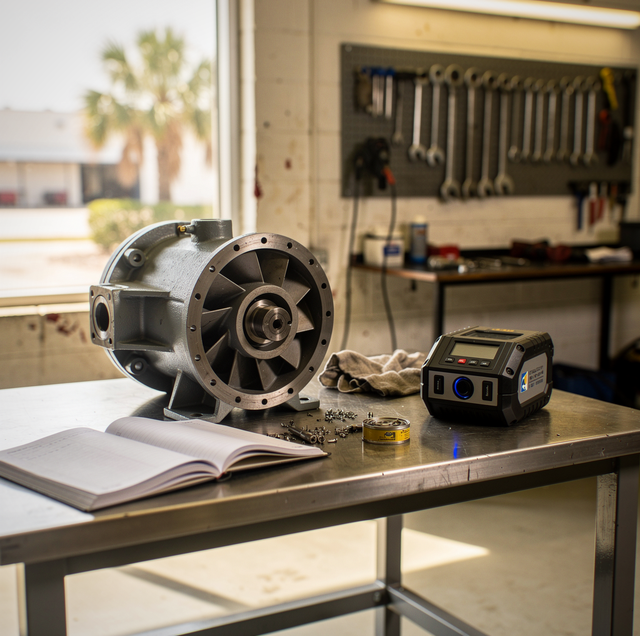
Centrifugal pumps rarely get the recognition they deserve. They’re not glamorous, and they definitely don’t trend on social media. But day after day, they move fluids with unwavering consistency—until something goes off the rails. Then they become the center of attention in the worst possible way.
When a centrifugal pump fails, operations stall, alarms go off, and productivity drops faster than a wrench in a drainage pit. That’s why timely repairs aren’t just helpful—they’re vital. Preventing catastrophe isn’t always about replacing entire systems. Often, it’s about catching the warning signs early and giving pumps the attention they’ve quietly earned.
Common Culprits Behind the Chaos
Pumps don’t just break down for fun. There’s always a cause hiding beneath the surface—or rattling around inside the casing. Bearings start to wear. Impellers accumulate debris or get damaged by abrasive fluids. Seals begin to leak. And before long, the pump goes from reliable workhorse to grumbling liability.
One of the sneakiest troublemakers? Cavitation. It sounds fancy, but it’s basically vapor bubbles forming in the wrong place at the wrong time. When they collapse, they create miniature explosions inside the pump. Over time, that leads to pitting, erosion, and enough internal damage to sideline a pump entirely.
Technicians trained in centrifugal pump repair know how to spot these early symptoms. Addressing cavitation damage, cleaning the impeller, and adjusting operating conditions can save a pump’s life—and the sanity of the people depending on it.
Repair Over Replace: The Budget-Saving Underdog
Replacement always sounds tempting. New equipment! Shiny paint! Zero hours logged! But reality has a way of sobering up that excitement. New pumps mean big bills, long lead times, installation headaches, and the occasional “why doesn’t it fit?” discovery. Repairs, on the other hand, are faster, more affordable, and often just as effective.
Experienced technicians can revive a pump that seems destined for retirement. They rebuild worn components, restore tolerances, and often leave the pump running better than it has in years. Not only does that stretch the original investment, but it also dodges the downtime spiral that often comes with major replacements.
Alignment: More Than Just a Buzzword
If a pump’s alignment is off, the entire system feels it. Shaft misalignment may not be visible to the naked eye, but it’s loud and clear to anyone who has dealt with the aftermath. Bearings wear prematurely. Vibration ramps up. Motors overheat. And before long, maintenance crews start developing a close personal relationship with the same unit again and again.
Proper alignment during pump repair isn’t just a technicality—it’s a game-changer. Technicians use laser alignment tools and precision shimming to bring everything into balance. That small correction has a big impact on reliability, helping pumps run smoother, cooler, and longer.
Seal The Deal (Literally)
Leaks from mechanical seals are more than just annoying. They create slip hazards, introduce contaminants, and signal deeper issues brewing inside the pump. Sometimes it’s heat. Sometimes it’s pressure. Sometimes it’s just time catching up with a seal that’s seen too many cycles.
Replacing seals during repairs isn’t just cleaning up the mess—it’s restoring the integrity of the system. It stops fluid loss, protects the bearings, and keeps the entire pump environment cleaner and safer. A fresh seal might be small, but it’s mighty when it comes to long-term performance.
The Role of Vibration Analysis (AKA Your Pump’s Mood Ring)
Pumps don’t cry for help, but they do vibrate. Slight changes in vibration patterns often hint at bigger problems ahead—imbalance, looseness, or impending bearing failure. It’s the pump’s way of whispering, “Hey, something’s not quite right here.”
Vibration analysis during a repair visit helps decode those whispers before they turn into screams. Technicians track changes over time and use that data to pinpoint root causes. The result? Fewer surprises, fewer breakdowns, and a lot more peace of mind.
When Bearings Break Bad
No one ever wants to hear the telltale screech of a bearing biting the dust. It’s a sound that spells trouble, downtime, and often the start of a parts scavenger hunt. Bearings play a critical role in keeping the pump shaft spinning smoothly with minimal friction. When they degrade, everything else suffers.
Pump repair professionals don’t just swap out bad bearings. They inspect the housing, clean out contaminants, and assess lubrication health. The goal isn’t just to replace what’s broken—it’s to restore what’s worn and prevent it from breaking again next week.
Efficiency Isn’t Just a Buzzword—It’s the Whole Point
Operating a centrifugal pump outside of its best efficiency point is like pushing a shopping cart with a jammed wheel. It’ll move, but not happily. Pumps that run too far off-curve consume more energy, experience more stress, and deliver underwhelming performance.
Repairs help realign pumps with their designed operating parameters. Rebalancing impellers, unclogging flow passages, and recalibrating settings can all boost efficiency. Less wasted energy, better flow rates, and a lower electricity bill—all from a well-executed repair.
Documentation: The Unsung Hero of Long-Term Success
Ask any technician, and they’ll tell you: a good paper trail is worth its weight in torque wrenches. Detailed repair documentation isn’t just for audits—it’s a roadmap to reliability. It helps teams spot patterns, plan preventative maintenance, and avoid repeating past mistakes.
Professionals record vibration levels, component wear, alignment specs, and every adjustment made. Down the road, that documentation becomes a powerful tool for predicting needs and avoiding downtime. Future you will be extremely thankful.
Customized Maintenance Plans: Not Just for Overachievers
Not all pumps live the same life. Some spend their days moving clean water in temperature-controlled environments. Others battle high-solids slurry in extreme heat. A one-size-fits-all maintenance plan doesn’t respect that kind of diversity—and it doesn’t work.
Professional repair services build custom maintenance schedules based on actual usage conditions. Technicians evaluate environment, duty cycle, and performance goals to develop realistic plans. It’s less about bells and whistles and more about practical reliability that meets the real-world needs of each system.
The People Behind the Pumps
Behind every reliable centrifugal pump is a technician who knows their stuff. Not just where to tighten the bolts or how to replace a shaft sleeve, but how to read the subtle cues that something’s off. That sixth sense comes from years of experience—and probably a few late nights battling the laws of thermodynamics.
They ask the right questions, dig deeper than the symptoms, and fix problems before they start. They don’t just repair equipment—they restore trust in the system. And sometimes, they even do it with coffee in one hand and a wrench in the other.
Pump Repair Services is proud to offer transfer pump repair, irrigation pump repair, centrifugal pump repair, and submersible pump repair services to home and business owners in Orlando and the surrounding areas for over three decades. We maintain a clear line of communication and ensure timely job completion. We also offer pump sales, installation, and service, and are well-equipped to handle a wide variety of pumps. 24-hour emergency services available. Call today to get comprehensive solutions for any well or pump-related issue.