Improving Efficiency with Timely Transfer Pump Repairs
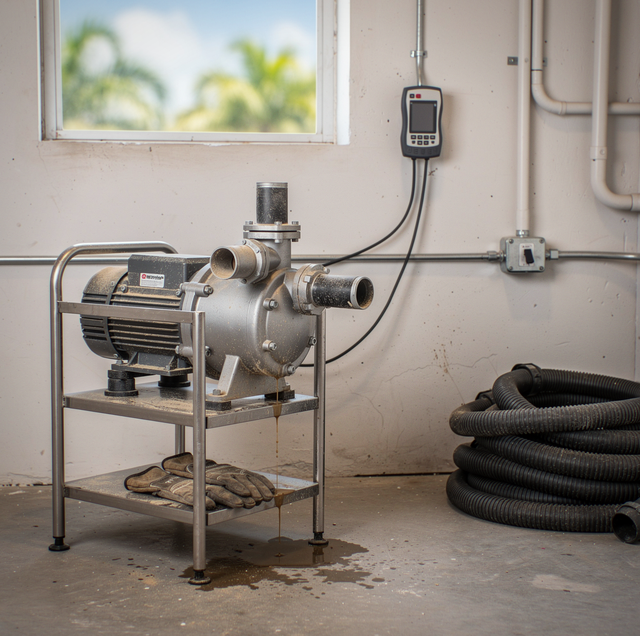
Transfer pumps are the unsung workhorses behind many fluid handling operations. When they operate smoothly, nobody notices—kind of like that one friend who always quietly makes sure the coffee pot is full. But when transfer pumps falter, the effects ripple through the entire system, dragging down productivity and inflating costs. Timely repair plays a starring role in maintaining pump efficiency and keeping operations humming along without unexpected hiccups.
Understanding How Efficiency Slips Away
Pump efficiency doesn’t just decline overnight. It sneaks away quietly, often disguised as small performance quirks that are easy to overlook. Reduced flow rate, fluctuating pressure, or unusual noises might seem minor at first, but these symptoms point toward wear or damage slowly sabotaging the pump’s output.
Impaired components like worn impellers or degraded seals cause the pump to work harder to move the same amount of fluid. Imagine trying to breathe through a straw while jogging—something’s going to give, and it won’t be pretty. That extra workload draws more power, drives up operational costs, and puts additional stress on connected equipment.
Professional transfer pump repair identifies these inefficiencies early, addressing the root causes before they cascade into full-blown failures. Small repairs today can prevent big headaches tomorrow.
The Hidden Costs of Delaying Repairs
Delaying repair might seem like an easy way to save a few bucks in the short term. However, ignoring the signs usually ends up costing more—much more—when pumps break down completely or damage other parts of the system.
A failing pump can cause pressure fluctuations that stress pipes, valves, and fittings, accelerating wear across the board. It’s like a domino effect, but less graceful and more expensive. The longer the problem lingers, the more energy the pump wastes, driving up utility bills.
Unplanned downtime due to pump failure isn’t just frustrating—it often disrupts schedules, slows production lines, and frustrates everyone from operators to management. A timely transfer pump repair keeps those dominoes standing and operations running smoothly.
How Skilled Technicians Approach Repair Differently
Professional transfer pump repair isn’t about quick fixes or patch jobs. Experienced technicians take a systematic approach, combining diagnostic tools and practical know-how to pinpoint exact causes of inefficiency.
Flow tests, vibration analysis, and pressure monitoring reveal hidden problems lurking beneath the surface. Worn bearings, imbalanced impellers, or electrical irregularities aren’t just spotted; they’re targeted with precision repairs.
Technicians also calibrate pumps to optimal performance levels. It’s a bit like tuning a race car engine—not just making it run, but helping it run at peak efficiency. This calibration translates into steady flow rates, consistent pressure, and less energy use.
The Role of Preventative Maintenance in Efficiency
Waiting for a pump to show visible signs of trouble before calling for repair can be risky. Preventative maintenance programs keep pump systems in check by catching issues early, often before inefficiency even becomes noticeable.
Regular inspections and tune-ups include cleaning strainers, lubricating moving parts, and checking seal integrity. Each task might seem small alone, but combined, they keep the pump running lean and mean.
Maintenance professionals also track performance data over time, identifying subtle trends that might signal developing problems. Early intervention through preventative care prevents efficiency from sliding off a cliff unexpectedly.
How Repair Enhances Energy Efficiency
An efficient pump doesn’t just move fluid; it uses less energy to do it. Transfer pump repair directly influences energy consumption by restoring smooth flow and eliminating resistance in the system.
When components wear down or misalign, pumps draw more power to compensate for lost performance. This inefficiency translates into higher electricity bills and additional heat generation that can shorten equipment life.
Replacing worn parts and recalibrating pumps reduces energy waste, lowering operational costs. Facilities that prioritize timely repair often see noticeable improvements in their energy profiles—a win for budgets and environmental footprints alike.
Recognizing When Repair Is the Right Choice
Not every hiccup demands a full-scale overhaul. Skilled technicians evaluate whether repair provides a cost-effective solution or if replacement might offer better long-term value.
Factors like the pump’s age, operating conditions, and repair history influence that decision. A pump with extensive wear or outdated technology might spend more downtime in repair shops than on the job.
Choosing repair when appropriate keeps budgets in check and avoids unnecessary equipment turnover. The key lies in expert assessment rather than guessing games or knee-jerk reactions.
Common Repair Challenges and How Professionals Handle Them
Some transfer pump problems can be tricky to diagnose. Intermittent flow interruptions, for example, might result from multiple interacting issues such as valve malfunctions, air entrainment, or electrical inconsistencies.
Professionals bring a toolkit of specialized equipment and experience to untangle these complexities. They methodically test each component, ruling out potential causes until the root problem stands exposed.
That careful approach avoids misdiagnosis and repeated repairs, saving time and money in the long run. A well-executed repair means the pump spends more time working and less time being worked on.
How Timely Repair Protects Equipment Lifespan
Pumps facing prolonged inefficiency tend to wear out faster. Constantly operating under strain causes premature fatigue in motors, bearings, and seals.
Timely transfer pump repair reduces mechanical stress by restoring optimal conditions. When pumps don’t have to labor under compromised circumstances, their lifespan stretches further.
Longer equipment life means fewer unexpected capital expenditures and smoother budgeting for facility managers. That reliability is priceless when deadlines are tight and production lines run around the clock.
Working With Professionals for Smooth Operations
Repairing transfer pumps isn’t a job to tackle on a whim. Entrusting maintenance and repair to professionals provides peace of mind that the system can return to top form.
Experts bring not only technical skills but also insights drawn from experience across multiple industries and pump types. They understand how small tweaks can make big differences in efficiency and reliability.
Partnering with trusted service providers builds a foundation for ongoing success, where repair isn’t just about fixing problems but enhancing overall system performance.
The Subtle Art of Balancing Repair and Replacement
While timely repair enhances efficiency, there comes a moment when replacement might offer better returns. Professional services help balance these options by weighing costs, performance benefits, and operational priorities.
Making that call early—based on accurate diagnostics—prevents wasting resources on repeated repairs that chip away at productivity. A well-planned replacement might provide advanced technology, better energy efficiency, and longer warranties.
That proactive approach keeps businesses ahead of surprises and confidently moving forward.
A Final Word on Pump Care and Efficiency
Transfer pump repair serves as a cornerstone of operational efficiency in fluid management. By addressing issues early and professionally, systems avoid costly downtime and energy waste.
Regular maintenance, thorough diagnostics, and expert repairs blend to keep pumps performing reliably, stretching equipment lifespan, and controlling costs. For any facility that depends on fluid transfer, timely repair represents a smart investment in smooth, efficient operation.
Pump Repair Services is proud to offer transfer pump repair, irrigation pump repair, centrifugal pump repair, and submersible pump repair services to home and business owners in Orlando and the surrounding areas for over three decades. We maintain a clear line of communication and ensure timely job completion. We also offer pump sales, installation, and service, and are well-equipped to handle a wide variety of pumps. 24-hour emergency services available. Call today to get comprehensive solutions for any well or pump-related issue.