Tips to Improve Pump Energy Efficiency
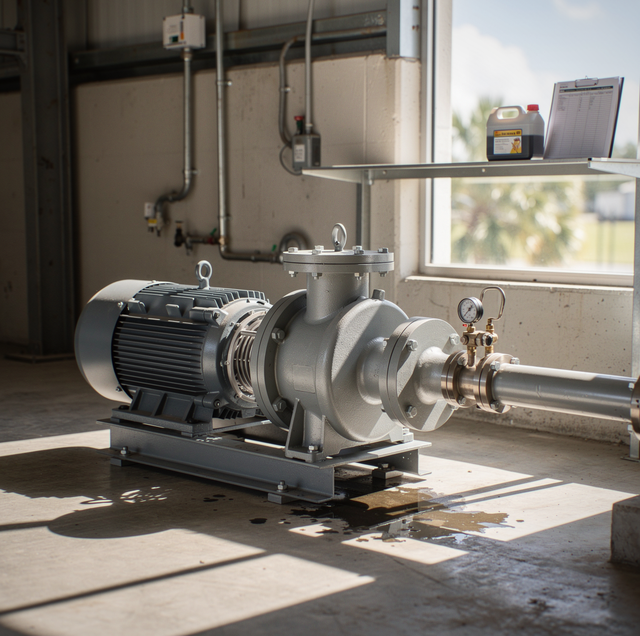
Pumps play an essential role in moving liquids throughout residential, commercial, industrial, and municipal systems. They support irrigation, water supply, HVAC circulation, wastewater transport, manufacturing processes, and countless other applications. Because they operate continuously or for long periods, pumps consume a significant amount of electricity. Improving pump energy efficiency is one of the most practical ways to reduce operational costs, increase equipment longevity, improve system reliability, and support sustainable resource usage. Small efficiency improvements can lead to dramatic long-term savings, especially in systems where pumps run daily.
Understanding how pumps consume energy requires evaluating the pump, the motor, the piping system, and environmental conditions. Pump energy efficiency depends on how closely the pump operates to its best efficiency point, how well the system matches the pump’s performance curve, and whether the mechanical components remain in good condition. Professional evaluation and system optimization help ensure that energy is not wasted through oversized equipment, poor flow control, worn components, or excessive friction.
The following guide outlines practical, professional strategies to improve pump energy efficiency. It is designed from the perspective of pump service providers who regularly troubleshoot, install, and maintain pump systems across a variety of industries.
Don’t Oversize the Pump
One of the most common causes of energy waste in pumping systems is oversizing. Many centrifugal pumps and rotodynamic pumps are designed or selected with extra capacity to account for unknown factors or potential future needs. While this approach may seem cautious, it often results in the pump operating far away from its best efficiency point. When the pump is oversized, it produces more flow or pressure than the system needs, forcing the motor to consume unnecessary power.
An oversized pump can generate excessive vibration, noise, and turbulent flow. It can also shorten the lifespan of seals, bearings, and impellers. Oversizing creates inefficiencies because the pump has to compensate for the mismatched demand constantly. Professionals review pump performance curves, system requirements, and real-time operating data to determine whether the pump is properly sized. Selecting a pump that operates near its optimal efficiency point ensures lower energy use, smoother operation, and longer service life.
Sizing becomes more critical in facilities with multiple usage points, seasonal fluctuations, or varying flow demands. For example, irrigation pumps used in agricultural regions may require different performance levels depending on the season. Commercial buildings may experience fluctuations based on occupancy. A properly sized pump ensures that the system performs well under all expected conditions without wasting energy.
Use Variable Frequency Drives
Variable Frequency Drives are valuable tools that improve pump energy efficiency by adjusting the speed of the motor to match system needs. Instead of running the pump at full speed all the time, a VFD reduces the motor’s rotational speed when demand is low and increases it when needed. This dynamic control prevents unnecessary power consumption during periods of reduced demand.
A VFD helps in two primary situations. In the case of an oversized pump, slowing the motor prevents excessive flow and pressure, protecting both the pump and the system. The VFD also manages situations with fluctuating duty demands, such as irrigation cycles, industrial process changes, or varying municipal usage. When the system requires higher output, the pump increases speed seamlessly. When demand decreases, speed reduces without causing hydraulic shock or system instability.
Although VFDs require a higher initial investment, the energy savings typically provide a strong return. Lower operating speeds reduce wear on bearings and seals, decrease heat production, and extend the life of both the pump and the motor. Many regions also offer incentives or rebates for installing energy-efficient upgrades, making VFDs even more appealing.
Use Parallel Pumping Systems
In systems with wide flow variability, using parallel pumping systems can significantly increase pump energy efficiency. When a single pump operates far from its best efficiency point to meet peak demand, it consumes more energy than necessary. Instead of relying on one large pump, professionals often install a smaller pump alongside the existing one.
The smaller pump handles normal or average demand, operating close to its optimal efficiency point. The larger pump steps in only when peak flows are required. This arrangement reduces the amount of time the large pump must operate at inefficient conditions. Parallel pumping also provides redundancy, improving system reliability.
This strategy is commonly used in commercial buildings, wastewater systems, and industrial operations where flow demands vary throughout the day. Parallel systems offer flexibility, reduce mechanical stress, and improve long-term performance. When configured professionally, they also help extend the lifespan of the larger pump by reducing overall workload.
Limit Pressure Loss in the Pipework
Pressure loss within the piping system has a direct effect on pump energy efficiency. When frictional losses are high, the pump must work harder to achieve the desired flow and pressure. Limiting pressure loss helps the pump perform more efficiently and reduces overall energy consumption.
Several factors contribute to pressure loss: internal pipe diameter, pipe material, number of bends, presence of valves or fittings, internal surface roughness, and pipe length. A poorly designed pipe layout with numerous expansions, contractions, or sharp turns increases turbulence and reduces pump performance.
When designing or upgrading pipework, professionals aim to minimize unnecessary bends and maintain a consistent pipe diameter. Straight runs are preferred where possible, and gradual transitions are used instead of abrupt changes. Although space constraints sometimes limit design choices, optimizing the layout improves efficiency and reduces wear on the pump.
In older buildings or industrial systems, professionals may also recommend replacing rough or corroded pipes that increase friction. Even small reductions in friction translate into measurable energy savings over time.
Monitor Pump Performance
Regular monitoring is essential for maintaining pump energy efficiency. Monitoring helps detect early signs of wear, blockages, misalignment, or system anomalies. Professionals use gauges on both the suction and discharge sides of the pump to check performance. Low discharge pressure, for example, may indicate internal component wear or flow restrictions.
Changes in noise, vibration, or temperature also provide clues about efficiency problems. A sudden increase in vibration may signal an impeller imbalance or bearing issues. A drop in flow rate could point to partial blockages or suction problems. Monitoring enables professionals to intervene early, preventing minor inefficiencies from becoming major failures.
Smart monitoring systems are becoming increasingly common; they track motor load, pump speed, vibration, and pressure in real time. They provide alerts for abnormal conditions, enabling proactive maintenance and reducing downtime.
Invest in Professional Maintenance
Professional maintenance is one of the most reliable ways to maintain and improve pump energy efficiency. During maintenance visits, technicians inspect pump components, verify alignment, lubricate bearings, clean internal surfaces, replace worn parts, and review system performance. These steps help maintain optimal efficiency and reduce energy waste.
Maintenance also ensures that the pump continues to operate within acceptable tolerances. Checking seals, bearings, impellers, and casings helps prevent failures that decrease efficiency. Technicians also evaluate motor health, electrical connections, and control settings.
In the case of businesses and industrial facilities, preventive maintenance agreements help ensure consistent monitoring and predictable service schedules. Facilities with high water usage or multiple pumps benefit significantly from regular professional care. In regions where environmental factors such as sediment, mineral content, or temperature fluctuations affect pump performance, maintenance becomes even more important.
Professionals also help determine whether a pump should be repaired or replaced. Older pumps may consume more energy, even when operating correctly. Upgrading to modern, high-efficiency models can produce long-term savings.
Regional and Environmental Factors
Local water quality, climate, and elevation directly affect pump energy efficiency. For example, areas with hard water may experience scale buildup inside pumps and pipes, leading to reduced performance. Regions with extreme temperatures may stress pump motors or influence lubrication requirements. High-elevation locations usually require pumps to deliver greater pressure, increasing energy usage.
Professionals consider these environmental factors when designing or upgrading pump systems. Customized solutions help ensure that pumps operate efficiently under local conditions.
Long-Term Benefits of Pump Energy Efficiency
Improving pump energy efficiency provides benefits that go beyond energy cost savings. Efficient pumps experience less mechanical stress, produce fewer temperature spikes, and require fewer repairs. It extends equipment lifespan and contributes to overall reliability.
Businesses with optimized pump systems also benefit from reduced downtime, better performance in industrial processes, and improved environmental responsibility. Homeowners gain from lower utility bills and more reliable water distribution.