Revealing Earth’s Hidden Groundwater via Wells
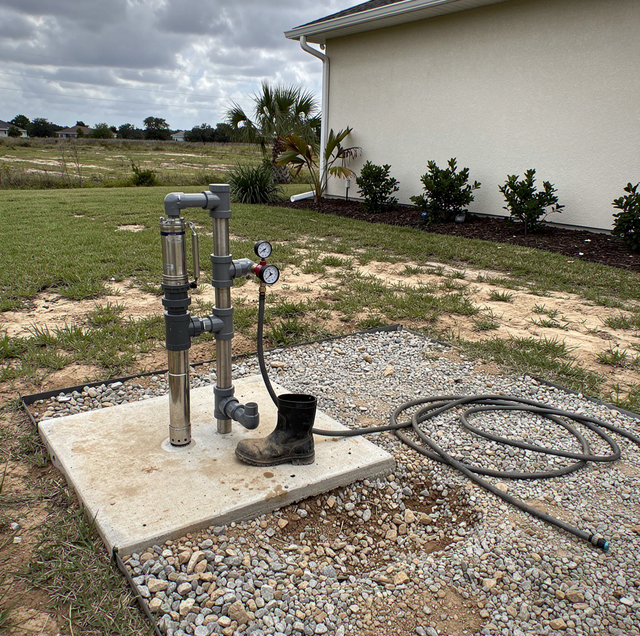
Deep beneath the earth’s surface lies an enormous reservoir of life-sustaining water known as groundwater. Although it accounts for a significant share of the planet’s accessible fresh water, this resource remains unseen, quiet, and largely misunderstood by many people who depend on it every day. Unlike lakes, rivers, and streams, groundwater does not shimmer in the sunlight or flow across landscapes. Instead, it moves silently through rock layers, soil formations, and ancient geological structures, forming one of the most important natural systems supporting human life, agriculture, and ecosystems. Modern wells allow us to reach this hidden groundwater, specifically designed to uncover and extract these underground reserves responsibly and efficiently.
Understanding groundwater and the well systems that access it is more important than ever. Communities facing drought, agricultural regions balancing irrigation needs, and households relying on private wells all depend on reliable access to this subsurface resource. By studying groundwater, drilling modern wells, and maintaining these systems properly, professional water service providers help protect long-term supply, ensure water quality, and support sustainable use of a resource that is far more complex than its hidden nature suggests.
Understanding Groundwater
Groundwater is the water stored within the cracks, pores, and gaps in soil, sand, gravel, and rock beneath the earth’s surface. It originates from precipitation such as rainfall and snowmelt. When water reaches the ground, some evaporates, some runs off into rivers and streams, and the rest slowly infiltrates the soil. Over time, infiltrated water continues downward until it reaches geological layers that can store or transmit water. These layers are called aquifers.
Aquifers vary widely across regions. Some are composed of coarse sand and gravel that allow water to move freely. Others exist within fractured rock formations where groundwater flows through joints, crevices, and ancient structural pathways. Some aquifers are shallow and quickly replenished by local rainfall, while others are deep, confined layers that hold ancient water deposited thousands of years ago.
Because groundwater is hidden underground, it behaves differently from surface water. It moves slowly, often only a few feet per day. It is naturally filtered as it travels through layers of soil and stone, which helps improve its clarity and quality. Groundwater temperature remains stable year-round, making it ideal for certain heating and cooling applications. Its availability depends on geology, climate patterns, land use, and how much water is withdrawn.
Professionals who work with wells and groundwater analyze these characteristics to determine where water is located, how accessible it is, and what conditions may affect water quality or supply.
The Role of Wells
Wells serve as the essential link between the surface world and the hidden groundwater via wells that draw water from aquifers deep below. A well is a drilled or bored opening that creates a controlled pathway to an aquifer. The pathway allows water to be pumped upward for residential, agricultural, commercial, or industrial use.
Wells do not only extract water, they provide insight into the geological structure of an area, the behavior of groundwater flow, and the overall accessibility of an aquifer. Modern well-drilling techniques allow professionals to measure depth, pressure, yield, and water quality, giving property owners a clearer understanding of the subsurface environment. Wells also allow for testing, monitoring, and long-term management of groundwater resources.
When a well is professionally installed, its construction elements are carefully selected to match geological conditions. These may include the casing, screen, pump type, depth placement, and protective seals. Proper construction prevents contamination, improves water flow, and ensures stable performance. Professionals evaluate the aquifer’s depth, expected yield, surrounding land conditions, and the long-term sustainability of the water source.
Wells have supported communities for centuries, but today’s well systems incorporate more advanced science, engineering, and environmental considerations to ensure responsible use of a resource.
Importance of Groundwater Today
Groundwater plays a vital role in the world’s water supply and supports countless daily needs. In many regions, groundwater serves as the primary source of drinking water. For agricultural operations, groundwater provides the steady water needed to irrigate crops in climates with unpredictable rainfall. For ecosystems, groundwater helps support wetlands, rivers, springs, and aquatic habitats during dry periods.
As climate patterns shift, drought becomes more common, and populations grow, groundwater has become increasingly important. Many surface water sources are strained by extreme weather, evaporation, or overuse. Groundwater often remains more resilient because it is naturally protected beneath layers of soil and rock. However, it is not immune to over-extraction. Aquifers can decline when water is pumped out faster than it is replenished.
Wells give communities a dependable way to reach this resource, but they also highlight the need for responsible management. Professional well services help property owners understand how groundwater levels change throughout the year, how pumping impacts local aquifers, and what steps can be taken to preserve the supply. Regular well maintenance, water testing, and monitoring support long-term reliability.
For regions experiencing water scarcity, hidden groundwater via wells can be the difference between a stable supply and seasonal shortages. Access to groundwater is not just a practical benefit; it is a crucial element in sustaining public health, food production, and environmental resilience.
Why Professional Well Services Matter
Accessing groundwater through wells requires precision, expertise, and a strong understanding of local geology. Professional well service providers handle tasks such as drilling, pump selection, installation, water testing, system maintenance, and troubleshooting. These services ensure that wells operate safely, efficiently, and sustainably.
Professionals evaluate numerous factors before drilling a well such as: the depth of the aquifer, local hydrology, soil stability, rock hardness, potential contamination pathways, and anticipated water demand. These factors influence whether the well will access shallow or deep groundwater, how long the well casing needs to be, and what type of pump should be used.
Professional services also address environmental responsibilities. Properly sealed wells prevent contaminants from surface runoff from entering the aquifer. Regular inspections help detect declining performance, bacterial intrusion, mineral buildup, or pump wear. Water quality testing identifies changes in pH, hardness, mineral content, or contaminants that may affect health or property.
In addition to improving well function, professionals help property owners understand how their well interacts with the larger groundwater system. This knowledge supports responsible use, promotes long-term aquifer stability, and contributes to community-wide water resilience.
Wells as Gateways to Subsurface Knowledge
Wells are more than water access points. They are observational tools that allow specialists to study groundwater behavior, aquifer recharge, seasonal variations, and geological characteristics. Data gathered from wells help scientists and water managers understand groundwater’s movement, availability, and quality.
For example, groundwater specialists monitor changes in water levels to determine how fast aquifers recharge after rainfall. They measure flow rates to evaluate aquifer productivity and test water chemistry to understand mineral interactions and potential contaminants. Such findings help guide decisions about land development, agricultural irrigation, environmental conservation, and water distribution planning.
Because wells provide direct access to aquifers, they help reveal patterns that would otherwise remain hidden underground. These insights guide sustainable use of groundwater and ensure that communities have the information needed to protect this valuable resource.
Groundwater and Regional Considerations
Groundwater availability varies enormously from one region to another. Climate conditions, topography, rainfall patterns, and soil composition all influence how much water reaches aquifers and how quickly they recharge. In some areas, groundwater is abundant and easily accessible. In others, wells must reach deep aquifers formed thousands of years ago.
Some regions experience seasonal fluctuations in groundwater levels, especially where heavy rainfall alternates with dry summers. Coastal regions may face risks of saltwater intrusion into freshwater aquifers. Agricultural regions may depend heavily on groundwater for crop irrigation, creating periods of high demand. Rural areas often rely exclusively on wells for water supply.
Professional well service providers consider these regional variables when planning well installations or maintenance. Their understanding of local geology and hydrology helps ensure that wells deliver safe, stable water over the long term.
Wells and Future Water Security
As pressures on global water supplies increase, groundwater accessed through wells will continue to play a major role in water security. Communities that invest in sustainable well systems, careful groundwater monitoring, and regular maintenance place themselves in a stronger position to manage future challenges. Wells help diversify water sources, support agricultural production, and provide stability during droughts.
Hidden groundwater via wells offers reliability in times when surface water becomes scarce. Because groundwater is naturally filtered and protected, it remains one of the most dependable sources of fresh water available. Maintaining this resource responsibly is essential for future generations.
Our Commitment to Responsible Groundwater Access
Our company is dedicated to providing eco-friendly, efficient, and durable solutions for accessing and managing groundwater through professionally installed and maintained wells. We help property owners understand groundwater conditions, select appropriate well systems, and maintain their equipment to protect both water quality and long-term supply. Our approach supports responsible groundwater use and ensures that wells continue to provide safe, dependable access to hidden subsurface water.
As a trusted quality well service with over three decades of experience, Pump Repair Services understand how to install and repair well pumps in Orlando. Our trained and certified technicians specialize in well pump repair, transfer pump repair, irrigation pump repair, and centrifugal pump repair. We can meticulously handle all pump-related issues. Call us for the best service experience.