Keeping Your Well Pump in the Clear
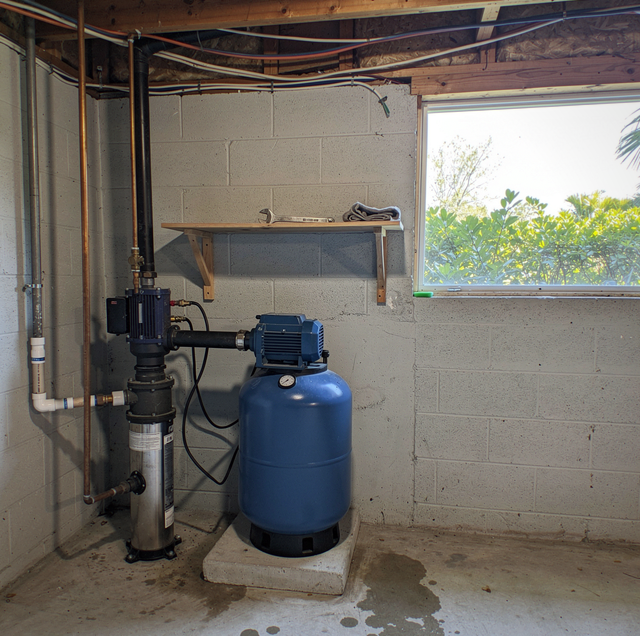
Water well screening is one of the most essential parts of a well system. A properly selected and installed screen protects the well pump, guides groundwater into the system, controls sediment movement, and supports long-term performance. As professional well service providers, we understand how important the screen’s design, installation, and condition are for the health of the entire well. When screens function properly, they help the pump run smoothly, reduce maintenance costs, and ensure a stable supply of clean water. Learning more about how screening works helps property owners make better decisions about well construction, rehabilitation, and pump service.
Why Water Well Screening Matters
A water well screen serves as the filter between the aquifer and the well. It allows groundwater to pass through while blocking sand, silt, and other sediment from entering the system. Without a proper screen, sediment would accumulate inside the casing and reach the pump. This creates abrasive conditions that wear down pump components and reduce efficiency. Sediment can clog plumbing, create cloudy water, and damage valves and fixtures.
A well pump depends on consistent water flow. Screens promote that flow by presenting a controlled entry point that matches the natural characteristics of the surrounding soil or rock. When screens are designed correctly, groundwater enters smoothly, and the pump receives a steady supply of clean water. When screens are damaged or poorly matched to the formation, water movement slows, sediment increases, and the pump works harder than necessary. Understanding what makes a screen effective helps ensure the entire well system remains healthy.
How a Well Screen Functions
A well screen is installed at the section of the casing where groundwater enters the well. The screen’s openings, or slots, allow water to pass while limiting sediment movement. The size and pattern of these slots are determined by the formation around the well. Sand, gravel, silt, and clay all behave differently underground. Selecting the proper slot size allows groundwater to pass freely while providing enough resistance to stabilize the surrounding formation.
Once the screen is installed, it helps maintain the open space that water needs to move into the well. It prevents the collapse of loose soil and supports uniform water flow. The screen distributes the pumping stress across the formation, ensuring the well produces water evenly. When screens are built from corrosion-resistant materials, they provide decades of service with little degradation.
Materials Commonly Used for Well Screens
Many well screens are made from stainless steel because it resists corrosion, supports high flow rates, and performs well in a wide range of groundwater environments. Stainless steel screens often include precisely machined slots that match the formation characteristics. This precision reduces clogging and enhances water movement.
Some screens are made from PVC. These screens are lightweight, corrosion-resistant, and suitable for specific environments. They are commonly used in shallow wells or areas where chemical corrosion is minimal. Professional evaluation helps determine which material best matches local conditions.
Wire-wrapped screens are also popular. They feature a continuous wire wrapped around a framework to create uniform slots. This design improves structural strength and increases open area, enhancing flow and reducing load on the well pump.
How Screening Supports the Well Pump
A well pump relies on a clean and consistent flow of water. Sediment entering the system reduces pump performance, increases friction, and causes wear. Well screens limit the amount of abrasive material that enters the pump. This protects impellers, bearings, seals, and other internal components.
Screens also help maintain hydraulic efficiency. When groundwater enters evenly around the screen, the pump does not struggle to draw water from uneven or restricted flow zones. Uniform water entry helps stabilize pressure and improve pump life.
When a pump draws water from a well with a clogged, corroded, or undersized screen, it may cycle too frequently, lose pressure, or operate under strain. These conditions increase electrical costs and shorten pump lifespan. Proper screening directly reduces these risks.
Water Flow and Formation Stability
Groundwater movement depends on the type of soil or rock that surrounds the well. A correct screen helps control this movement. In sandy formations, the screen prevents destabilization while still allowing adequate flow. In gravel formations, a different slot size may be required to prevent migration of smaller particles.
Formation stability influences how long a well continues to perform at a consistent rate. Without proper stability, the surrounding soil can shift. This may reduce available water or cause the screen to clog. Using the correct screen design increases the likelihood of long-term stability and strong water production.
Selecting the Right Screen for Regional Conditions
Local geology plays a significant role in screen selection. Areas with coarse sand require different slot sizes than areas with fine silt. Hard-water regions may require screens made of chemical-resistant materials. Wells drilled in rocky formations may require stronger structural support.
Understanding regional conditions also helps determine how deep the screen should be installed and what type of development method should be used to prepare the well for pumping. Proper design takes into account sediment size, permeability, groundwater depth, and pumping demand.
As service providers, we consider all these factors before recommending a specific screen. This ensures that the well pump receives clean water and the system performs as expected.
Installation and Development of the Screen
Proper installation is essential for long-term function. A screen must be placed at the correct depth and centered within the formation. Once installed, the well is developed. Development involves removing fine material around the screen through pumping or other methods. This helps create a more permeable zone around the screen that enhances flow.
If development is not performed, the screen may clog or become surrounded by compacted material that restricts flow. Professional installation and development ensure that the well is ready for service and that the pump receives clean, unrestricted water.
Maintaining a Well Screen Over Time
Even high-quality screens require ongoing monitoring. Mineral buildup, biofilm, and sediment accumulation can reduce open area and restrict flow. A restricted screen forces the pump to work harder. Routine inspections help identify changes in water production or sediment levels that indicate a developing problem.
Cleaning methods such as mechanical brushing, airlifting, or chemical treatment may be used depending on the nature of the blockage. Professional evaluation is essential before selecting a cleaning method. Using an incorrect approach can damage the screen or introduce contaminants into the well.
When a Well Screen Needs Repair or Replacement
Screens can fail from corrosion, collapse, clogging, or physical damage. Reduced water pressure, increased sediment in the water supply, or frequent pump cycling are signs that the screen may require attention.
Replacing or repairing a screen requires specialized equipment and expertise. The process often involves cleaning, rehabilitating the formation, or, in some cases, installing a new screen section. Professional guidance ensures the correct solution is chosen and that pump protection is restored.
Well Screening and Water Quality
The screen is the first line of defense for maintaining water quality. By preventing sediment entry, the screen reduces the chance of bacterial growth or contamination. Sediment can create hiding places for microorganisms and reduce sanitation effectiveness.
In some regions, the chemical composition of the water influences screen performance. High iron levels may cause mineral buildup. Areas with organic material may require specific cleaning methods. Understanding local water quality conditions helps determine the best maintenance schedule.
How Screening Supports Pump Longevity
Well pumps are expensive to replace, and preserving their lifespan is a priority for property owners. A proper screen keeps abrasive materials out of the pump, reduces strain, and helps maintain good hydraulic conditions. Pumps operating in screened wells generally last longer and require fewer repairs.
A well pump running with a damaged or clogged screen is at risk of overheating, cavitation, and mechanical wear. Screening directly affects pump reliability, making this component as important as the pump itself.