Considerations Before Purchasing a New Transfer Pump
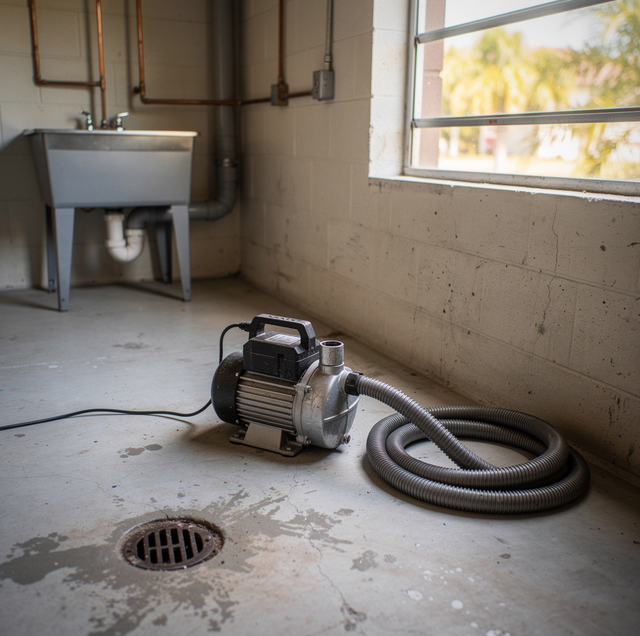
Purchasing a new transfer pump involves more than simply choosing a model that appears powerful or affordable. A transfer pump plays a vital role in residential, commercial, agricultural, and industrial environments, and the right choice affects efficiency, safety, durability, and long-term performance. As professional pump specialists, we help clients choose equipment suited to their specific needs, and that process begins by understanding what factors matter most.
A transfer pump must be selected based on the liquid being moved, the distance it must travel, the operating environment, and the reliability expected from the system. Exploring these considerations helps ensure that your investment provides dependable performance for years to come.
Why Choosing the Correct Transfer Pump Matters
A transfer pump moves liquid from one location to another. It may be used to drain a flooded basement, fill or empty tanks, transfer irrigation water, support commercial cleaning, or relocate water on industrial sites. Selecting the wrong pump often leads to performance issues, unnecessary repairs, energy waste, or premature failure. Pumps are built to handle specific fluids, flow rates, and pressure requirements.
Using a pump outside its recommended range places extra stress on the motor and internal components. Taking time to evaluate your needs with the help of a professional prevents costly mistakes and ensures that your pump delivers the performance you expect.
Many property owners underestimate the importance of pump selection. They focus on horsepower or cost without considering flow capacity, suction lift, discharge pressure, or the physical characteristics of the liquid. A strong pump is not always the correct pump. Efficiency and suitability matter just as much as power. A truly effective system matches the pump to the task, the environment, and the user’s expectations.
Understanding the Different Types of Transfer Pumps
Transfer pumps come in a variety of designs, and choosing the right one starts with understanding what each type offers. Centrifugal transfer pumps use spinning impellers to move water and are ideal for clean liquids. Portable electric transfer pumps provide mobility and convenience and are often used in homes for occasional projects. Gas-powered pumps provide strong, independent performance outdoors or in remote locations. Diaphragm pumps can handle thicker liquids and small solids because they do not rely on impellers that can clog.
Multi-purpose pumps support a wide range of light to medium-duty tasks.
Each type of pump has strengths and limitations. When choosing a pump, consider what your application demands. If the liquid contains debris, a clean water pump will not perform well. If the pump must run continuously for long periods, a high-duty-cycle model is necessary. When used in commercial settings, pumps may be exposed to chemicals, heat, or heavy use. In these situations, a specialty pump built for more challenging conditions may be required. Understanding these differences helps narrow your choices and makes your decision more confident.
Assessing Liquid Characteristics Before Purchase
The composition of the liquid plays an important role when selecting a transfer pump. Pumps designed for clean water may not handle sediment, sludge, or chemicals. Even small amounts of debris can reduce performance. Sediment can cause abrasion or clog the impeller, and chemicals can damage seals or internal components. A professional evaluation determines whether the liquid requires corrosion-resistant materials, sealed bearings, or a diaphragm design.
Viscosity also affects pump performance. Thicker fluids move more slowly and require greater suction force. Pumps used for oil or fuel, for example, must be specifically rated for those liquids. Water transfer pumps should never be used for flammable liquids or chemicals. Using an inappropriate pump can lead to dangerous situations. Before buying a pump, consider not only what liquid you intend to move but how that liquid may affect the equipment over time.
Evaluating Flow Rate and Lift Requirements
Flow rate describes how much liquid the pump can move in a given period, and lift requirements describe how far the pump must lift or push the liquid. Understanding both helps determine whether the pump can meet the needs of the project. If you must move water uphill or across long distances, a pump with higher pressure capability is necessary. If the application requires large volumes of water quickly, a pump with a higher flow rate is appropriate.
A pump that cannot meet lift demands will experience reduced flow or may fail to operate at all. Conversely, purchasing a pump with excessive lift or pressure capacity may result in wasted energy and unnecessary wear. Professional assessment helps determine the correct specifications. We evaluate total dynamic head, suction conditions, and discharge needs before recommending equipment. Careful matching ensures reliable, cost-effective operation.
Power Source Considerations
Transfer pumps run on electricity, gasoline, or diesel, depending on the environment and intended use. Electric pumps provide quiet, efficient, and reliable operation indoors or in residential settings. They require a stable power supply and are best suited for tasks near electrical outlets.
Gas-powered pumps provide strong performance outdoors and in remote areas. They do not require an electrical connection, making them suitable for agricultural or commercial sites that require mobility.
Diesel-powered pumps are often used in industrial or heavy-duty environments because they deliver consistent performance under demanding conditions.
Selecting the correct power source depends on the location, climate, and operating cycle. Professionals help determine which system provides the best combination of reliability, cost, and performance.
Considering Hose Size and System Layout
Pumps depend on hoses and connections that support efficient water movement. The diameter and length of the hose, as well as the number of bends, influence performance. Narrow hoses restrict flow and increase back pressure, while long hoses reduce pressure and require more pump power to maintain performance. Hoses must be compatible with the pressure and flow capabilities of the pump.
The system layout affects pump performance. Sharp bends decrease flow. Unsupported hoses can collapse under suction. Improper discharge placement can cause water to flow back into the pump. Evaluating the layout before purchasing equipment helps avoid obstacles that limit performance.
Importance of Priming and System Setup
Many transfer pumps require priming before use. Priming draws liquid into the pump housing so the system can begin moving liquid. Pumps that need priming cannot operate dry, even briefly, without risk of damage. Some pumps are self-priming, which makes operation easier for users.
Understanding priming requirements helps prevent equipment failure. Professional technicians explain setup steps, test the system, and confirm that priming is complete before operation. Proper setup significantly extends pump life and improves performance.
Local and Regional Conditions That Affect Pump Choice
Geography affects the proper functioning of a transfer pump. Homes in regions with frequent heavy rainfall may rely on pumps for drainage. Rural areas may require pumps to operate without easy access to electricity. Coastal locations may expose pumps to salty air, which increases the risk of corrosion. Agricultural regions may require pumps capable of moving water with sediment or debris. Climate also affects equipment; cold temperatures require pumps that can be protected from freezing. Hot, dry regions require pumps with strong thermal protection.
Understanding local conditions helps in selecting equipment that is suitable for the environment. Professionals evaluate soil type, water source location, elevation changes, and site conditions to recommend durable and reliable systems.
Professional Installation and Maintenance
A transfer pump performs best when installed and maintained by trained technicians. Proper installation includes secure placement, correct hose selection, and testing for leaks or obstructions. Professionals inspect electrical safety, verify the correct power supply, and ensure that the pump operates within safe limits.
Routine maintenance includes inspecting the impeller, motor, seals, hoses, and electrical connections. Cleaning sediment, replacing worn components, and evaluating performance prevent breakdowns and maintain efficiency. Professional service identifies issues early, reducing repair costs and extending equipment life.
Signs You Need a New Transfer Pump
Pumps begin to show signs of wear as they age. Reduced flow, noisy operation, overheating, slow priming, or difficulty starting are common symptoms. Leaking seals, corroded parts, or damaged hoses also indicate that replacement may be necessary. If your pump fails to maintain performance or struggles under normal load, a new pump may provide better efficiency and reliability.
Consulting a professional helps determine whether repair or replacement is the best option. Our evaluations include performance testing, inspection of components, and assessment of long-term operating costs. Replacing an aging pump at the right time helps avoid costly downtime.
Conclusion
Purchasing a new transfer pump requires careful evaluation. Liquid characteristics, flow requirements, lift requirements, power sources, and system layout all play important roles. Considering these factors before purchasing improves pump efficiency, reduces potential risks, and ensures better long-term performance.
With professional guidance, it becomes easier to select a pump that meets your needs while providing reliable operation in your environment. Whether managing a residence, farm, commercial facility, or industrial site, selecting the right transfer pump protects your investment and ensures safe and efficient liquid transport for many years to come.
Pump Repair Services provides residential and commercial well pump repair, transfer pump repair, and custom water treatment system services in the Orlando area. (Sorry, no pool pumps or sewer pumps.) We offer 24-hour emergency service. Call us to learn more.