Addressing Flow Interruptions in Transfer Pump Systems
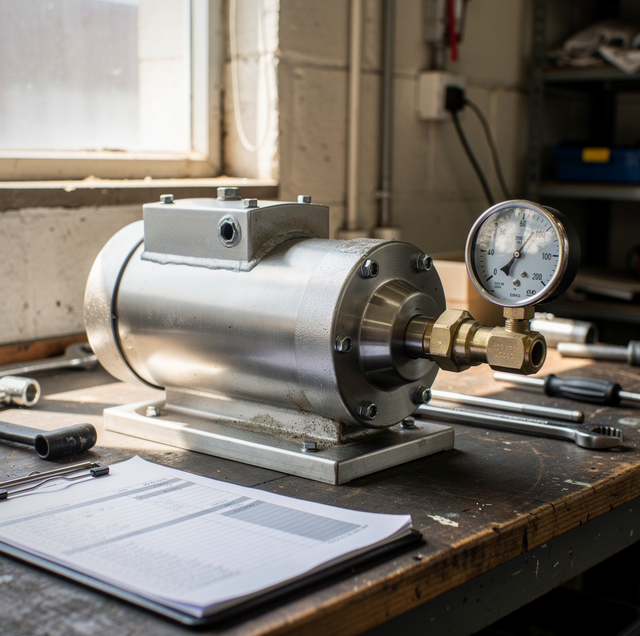
When a transfer pump system decides to throw a tantrum in the middle of a job, you can practically hear the collective sigh of everyone involved. A reliable pump should be like a good road trip playlist—steady, reliable, and free of surprises. But when flow interruptions occur, the disruption can lead to delays, equipment wear, and a fair bit of teeth grinding.
Diagnosing and addressing these flow hiccups isn’t just about swapping out parts and hoping for the best. It calls for a clear-eyed look at what the system is saying—because believe it or not, pumps have a language of their own.
Recognizing The Symptoms Of Flow Disruption
Transfer pumps aren’t shy when they’re having issues. They sputter, pulse, slow to a crawl, or just throw in the towel entirely. The most obvious clue is inconsistent fluid movement—sometimes blasting out like a firehose, then suddenly fizzling like a soda left open overnight.
Some pumps make a whole symphony of odd sounds: whining, rattling, and gurgling can all point toward a problem. Then there’s the pressure gauge, often treated like background decor, suddenly swinging like it’s auditioning for a circus act. Those wild readings? That’s a red flag waving frantically.
Frequent cycling, overheating, or sudden loss of suction pressure shouldn’t be chalked up to “just one of those days.” These are pump distress signals, and they deserve some professional attention before they spiral into major repairs—or worse, full replacement.
Understanding The Common Causes
Flow interruptions rarely happen in a vacuum (unless, of course, your pump actually uses vacuum pressure, but that’s another story). There are usually a few usual suspects behind the scenes, and knowing what to watch for can make a big difference.
Clogged filters or strainers rank near the top of the list. They’re like a barista forgetting to clean the espresso machine—things don’t flow smoothly, and everything tastes off. When filters become blocked with debris, sediment, or buildup, the pump has to work harder to maintain pressure, and that extra strain wears it down.
Air entrainment is another classic culprit. When air sneaks into the system, it disrupts fluid flow, causing cavitation and pressure dips. It’s like trying to sip a milkshake through a straw full of holes—frustrating and ultimately ineffective.
Then there are the valves. Stuck, misaligned, or malfunctioning valves can behave like rebellious traffic lights, stopping flow when things should be moving. Leaky seals, cracked pipes, and inconsistent power supply round out the top suspects, each contributing its own flavor of chaos.
Why Transfer Pump Repair Is No Time For Guesswork
It’s tempting to think that swapping out a part or two might set things right. But in the world of professional pump services, educated guesswork just doesn’t cut it. Flow interruptions might seem like a surface issue, but more often than not, they’re the result of a deeper mechanical imbalance.
A transfer pump that’s been limping along with worn impellers or misaligned couplings might keep running—for a while. But that wear doesn’t fix itself. Over time, small issues compound, leading to system-wide inefficiencies and skyrocketing operational costs.
That’s why transfer pump repair starts with diagnostics, not duct tape. Specialized equipment is used to test flow rate, pressure, and vibration patterns. Once the data’s in hand, the repair plan can be tailored to the specific problem—no guesswork, no Band-Aids.
Maintaining Consistency With Professional Calibration
Flow consistency depends heavily on calibration. Just like a musical instrument that goes out of tune, pumps that drift out of calibration lose their rhythm. The fluid doesn’t move as intended, and before long, flow rates start behaving like an indecisive toddler—fast one second, stalling the next.
Professionals recalibrate pumps using precision tools that monitor flow rates, pressure, and motor output. These aren’t just numbers on a screen—they’re the health stats of your transfer system. Once adjusted, the pump can resume smooth operation without the drama.
In facilities where output consistency is non-negotiable, calibration should be a regular item on the maintenance checklist. It’s not glamorous, but neither is halting production because of a flow failure.
Why Power Supply Shouldn’t Be Ignored
Pumps need steady power like humans need coffee: often, consistently, and without unexpected interruptions. Voltage fluctuations and irregular amperage can wreak havoc on performance, especially in systems operating under high demand.
Low voltage might prevent the motor from achieving full torque, leading to sluggish or erratic flow. High voltage, on the other hand, can overheat internal components and fry electrical controls faster than a marshmallow in a bonfire.
That’s why transfer pump repair professionals always inspect the power supply and electrical systems during diagnostics. Without stable electrical input, even a perfectly maintained pump can behave like it’s haunted.
The Role Of System Design In Flow Reliability
Sometimes the pump isn’t to blame at all—it’s the system design that’s doing the sabotaging. Undersized piping, poor placement of valves, or tight bends in the layout can create turbulence and backpressure, strangling the pump’s ability to perform.
Fluid dynamics is a fickle partner. What looks efficient on paper might create pockets of resistance in reality. When fluid is forced through bottlenecks or twisted routing, it fights the system instead of flowing with it.
Professionals can conduct a full system review to identify design flaws and recommend adjustments. That might mean resizing some piping, relocating pressure sensors, or even installing flow-stabilizing components. A well-designed system doesn’t just support the pump—it amplifies its efficiency.
Preventing Future Interruptions With Routine Maintenance
If transfer pumps had a love language, it would be routine maintenance. They respond well to attention, lubrication, inspection, and a little quality time. That doesn’t mean checking in when a catastrophe strikes—it means setting up regular service intervals.
Professionals can inspect impellers, clean filters, test motor bearings, and validate the performance of seals and fittings. A few hours of proactive care can prevent days (or weeks) of unplanned downtime.
Keeping a maintenance log can also reveal performance trends over time. If flow starts to decline consistently, or if the system becomes unusually noisy, those patterns can be used to catch problems early—before they earn their own line item in the budget.
When Replacement Beats Repair
Sometimes, even with all the TLC in the world, a transfer pump system just runs out of road. Maybe it’s been patched up too many times, or maybe its capacity no longer meets demand. At a certain point, continuing repairs becomes the equivalent of taping together an old garden hose and calling it a fire hydrant.
When flow interruptions keep happening despite recent repairs, it may be time to evaluate the return on investment. A new system, properly sized and professionally installed, can pay off in reliability, energy efficiency, and peace of mind.
Making that call isn’t easy, but professionals bring data to the table—performance logs, repair histories, cost comparisons. It’s not just about tossing out the old model; it’s about stepping up to a system that’s up for the job.
The Bottom Line Of Keeping the Flow Smooth
Transfer pumps are the unsung heroes of many operations, silently doing the heavy lifting while everything else moves forward. When flow interruptions rear their head, they’re not just a nuisance—they’re a signal. Something in the system isn’t pulling its weight, and it’s time for a professional to step in.
A smooth, reliable flow doesn’t come from luck or guesswork. It comes from understanding the system, listening to its signals, and knowing when to repair, calibrate, or replace. And a transfer pump that’s well taken care of? That’s one less thing to worry about in a world full of unpredictable variables.
Pump Repair Services is proud to offer transfer pump repair, irrigation pump repair, centrifugal pump repair, and submersible pump repair services to home and business owners in Orlando and the surrounding areas for over three decades. We maintain a clear line of communication and ensure timely job completion. We also offer pump sales, installation, and service, and are well-equipped to handle a wide variety of pumps. 24-hour emergency services available. Call today to get comprehensive solutions for any well or pump-related issue.